TL;DR
A mattress’s firmness, support, pressure relief, temperature and response to movement can affect comfort during sleep, but no one design suits everyone. A review cited in the source found medium-firm and individually adjusted mattresses were associated with favorable comfort and sleep-quality outcomes in the studies examined; that does not establish a universal best choice.
A paid-partnership article with Sleep Number outlines how mattress firmness, support, sleeping position, pressure relief and temperature can shape comfort at night. It cites a systematic review that found medium-firm and individually adjusted mattresses were associated with favorable comfort and sleep-quality outcomes in the studies examined, but the evidence does not identify one mattress that is best for everyone.

Get wellness gear delivered free with Prime
- Fast, free delivery on millions of items
- Prime Video, Amazon Music and more included
- Member-only deals all year
The source says a mattress that does not suit someone’s body or sleeping position may contribute to discomfort and restlessness. A surface that feels too firm can put pressure on the shoulders or hips, while one that is too soft may allow excessive sinking. Heat retention and movement from a partner can also affect comfort. These points describe possible influences on the sleep environment, not proof that changing a mattress will resolve sleep problems.
Firmness and support are different features: firmness is how soft or hard the mattress feels, while support describes how its construction accommodates a person’s weight and helps maintain a comfortable position. The source frames the choice as a balance between cushioning and stability, with the goal of accommodating the body without allowing unwanted sinking.
Sleeping position offers one starting point. The source suggests that side sleepers may want cushioning at the shoulders and hips; back sleepers may prefer balanced contouring and support; and stomach sleepers may prefer a more stable surface that limits sinking around the midsection. Combination sleepers may value responsiveness, while couples may want to weigh motion isolation and differing firmness preferences. These are general preferences, not rules; body weight, construction and personal comfort can change how a mattress feels.
Choosing a Mattress for Better Sleep
Firmness, support, pressure relief, temperature and movement can shape comfort. No single mattress suits everyone, and changing one is not proven to fix sleep problems.
Start With Your Sleep Position
These are general preferences; body type and personal comfort can change how a mattress feels.
Cushion pressure points
Compare how the mattress cushions your shoulders and hips.
Balance contour and support
Look for a feel that accommodates your body without unwanted sinking.
Limit sinking
A more stable surface may feel comfortable around the midsection.
Consider movement and fit
Compare motion isolation and whether each person can find a suitable feel.
Separate Feel From Support
These features describe different parts of how a mattress responds to your body.
How soft or hard the surface feels.
How construction accommodates weight and body position.
How the surface distributes weight and accommodates body contours.
Compare Design Trade-offs
Material descriptions can frame a comparison, but do not predict your personal fit.
| Design | Source description | What to compare |
|---|---|---|
| Memory foam | Typically contours closely | Pressure relief and sinking |
| Latex | Tends to feel responsive | Ease of position changes |
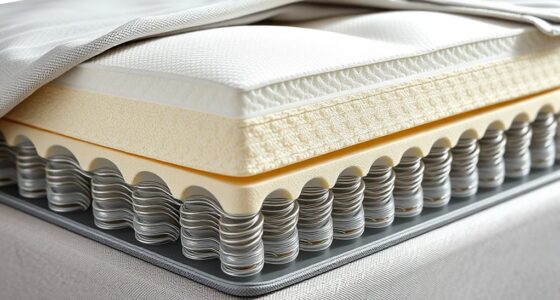
| Hybrids | Pair cushioning layers with springs | Feel and support together |
| Zoned support | Different resistance in different areas | Comfort across body areas |
Comfort Depends on More Than Firmness
Choosing a mattress can matter because discomfort, heat or movement may interrupt a person’s experience in bed. But the source does not establish that a particular mattress can prevent or treat sleep problems. Its practical message is narrower: assess how a mattress feels for your body and usual position rather than treating a firmness label as a guarantee of better rest.
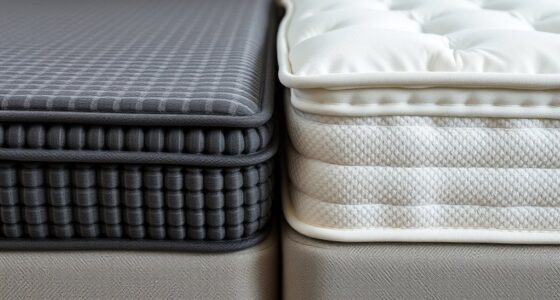
That distinction matters for shoppers comparing products. A mattress described as medium-firm may feel different depending on its materials and a person’s body. Pressure relief also varies: the source says memory foam typically contours closely, latex tends to feel more responsive, and hybrids pair cushioning layers with springs. Some models use zoned support, with different levels of resistance in different areas. These design descriptions can help frame a comparison, but they do not establish which option will suit a particular buyer.
For couples, individual preferences may differ, and movement across the bed can affect comfort. Considering motion isolation and whether each person can find a suitable feel may be more useful than assuming one firmness setting will work equally well for both.
Products Worth Considering

Garmin Forerunner 265 Running Smartwatch 46 mm Black/Powder Gray

Blueair Blue Pure 311i Max Smart Air Purifier

Levoit Core 300S-P Smart Wi-Fi Air Purifier
As an affiliate, we earn on qualifying purchases.
How Mattress Features Differ
The source distinguishes several features that are often grouped together in mattress marketing. Firmness describes the immediate feel; support concerns how the mattress responds to weight and body position. Pressure relief describes how the surface distributes weight and accommodates body contours. The source says sleeping position and body type can influence how much pressure relief feels comfortable.
It also cites a systematic review of mattress studies. In the studies examined, medium-firm and individually adjusted mattresses were associated with favorable comfort and sleep-quality outcomes. The source does not provide the review’s title, publication date, number of studies or size of the effects, so those details cannot be assessed here. The finding is an association reported by the source, not a basis for saying everyone should choose medium-firm.
Temperature and movement are additional considerations in the source’s account. Someone who tends to sleep warm may be dissatisfied with a mattress that retains too much heat, while a partner’s movement may be disruptive. The supplied material does not compare particular brands or provide product-specific performance data.
“There’s no single mattress that’s perfect for everyone.”
— Sleep Number, in the paid-partnership source article
Limits of the Mattress Evidence
The supplied article does not name the systematic review it cites or give its methods, publication date, study count or measured effect sizes. It is therefore not possible from this material to judge how strong or broadly applicable the reported association is. The source also does not establish that a mattress change will improve sleep for a specific person, or that mattress choice alone explains difficulty sleeping.
Product-specific claims remain unverified in the material provided. It offers no comparative testing data for particular mattresses, no measurements of temperature regulation or motion transfer, and no information about trial periods, return terms or prices. Individual comfort also remains subjective: a firmness category or material description cannot predict with certainty how a mattress will feel to each person.
How Shoppers Can Compare Options
The source recommends treating sleeping position as a starting point and testing a mattress in the position normally used for sleep, rather than relying only on an advertised firmness rating. Shoppers can also compare how the surface cushions pressure points, whether it feels supportive without excessive sinking, how easily it allows position changes, and whether heat or partner movement is a concern.
No new study, product announcement or follow-up milestone is identified in the source. A more complete assessment of the cited research would require the review’s citation and details. Until then, the reported findings support considering individual fit, not a blanket recommendation for one firmness or mattress type.
Key Questions
Does the source identify one best mattress firmness?
No. It says a review found medium-firm and individually adjusted mattresses were associated with favorable outcomes in the studies examined, but says body type, sleeping position and personal preference matter.
How are firmness and support different?
Firmness describes how soft or hard a mattress feels. Support describes how its construction accommodates weight and helps maintain a comfortable sleeping position.
What mattress features might side sleepers compare?
The source suggests side sleepers may want cushioning around the shoulders and hips, where pressure can build. This is a general starting point, not a guaranteed fit for every side sleeper.
Can a mattress change fix sleep problems?
The source does not establish that changing a mattress will prevent or treat sleep problems. It describes mattress comfort, heat and movement as factors that may affect the sleep environment.
Source: digitaltrends.com