
To sleep earlier, establish a consistent bedtime routine with calming activities like reading or gentle stretches, and do them in the same order each night. Create a sleep-friendly environment by keeping your room dark, cool, and quiet, and avoid screens before bed. Stick to a regular sleep schedule, even on weekends, and avoid caffeine or vigorous exercise close to bedtime. Keep practicing these habits, and you’ll discover more tips to shift your sleep earlier.

Get wellness gear delivered free with Prime
- Fast, free delivery on millions of items
- Prime Video, Amazon Music and more included
- Member-only deals all year
Key Takeaways
- Establish a consistent bedtime routine with calming activities to signal your body it’s time to sleep.
- Gradually shift your bedtime earlier by 15-minute intervals to reset your internal clock.
- Maintain a regular sleep schedule, even on weekends, to reinforce your body’s sleep-wake cycle.
- Create a sleep-friendly environment: keep the room dark, cool, quiet, and free of screens before bed.
- Limit caffeine, heavy meals, and vigorous exercise close to bedtime to facilitate earlier sleep onset.

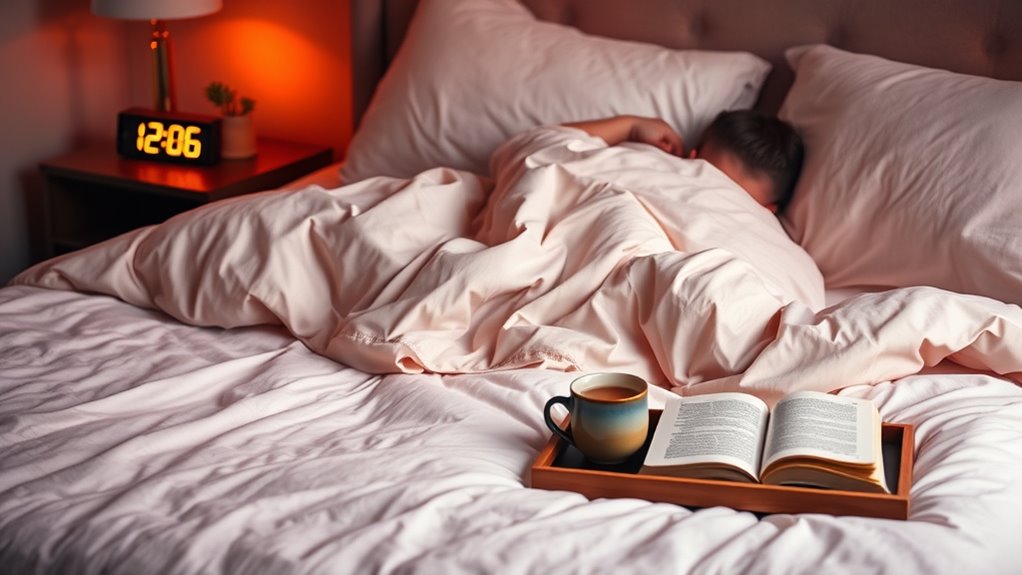
Have you ever wondered why falling asleep earlier feels so challenging? It’s often because your body and mind need the right signals to wind down, and that’s where your bedtime routines and sleep environment come into play. Establishing a consistent bedtime routine helps signal to your brain that it’s time to relax and prepare for sleep. This might include activities like brushing your teeth, reading a book, or practicing gentle stretches. The key is to do these activities in the same order and at the same time every night, which reinforces your body’s internal clock and makes it easier to drift off earlier.
Consistent bedtime routines signal your brain to relax and help you fall asleep earlier.
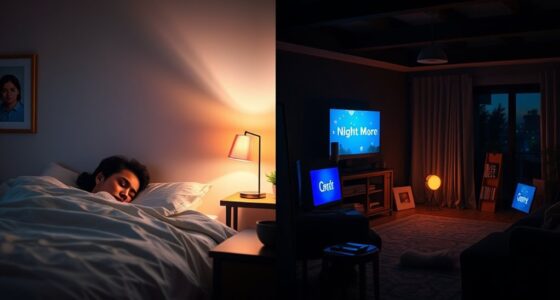
Your sleep environment also plays a fundamental role in how quickly you fall asleep. A dark, quiet, and cool room creates the ideal setting for sleep. Minimize noise disruptions by using earplugs or a white noise machine, and block out light with blackout curtains or a sleep mask. Temperature matters too; keep your room slightly cool, around 60-67°F (15-19°C), to promote better sleep. Avoid screens before bed because the blue light emitted by phones, tablets, and computers suppresses melatonin, the hormone that helps regulate your sleep-wake cycle. Instead, opt for calming activities like listening to soothing music or practicing relaxation techniques.
Consistency is essential. Going to bed and waking up at the same time every day—even on weekends—helps regulate your internal clock. When your body gets used to a fixed schedule, falling asleep earlier becomes more natural. If you’re used to staying up late, gradually shift your bedtime by 15-minute intervals each night until you reach your desired earlier time. This slow adjustment minimizes frustration and resistance from your body.
Additionally, understanding the importance of routines and environment can significantly enhance your ability to fall asleep earlier, as they work together to cue your body for rest. Beyond routines and environment, it’s helpful to limit caffeine and heavy meals close to bedtime, as they can interfere with your ability to fall asleep. Regular physical activity during the day also promotes better sleep, but avoid vigorous exercise right before bed, which can be stimulating. Creating a calming pre-sleep routine that you stick to consistently will help your body recognize when it’s time to wind down, making it easier to fall asleep earlier over time.
Products Worth Considering

LEVOIT Vital 200S-P Smart Air Purifier for Large Rooms, White

Withings ScanWatch Light Hybrid Smartwatch – White

Withings Sleep Tracking Pad
As an affiliate, we earn on qualifying purchases.
Frequently Asked Questions
Can Taking Naps During the Day Affect My Ability to Sleep Earlier?
Taking naps during the day can make it harder for you to sleep earlier, especially if they’re long or late in the afternoon. To improve your sleep schedule, make sure you get plenty of daylight exposure during the day, which helps regulate your internal clock. Also, establish consistent evening routines that signal your body it’s time to wind down, making it easier to fall asleep earlier and maintain a healthy sleep pattern.
What Foods Help or Hinder Me From Falling Asleep Sooner?
Think of your meals as gentle guides to better sleep. Choose sleep promoting snacks like almonds, bananas, or warm milk, which contain natural compounds that encourage rest. Avoid sleep disrupting foods such as caffeine, spicy dishes, or sugary treats close to bedtime, as they can keep you awake longer. Your focus on nourishing your body with calming, sleep-friendly foods helps signal your mind that it’s time to wind down peacefully.
How Does Exercise Impact My Sleep Schedule?
Exercise can markedly improve your sleep hygiene by helping regulate your circadian rhythms. When you stay active, especially earlier in the day, it promotes deeper, more restful sleep and makes it easier to fall asleep earlier. However, avoid intense workouts close to bedtime, as they can interfere with your sleep schedule. Regular exercise, combined with good sleep habits, helps you establish a consistent sleep pattern and wake up feeling refreshed.
Are There Any Natural Supplements That Promote Earlier Sleep?
Yes, you can try natural supplements like melatonin to help you fall asleep earlier. Melatonin supplements boost your sleep hormone levels, making it easier to adjust your sleep schedule. Additionally, herbal teas such as chamomile or valerian root can promote relaxation and prepare your body for sleep. Incorporate these into your nightly routine, but consult a healthcare professional to guarantee they’re suitable for you.
How Can I Manage Bedtime Anxiety to Fall Asleep Earlier?
Feeling anxious at bedtime can make it tough to fall asleep earlier. To manage this, try relaxation techniques like deep breathing or progressive muscle relaxation. Create a peaceful sleep environment—dim the lights, eliminate noise, and keep your room cool. These steps help quiet your mind and reduce bedtime anxiety. Stay consistent with a calming pre-sleep routine, and you’ll find it easier to drift off sooner, even when your mind races.
Conclusion
By sticking to these tips, you’ll transform into a sleep superhero, conquering late nights and waking up refreshed. Remember, consistency is your secret weapon—your body’s internal clock is more powerful than you think. Don’t let sleepless nights steal your energy or turn you into a zombie! With patience and persistence, you’ll master the art of falling asleep earlier. Soon, you’ll be sleeping like a rock, unstoppable and ready to conquer each day!