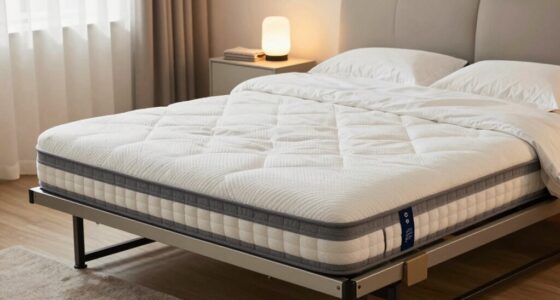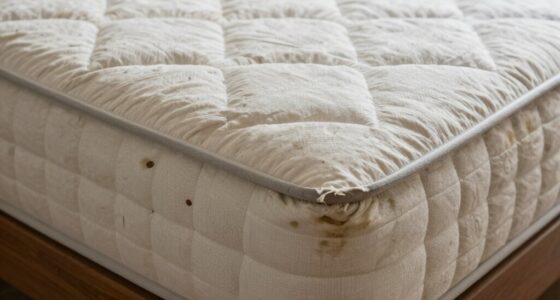
Latex mattresses are a great choice if you suffer from allergies because they naturally resist dust mites, mold, and pet dander. Their open-cell structure promotes air flow, helping to dissipate heat and moisture, which discourages mold growth. Plus, they don’t require chemical treatments, making maintenance easier and reducing allergen build-up over time. If you want to discover how latex can keep your sleep environment healthier, there’s more to learn below.
Key Takeaways
- Naturally resistant to dust mites, mold, and pet dander, reducing allergy triggers.
- Open-cell structure enhances breathability and prevents mold growth, supporting a dry sleep surface.
- Minimizes need for chemical treatments, lowering exposure to irritants and allergens.
- Durable design reduces the frequency of replacement, limiting allergen accumulation over time.
- Certified organic latex offers an eco-friendly, chemical-free option for sensitive individuals.
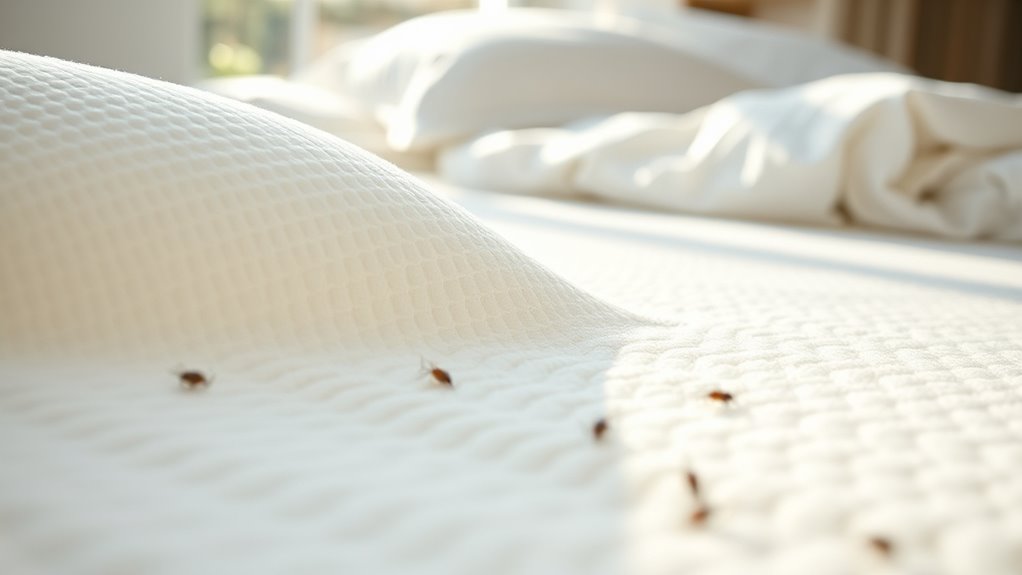
Are latex mattresses a smart choice if you suffer from allergies? The answer is often yes, thanks to their unique hypoallergenic properties. Unlike traditional mattresses that can trap dust mites, mold, and pet dander, latex mattresses are naturally resistant to many common allergens. This resistance is primarily due to the dense, resilient structure of latex, which makes it difficult for allergens to penetrate or accumulate. As a result, you’re less likely to experience allergy flare-ups or respiratory irritation when sleeping on a latex mattress. Additionally, many latex mattresses are made from natural or organic latex, which further reduces the presence of synthetic chemicals and allergens that might irritate sensitive individuals.
Breathability features also play a significant role in making latex an ideal option for allergy sufferers. Latex has an open-cell structure that promotes excellent air circulation, helping to dissipate heat and moisture. This breathability minimizes the build-up of humidity, which is often a breeding ground for mold and mildew—common triggers for allergy symptoms. When your mattress stays dry and well-ventilated, it discourages the growth of allergens that thrive in damp environments. This natural airflow ensures that you stay cooler and more comfortable throughout the night, reducing excessive sweating that can contribute to mold development. Moreover, proper airflow can help reduce odors and improve overall indoor air quality.
Another benefit of latex’s breathability is that it reduces the need for synthetic mattress covers or deep cleaning routines, which can sometimes introduce additional allergens or chemicals. Since latex naturally resists dust mites and mold, you don’t need to rely heavily on chemical treatments or protective covers, which can sometimes contain allergens themselves. This reduces your exposure to potential irritants and creates a cleaner, healthier sleep environment.
Moreover, latex mattresses tend to maintain their shape and resilience longer than many other mattress types. This durability means fewer replacements and less exposure to dust and allergens that can accumulate over time. Their low maintenance requirements also mean you can keep your sleeping area cleaner without much effort. Additionally, choosing a latex mattress made from certified organic materials can further enhance its hypoallergenic and eco-friendly qualities.
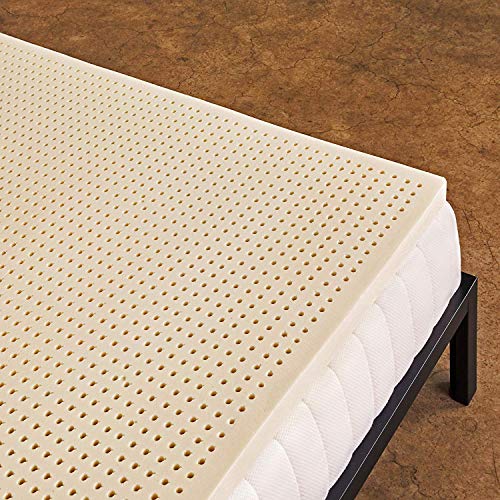
Pure Green Natural Latex Mattress Topper – Soft – 3 Inch – Queen Size (GOLS Certified Organic)
Soft – Great for Adding Softness to the Surface of a Mattress
As an affiliate, we earn on qualifying purchases.
As an affiliate, we earn on qualifying purchases.
Frequently Asked Questions
Are Latex Mattresses Suitable for People With Chemical Sensitivities?
Yes, latex mattresses are suitable for people with chemical sensitivities because they often use natural fibers and are free from synthetic chemicals. You’ll find that natural latex, derived from rubber trees, doesn’t emit strong odors or VOCs like synthetic alternatives do. This makes latex mattresses a safer, healthier choice for sensitive individuals, helping you avoid irritants and enjoy a more comfortable, chemical-free sleep environment.
How Do Latex Mattresses Affect Asthma Symptoms?
Think of a latex mattress as a breath of fresh air. Its latex purity means fewer airborne particles, which can reduce airway irritation. This helps ease asthma symptoms, making it easier to breathe while you sleep. Because latex is naturally resistant to dust mites and mold, it creates a healthier environment. If you’re sensitive, switching to a latex mattress might improve your sleep quality and lessen your asthma discomfort.
Can Latex Mattresses Be Hypoallergenic for Sensitive Skin?
Yes, latex mattresses can be hypoallergenic for sensitive skin. They have natural hypoallergenic properties, resisting dust mites, mold, and bacteria that often trigger skin reactions. If you have skin sensitivity, you’ll appreciate that latex is breathable and resistant to allergens, helping to keep your sleeping environment cleaner. Just make certain you choose organic or natural latex options to avoid added chemicals that might irritate sensitive skin.
Do All Latex Mattresses Resist Mold and Dust Mites Equally?
Not all latex mattresses resist mold and dust mites equally. Look for natural latex options with good mold resistance, as they prevent mold growth effectively. Additionally, choose a mattress with dust mite prevention features, like tightly woven covers or antimicrobial treatments. These combined qualities help guarantee your mattress stays healthier, reducing allergy triggers. Keep in mind that proper ventilation and regular cleaning also support mold resistance and dust mite prevention.
What Maintenance Is Required to Keep Latex Mattresses Allergen-Free?
To keep your latex mattress allergen-free, clean it regularly, vacuuming weekly to remove dust and allergens. Use a mattress protector to create an extra barrier against dust mites and mold. Wash the protector monthly in hot water, and air out the mattress to reduce moisture buildup. Maintain a consistent cleaning routine, guarantee proper ventilation, and keep humidity low to prevent allergens from settling and thriving.

Awara Natural Hybrid Full Mattress 10 Inch – Certified Organic Natural Latex – Sustainable New Zealand Wool – Fiberglass-Free – 365-Night Trial
365-NIGHT HOME TRIAL & LIFETIME WARRANTY – Our industry-leading trial period and warranty starts the day your Awara…
As an affiliate, we earn on qualifying purchases.
As an affiliate, we earn on qualifying purchases.
Conclusion
Imagine sinking into a cloud of pure, breathable comfort each night, free from sneezing fits and itchy eyes. Latex mattresses create a barrier that keeps dust mites and allergens at bay, giving you a peaceful, restful sleep. With their natural resistance and hypoallergenic properties, you’ll wake up feeling refreshed and ready to face the day. Say goodbye to allergy troubles and hello to nights of soothing serenity on a latex mattress designed just for you.

PlushDeluxe Premium Bamboo Mattress Protector – Full Size, Waterproof, & Ultra Soft Breathable Noiseless Washable Bed Mattress Cover for Comfort & Protection – White
SAFEGUARD YOUR INVESTMENT: Keep your expensive mattress in pristine condition with our Premium Full Bamboo Mattress Protector. Our…
As an affiliate, we earn on qualifying purchases.
As an affiliate, we earn on qualifying purchases.
Pure Green Natural Latex Mattress Topper – Soft – 2 Inch – Queen Size (GOLS Certified Organic)
Soft – Great for Adding Softness to the Surface of a Mattress
As an affiliate, we earn on qualifying purchases.
As an affiliate, we earn on qualifying purchases.