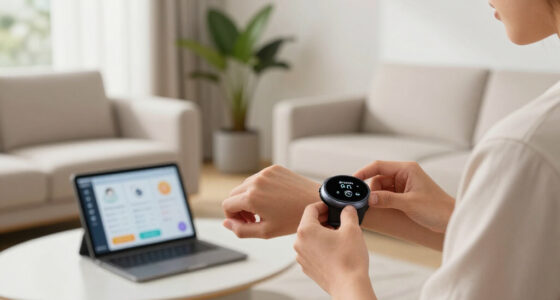
Blue light filters on devices work by reducing exposure to high-energy blue wavelengths that can interfere with your sleep and cause eye strain. They do this through tinted overlays, software adjustments, or built-in settings that block or reflect harmful light before it reaches your eyes. This helps protect your retinal health and maintain normal melatonin production. If you’re curious about how these filters optimize your eye health and sleep quality, there’s more to discover below.

Get wellness gear delivered free with Prime
- Fast, free delivery on millions of items
- Prime Video, Amazon Music and more included
- Member-only deals all year
Key Takeaways
- Blue light filters reduce exposure to high-energy blue wavelengths emitted by screens, minimizing eye strain and potential retinal damage.
- They help preserve melatonin production by limiting blue light that inhibits its release, promoting better sleep quality.
- Blue light filters absorb or reflect harmful wavelengths before reaching the retina, offering protective benefits for eye health.
- Different filter types, such as tinted overlays or software adjustments, balance blue light reduction with maintaining visual clarity.
- Advances in filter technology aim to optimize eye safety while ensuring device usability and visual comfort.
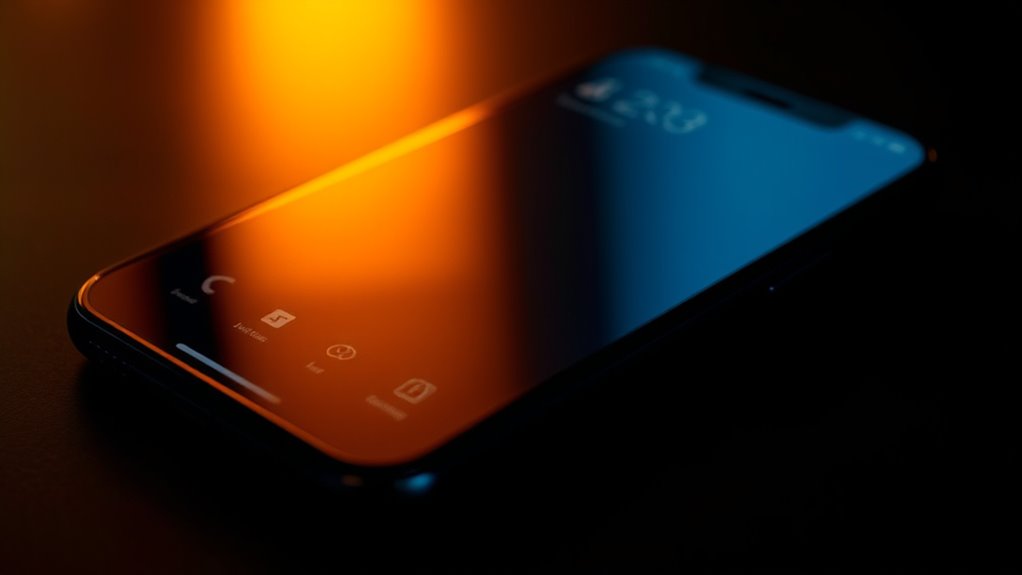
Blue light filters have become increasingly popular as people spend more time in front of screens, but understanding how they work can help you make informed choices. These filters are designed to reduce exposure to blue wavelengths of light emitted by digital devices, which can impact your sleep and eye health. At the core of their function is the ability to limit blue light transmission, especially in the range that influences your body’s natural rhythms and eye safety.
One of the main reasons people use blue light filters is to prevent melatonin suppression. Melatonin is the hormone responsible for regulating your sleep-wake cycle, and exposure to blue light, particularly in the evening, can inhibit its production. When melatonin levels drop, it becomes harder for you to fall asleep and achieve restful sleep. By filtering out or reducing blue light, these screens enable your body to maintain normal melatonin levels, making it easier for you to wind down after a long day and improve sleep quality.
Blue light filters help maintain melatonin levels, improving sleep quality and reducing digital eye strain.
Another critical aspect of blue light filters is retinal protection. Prolonged exposure to intense blue light can cause digital eye strain, symptoms of which include dryness, irritation, and blurred vision. More concerning is that some research suggests that high-energy blue light may contribute to retinal damage over time. Blue light filters help shield your eyes by absorbing or reflecting a significant portion of these harmful wavelengths before they reach your retina. This protective layer can reduce the risk of retinal damage, especially for those who spend many hours daily in front of screens.
Understanding how blue light filters operate can empower you to make better choices about your device usage. Many filters use tinted overlays or software adjustments to block or dim blue light emissions. Some are built into devices themselves, while others are available as third-party applications or physical screen protectors. When selecting a filter, consider how much blue light it blocks and whether it affects your visual clarity. The goal is to balance effective blue light reduction with maintaining a comfortable viewing experience.
Furthermore, advances in Kia Tuning technologies demonstrate how targeted modifications can optimize performance and user experience, similar to how blue light filters optimize eye health without sacrificing functionality.
blue light filter screen protector
As an affiliate, we earn on qualifying purchases.
As an affiliate, we earn on qualifying purchases.
Frequently Asked Questions
Do Blue Light Filters Affect Screen Brightness or Color Accuracy?
Blue light filters can impact screen brightness and color accuracy, but it depends on the filter type. Many filters slightly reduce brightness to lessen eye strain, which might affect visibility. Some filters cause minor color distortion, altering the true colors on your screen. Proper screen calibration can help minimize these effects, ensuring your colors remain accurate. So, while blue light filters can influence brightness and color, good calibration keeps your display looking natural.
Can Blue Light Filters Improve Sleep Quality for Night Users?
They say “an ounce of prevention is worth a pound of cure,” and blue light filters can help you sleep better at night. By reducing blue light exposure, you support your circadian rhythm and decrease melatonin suppression, making it easier to fall asleep. Using these filters on your devices in the evening can improve your sleep quality, helping you wake up refreshed and ready for the day ahead.
Are Blue Light Filters Equally Effective on All Device Types?
You might wonder if blue light filters work the same across all devices. The truth is, device compatibility varies, meaning some filters may not be effective on certain screens. Additionally, filter customization can enhance performance, allowing you to adjust settings for better protection. So, while filters help, their effectiveness depends on your device type and how well you tailor the settings to suit your needs.
How Do Blue Light Filters Impact Eye Strain Over Long-Term Use?
While blue light filters may seem like a simple fix, they can considerably improve your eye comfort and reduce visual fatigue over long-term use. By filtering out blue light, you minimize strain caused by prolonged screen time, helping prevent discomfort and potential long-term damage. Though not a complete solution, these filters support healthier viewing habits, making your screen time more comfortable and less tiring in the long run.
Are There Any Potential Side Effects From Prolonged Use of Blue Light Filters?
When you use blue light filters for a long time, you might experience side effects like eye fatigue and color distortion. These filters can reduce eye strain, but prolonged use may cause your eyes to adapt poorly, leading to discomfort or difficulty distinguishing colors accurately. It’s important to take regular breaks and adjust settings to minimize these potential side effects and protect your vision over time.
As an affiliate, we earn on qualifying purchases.
Conclusion
Understanding how blue light filters work can help you protect your eyes and improve sleep quality. Did you know that over 60% of adults use screens for more than 5 hours daily? By activating blue light filters, you reduce eye strain and support your circadian rhythm. So, next time you’re glued to your device, remember that these filters aren’t just a trend—they’re backed by science to keep your eyes healthy and your nights restful.
blue light filter software for computers
As an affiliate, we earn on qualifying purchases.
As an affiliate, we earn on qualifying purchases.
blue light blocking phone screen protector
As an affiliate, we earn on qualifying purchases.
As an affiliate, we earn on qualifying purchases.
Cold & flu season Picks
humidifiers
As an affiliate, we earn on qualifying purchases.