When comparing HEPA and ‘HEPA-Type’ filters, it’s essential to recognize the difference in standards. Genuine HEPA filters meet strict certification, capturing 99.97% of 0.3-micron particles, while ‘HEPA-Type’ filters often lack proper certification and may perform poorly. Labels can be misleading, so always check for recognized standards on the product. If you want to guarantee effective air purification, understanding these distinctions will help you make smarter choices and avoid false security.
Key Takeaways
- True HEPA filters meet strict standards by capturing 99.97% of 0.3-micron particles, unlike uncertified ‘HEPA-Type’ filters.
- ‘HEPA-Type’ labels often lack certification, making it hard to verify actual filtration performance.
- Genuine HEPA filters use dense fibers for high efficiency; ‘HEPA-Type’ filters typically use inferior materials.
- Certification ensures reliable air purification, preventing false security from misleading ‘HEPA’ marketing claims.
- Always check for recognized standards to distinguish between certified HEPA and non-regulated ‘HEPA-Type’ filters.
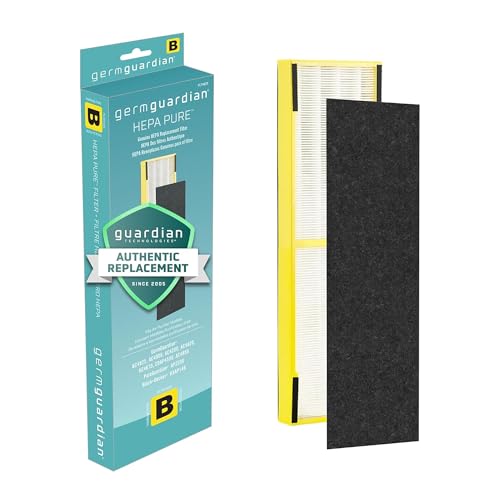
GermGuardian Filter B HEPA Pure Genuine Air Purifier Filter, Removes 99.97% of Pollutants, Wildfire Smoke, Odors, for AC4825, AC4300, AC4850, AC4880, AC4900, CDAP4500, AP2200, Black/Yellow, FLT4825
Genuine HEPA PURE Air Filter: Experience the power of authentic HEPA PURE air filtration with this GermGuardian filter…
As an affiliate, we earn on qualifying purchases.
As an affiliate, we earn on qualifying purchases.
What Are Genuine HEPA Filters and How Do They Work?

What Are Genuine HEPA Filters and How Do They Work?
Genuine HEPA filters are highly effective air purification systems that trap tiny particles, including dust, pollen, pet dander, and even some bacteria and viruses. They work through a process called particle capture, using a dense fiber matrix that traps airborne contaminants as air passes through. This high level of air filtration is what makes HEPA filters so reliable in improving indoor air quality. When air flows into the filter, the fibers intercept particles of various sizes, preventing them from circulating back into your living space. Because of their design, genuine HEPA filters can capture at least 99.97% of particles as small as 0.3 microns. This guarantees that you’re breathing cleaner, healthier air, especially in environments where air quality matters most. Additionally, regular cleaning and replacing filters is essential to maintain their efficiency and effectiveness over time. Furthermore, the adaptable structure of HEPA filters allows them to be integrated into various air purification systems, enhancing overall air quality management. Understanding urban traffic confidence can also help in choosing the right air purification system for environments exposed to pollutants. Moreover, using genuine HEPA filters can significantly reduce microplastics in dust, contributing to a healthier indoor environment. These filters play a crucial role in mitigating indoor pollutants, ensuring that the air you breathe is as clean as possible.

HPA300 HEPA Air Purifier Filter R for Honeywell Air Purifier HPA100/200/300 and 5000 Series, 6 Pack HEPA Filter Compatible with Honeywell R Filter (HRF-R3 & HRF-R2 & HRF-R1)
【COMPATIBLE WITH HONEYWELL AIR PURIFIER】- This HPA300 hepa r filter replacement is fully compatible with Honeywell Air Purifier…
As an affiliate, we earn on qualifying purchases.
As an affiliate, we earn on qualifying purchases.
How Do ‘HEPA-Type’ Filters Compare to True HEPA?

How Do ‘HEPA-Type’ Filters Compare to True HEPA?
How do ‘HEPA-Type’ filters measure up against true HEPA filters? Generally, true HEPA filters meet strict certification standards, capturing at least 99.97% of particles 0.3 microns in size. In contrast, ‘HEPA-Type’ filters use different air filter materials that often don’t meet these standards, resulting in lower efficiency. They may be made from less dense fibers or alternative materials, which can reduce filtration performance. Here’s a quick comparison:
| Feature | True HEPA | ‘HEPA-Type’ |
|---|---|---|
| Certification standards | Meets strict industry standards | Often lacks formal certification |
| Air filter materials | Dense, specialized fibers | Less dense, alternative materials |
| Particle capture rate | ≥ 99.97% at 0.3 microns | Usually lower than true HEPA |
This difference impacts effectiveness, especially for allergy or asthma relief. Additionally, the color accuracy of a home cinema projector can enhance the viewing experience, much like how true HEPA filters improve air quality. Moreover, the efficiency of true HEPA filters can be likened to the horsepower of electric dirt bikes, ensuring optimal performance in maintaining air quality.

PuroAir 240 HEPA Air Purifiers for Home Large Rooms – Covers Up to 1,000 Sq Ft – Filters Up to 99.9% of Pollutants, Smoke, Pollen, Dust – Quiet HEPA Air Filter – Air Purifiers for Bedroom
Cleaner Air in Minutes: PuroAir is proven to filter the pollutants lurking in your home’s air. This large…
As an affiliate, we earn on qualifying purchases.
As an affiliate, we earn on qualifying purchases.
Are All HEPA Filters Created Equal? Understanding Labels and Ratings
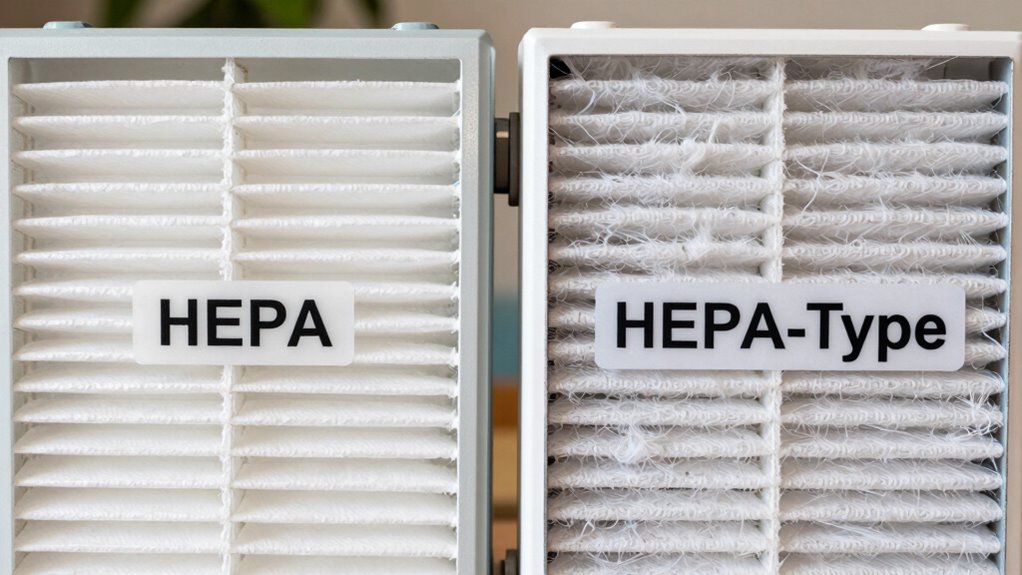
Not all HEPA filters are created equal, even if they carry the same label. The key difference lies in the filter materials used and the certification standards they meet. True HEPA filters must capture at least 99.97% of particles as small as 0.3 microns, according to strict standards like those set by the U.S. Department of Energy. Some filters labeled as “HEPA-Type” or “HEPA-like” often use different materials that don’t meet these rigorous criteria. Always check the certification standards indicated on the label to verify performance. High-quality HEPA filters use dense, electrostatically charged filter materials that guarantee maximum particle removal. Understanding these standards helps you choose an effective filter and avoid misleading claims.
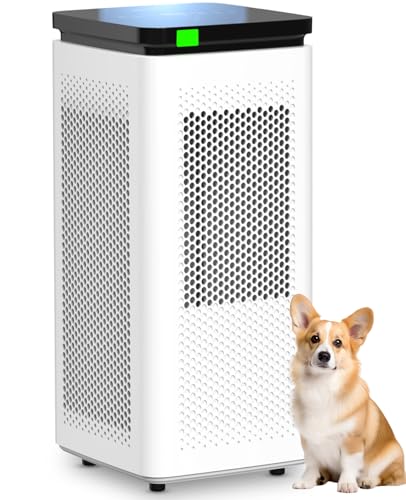
Air Purifiers for Home Large Rooms up to 3500 Ft², H13 True HEPA 0.1 Micron 99.97% Filtration with Carbon Filter, 235 CFM CADR, for Pollen, Pet Odor, Smoke, VOCs, 30dB Sleep Mode, PM2.5 Display
H13 True HEPA + Carbon Filter – Removes Odors & Smoke: Equipped with H13 True HEPA (0.1μm, 99.97%)…
As an affiliate, we earn on qualifying purchases.
As an affiliate, we earn on qualifying purchases.
What Factors Matter When Choosing a HEPA Air Purifier

Sure! Here’s the revised content with the requested changes:
—
When choosing a HEPA air purifier, several key factors can influence its effectiveness and suitability for your space. First, consider the air quality you need to improve. If you’re dealing with allergens, pollutants, or smoke, look for a purifier with a high Clean Air Delivery Rate (CADR). Next, assess filter durability—some filters last longer than others, saving you money and maintenance time. A durable filter maintains its performance over time, ensuring consistent air purification. Additionally, colorful presentation can encourage engagement in various environments, much like how vibrant foods can attract infants. Moreover, understanding how necessary cookies function can help you navigate the online purchasing process more effectively. It’s also important to recognize that media literacy skills can empower you to make informed choices when selecting products. Also, check the size of the unit to match your room’s dimensions for *ideal* coverage. Many manufacturers now offer financial aid options to help offset the costs of high-quality purifiers, making them more accessible. Noise level might matter if you plan to run the purifier overnight. Overall, balancing air quality needs with filter longevity and proper sizing will help you choose the *best suited* HEPA air purifier for your space. Additionally, understanding cookie preferences can enhance your online shopping experience for air purifiers.
How to Identify Authentic HEPA Filters in Product Listings
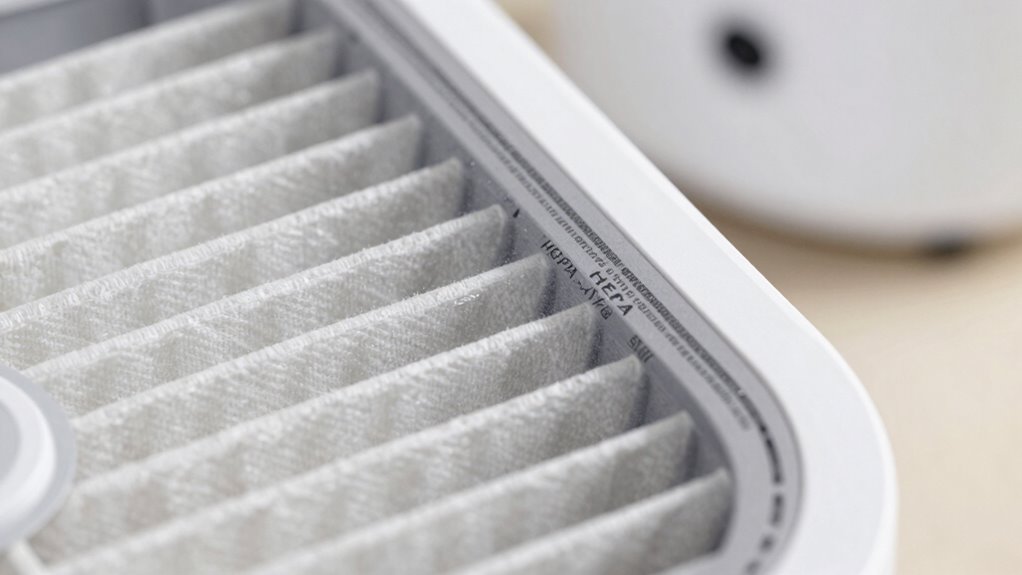
Are you confident that the HEPA filter listed in a product description is truly authentic? To verify, check the filter materials—authentic HEPA filters use dense, high-quality fibers designed to trap 99.97% of particles 0.3 microns and smaller. Look for clear mentions of certification standards like HEPA or True HEPA on the packaging or product listing. Reputable brands often display certifications from recognized organizations, which confirm the filter’s authenticity. Be wary of vague claims or generic labels like “HEPA-type.” Always review detailed specifications and confirm the filter’s compliance with official standards. Authentic HEPA filters should meet strict criteria, ensuring you get the filtration performance you’re paying for. Additionally, consider how eco-friendly natural pools utilize effective filtration methods, as this can provide insights into the importance of quality in filtration systems.
Common Myths About HEPA and ‘HEPA-Type’ Filters Debunked

Many people believe that all filters labeled as “HEPA” are equally effective, but misleading labeling practices can be confusing. You might think that “HEPA-Type” filters perform the same, yet they often fall short of true HEPA standards. Understanding the differences in effectiveness helps you make smarter choices for cleaner air.
Misleading Labeling Practices
Have you ever wondered if all filters labeled as “HEPA” truly meet the same standards? Many companies use marketing tactics to make their products seem more effective, even if they don’t meet true HEPA criteria. This can mislead consumers and create false expectations. To navigate this, keep these points in mind:
- Labels like “HEPA-Type” often suggest high filtration but fall short of actual HEPA standards.
- Some brands inflate claims to boost sales, relying on consumer awareness gaps.
- Not all “HEPA” labels are regulated equally, leading to inconsistent filtration performance.
- Understanding these practices helps you make informed decisions and avoid being duped by misleading marketing tactics.
Being aware of labeling practices empowers you to choose filters that genuinely meet high standards instead of falling for superficial branding.
Effectiveness Differences Explained
While labels like “HEPA” and “HEPA-Type” may look similar, their actual effectiveness can differ markedly. HEPA filters are designed to have a filtration efficiency of at least 99.97% for airborne particles as small as 0.3 microns. This means they effectively trap most dust, pollen, mold spores, and pet dander. In contrast, ‘HEPA-Type’ filters often do not meet these strict standards, so their filtration efficiency can vary widely. They might capture some airborne particles but typically don’t provide the same level of purification as genuine HEPA filters. Relying on ‘HEPA-Type’ labels can give a false sense of security, leading you to believe your air is cleaner than it actually is. To guarantee maximum effectiveness, always check the filter’s certification and performance specifications.
Cost and Maintenance Differences Between True HEPA and ‘HEPA-Type’ Filters
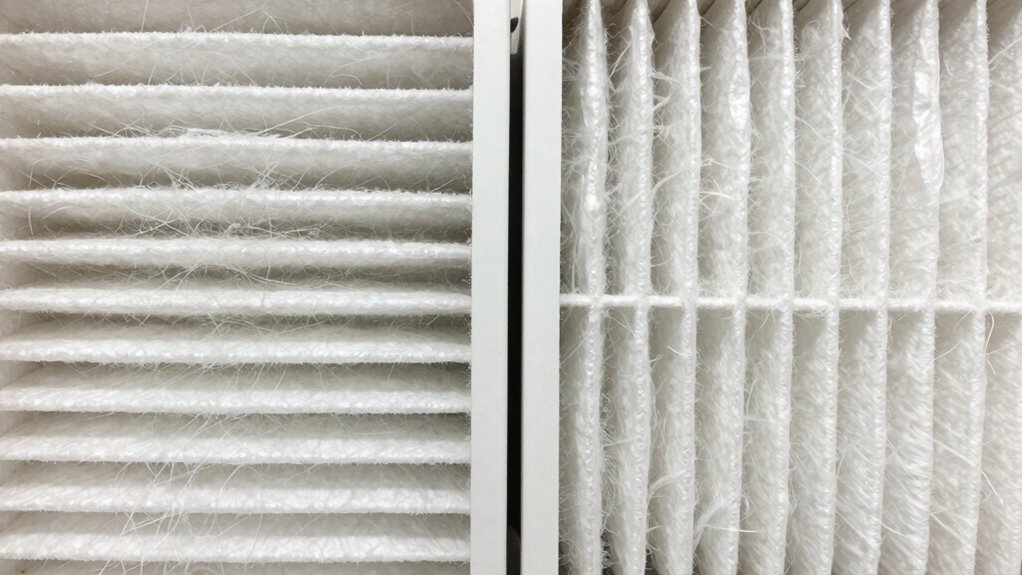
True HEPA filters typically cost more upfront and require regular, sometimes costly, replacements to maintain their high filtration efficiency. The cost comparison shows that while initial prices are higher, their durability can offset expenses over time. Maintenance requirements for true HEPA filters involve frequent replacements, which can add up financially. Conversely, ‘HEPA-Type’ filters usually cost less initially but often need more frequent replacement, reducing long-term savings. Consider these points:
- True HEPA filters last longer but have higher initial costs.
- ‘HEPA-Type’ filters are cheaper upfront but may need frequent changes.
- Maintenance frequency impacts overall expenses.
- Proper filter choice depends on balancing initial investment with ongoing costs.
Understanding these differences helps you evaluate the true cost of ownership and maintenance needs effectively.
Which HEPA Filter Is Right for Your Air Quality Needs?

Choosing the right HEPA filter depends on your specific air quality needs and budget. If you’re dealing with allergies or asthma, opt for a true HEPA filter that captures 99.97% of particles, improving air quality considerably. For less severe concerns, HEPA-type filters can still improve air but may not last as long or filter as efficiently. Consider filter longevity—some filters need frequent replacements, affecting ongoing costs. If you want consistent, high-quality air, investing in a true HEPA filter might be worth the higher initial expense and maintenance. On the other hand, if your primary goal is basic air freshening or occasional use, a HEPA-type could suffice. Additionally, understanding regulatory considerations can help you ensure that the filter you choose meets air quality standards relevant to your environment. Match your choice to your environment, health needs, and budget to guarantee ideal air quality without unnecessary expenses.
Frequently Asked Questions
Can ‘Hepa-Type’ Filters Effectively Remove Allergens and Viruses?
‘HEPA-Type’ filters are less effective at removing allergens and viruses compared to true HEPA filters, which are designed for high filter efficiency. While they may improve air quality slightly, they often don’t meet the standards needed to capture tiny particles like viruses or certain allergens. If you want better protection, choose a genuine HEPA filter, ensuring peak air quality and more reliable removal of harmful airborne particles.
Are ‘Hepa-Type’ Filters Safe for People With Allergies?
You might find ‘HEPA-type’ filters safe for allergies, but it depends on their airflow efficiency and filter material. Coincidentally, many ‘HEPA-type’ filters don’t meet true HEPA standards, which means they might not trap all allergens effectively. If the filter’s material isn’t up to par or airflow isn’t optimized, allergens could still circulate. Always check for proper certification to guarantee your filter genuinely reduces allergy triggers safely.
How Long Do ‘Hepa-Type’ Filters Typically Last?
You can expect ‘HEPA-Type’ filters to last around 3 to 6 months, depending on usage and environment. Their filter lifespan varies with factors like air quality and dust levels. Regular maintenance, such as checking and replacing filters as needed, guarantees they work effectively. Keep an eye on any decrease in air quality or airflow, which can signal it’s time for a replacement to maintain peak filtration.
Do ‘Hepa-Type’ Filters Emit Any Harmful Byproducts?
‘HEPA-Type’ filters generally don’t emit harmful byproducts, so they won’t negatively impact your air quality. They’re designed to trap particles without releasing chemicals or gases. However, it’s essential to choose filters from reputable brands to guarantee filter durability and safety. Regularly replacing or maintaining your filter helps maintain peak air quality and prevents potential buildup of dust or mold that could compromise health.
Are There Certifications to Verify Genuine HEPA Filter Claims?
Don’t put all your eggs in one basket. To verify genuine HEPA filters, look for certifications from reputable standards like the U.S. Department of Energy or European EN1822. These certification standards guarantee that filter manufacturing meets strict quality and performance criteria. Always check for labels or documentation confirming the filter’s compliance, so you’re confident it captures 99.97% of particles, giving you peace of mind and cleaner air.
Conclusion
Now that you know the difference between genuine HEPA and ‘HEPA-type’ filters, you can confidently choose the cleanest, most cost-effective option for your space. Remember to scrutinize labels, stay skeptical of shortcuts, and prioritize purity over price. With smart shopping and sharp scrutiny, you’ll secure a superior filter that truly filters out the tiniest troublemakers, transforming your environment into a healthier haven. Make informed choices and breathe better, starting today!