

Clutter in your sleeping space can disrupt your sleep by creating mental and visual distractions that make it hard to relax. An organized, tidy environment signals your brain it’s time to unwind, reducing stress and bedtime anxiety. When clutter accumulates, it keeps your mind restless and alert, interfering with falling asleep and staying asleep. Staying clutter-free promotes a peaceful atmosphere, helping you enjoy better, more restorative nights. Keep exploring to discover simple tips for a clutter-free sleep zone.
Key Takeaways
- Cluttered environments increase mental and visual distractions, making it harder to relax and fall asleep.
- Visual chaos in the bedroom can elevate stress levels, impairing sleep quality.
- Disorganization signals the brain to stay alert, disrupting the natural sleep-wake cycle.
- Mental clutter from cluttered spaces contributes to bedtime anxiety and restless sleep.
- Maintaining an orderly space promotes relaxation, leading to deeper and more restorative sleep.

Have you ever wondered how clutter in your bedroom might be affecting your sleep? It’s easy to overlook how the chaos around you influences your nightly rest, but clutter can substantially disrupt your ability to fall asleep and stay asleep throughout the night. When your space is disorganized, your mind may remain restless, constantly alert for the next task or worry. That’s where effective organizational strategies come into play, helping you create a calm, orderly environment that promotes better sleep. By decluttering and maintaining a tidy space, you reduce visual distractions and mental clutter, making it easier to relax at bedtime.
Implementing organizational strategies doesn’t have to be overwhelming. Start by setting aside a few minutes each day to put things in their proper places. Use storage solutions like bins, shelves, or baskets to keep items neatly contained. Keep your bedside table clear of unnecessary objects, and give your closet a regular tidy-up. These small steps make a big difference in creating a serene space that signals to your brain that it’s time to unwind. When your environment is clean and organized, you’re less likely to feel stressed or overwhelmed, which directly impacts your sleep quality. Additionally, understanding how clutter affects mental health can motivate you to maintain a clutter-free environment for better overall well-being.
Simple daily decluttering boosts sleep by creating a peaceful, organized space that eases stress and promotes relaxation.
Stress reduction techniques are equally important in combating the negative effects of clutter. When your surroundings are chaotic, stress levels tend to rise, making it harder to relax. Incorporate calming activities into your nightly routine, such as deep breathing exercises, meditation, or gentle stretches. These techniques help calm your mind and body, shifting your focus away from clutter-induced anxiety. Establishing a wind-down ritual signals to your brain that it’s time to prepare for sleep, which can notably improve your sleep quality over time.
Creating a clutter-free space isn’t just about aesthetics; it’s a powerful way to foster mental tranquility. When your environment is organized and clutter-free, you’ll notice a decrease in bedtime stress and an easier transition into restful sleep. Remember, consistency is key—regularly practicing organizational strategies and stress reduction techniques will reinforce a peaceful atmosphere. Over time, you’ll find it easier to disconnect from daily worries and embrace a more relaxed state, leading to deeper, more restorative sleep. In the end, a tidy space isn’t just visually appealing; it’s a crucial component of your overall sleep health.
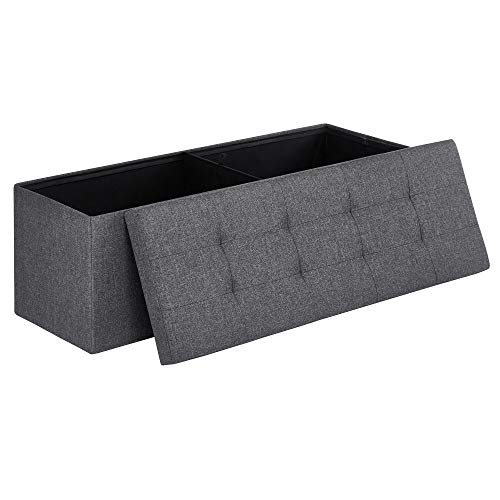
SONGMICS MAZIE Collection – 43 Inches Folding Storage Ottoman Bench, Ottoman Foot Rest, End of Bed Bench, Storage Chest, Load 660 lb, for Living Room, Bedroom, Entryway, Dark Gray ULSF77K
【QUICK ASSEMBLY, EASY FOLDAWAY】This storage ottoman from the SONGMICS MAZIE Collection has a foldable design that allows quick…
As an affiliate, we earn on qualifying purchases.
As an affiliate, we earn on qualifying purchases.
Frequently Asked Questions
Can Minimalism Improve Sleep Beyond Clutter Reduction?
You might wonder if minimalism improves sleep beyond just decluttering benefits. Embracing minimalist habits can create a calming environment, reducing distractions and stress, which promotes better sleep. By simplifying your space and routines, you foster mental clarity and relaxation. This intentional living approach not only declutters your physical space but also encourages healthier sleep patterns, making it easier to unwind and enjoy restful nights.
Does Clutter Affect Sleep Differently for Children and Adults?
You might notice that clutter impacts children’s and adults’ sleep differently. For kids, a disorganized bedroom can be distracting and make it hard to settle down, disrupting sleep environment. Adults may find clutter causes stress or anxiety, affecting sleep quality. Keeping your bedroom organized creates a calming sleep environment for everyone. So, managing clutter tailored to each age group helps improve sleep quality by promoting a peaceful bedroom organization.
How Quickly Can Clearing Clutter Enhance Sleep Quality?
Imagine your sleep environment as a calm lake, undisturbed by ripples. Clearing clutter can transform your space almost instantly, promoting faster sleep onset and deeper rest. Within a day or two of clutter clearing, you’ll notice a more peaceful atmosphere, reducing stress and anxiety that hinder sleep. Taking this simple step creates a serene sanctuary, allowing your mind and body to relax and enjoy restorative sleep sooner than you might expect.
Are There Specific Types of Clutter More Disruptive to Sleep?
Certain clutter patterns in your bedroom organization can be more disruptive to your sleep. Piles of clothes, scattered belongings, or unfinished projects create visual chaos, making it harder to relax. These clutter types can increase stress and interfere with your sleep routine. To improve your sleep, focus on organizing your bedroom and reducing clutter patterns, creating a calm, tidy space that promotes better rest and mental clarity.
What Psychological Factors Link Clutter With Sleep Disturbances?
You might find that clutter increases anxiety triggers, making it harder to relax at night. It also causes cognitive overload, as your mind struggles to process the chaos, leading to racing thoughts. These psychological factors heighten your stress levels and interfere with your ability to fall asleep or stay asleep. By reducing clutter, you can ease anxiety and lower cognitive overload, promoting a more restful and uninterrupted sleep experience.

Posprica Small Black Baskets Cube Bin Container Tote,Woven Storage Baskets for Organizing Organizer Divider for Drawer, Closet, Shelf, Dresser, Set of 4
A set of 4PCS: The woven basket includes 1 large and 3 small organizer boxes that are perfect…
As an affiliate, we earn on qualifying purchases.
As an affiliate, we earn on qualifying purchases.
Conclusion
So, next time you step into your bedroom, remember: clutter isn’t just an eyesore—it’s a thief of restful nights. Clearing your space isn’t just tidying up; it’s reclaiming your peace and reclaiming your sleep. Imagine your bedroom as a sanctuary, not a battleground of chaos. By decluttering, you invite calm and serenity, transforming your nights from restless to restorative. Don’t let clutter whisper false promises—it’s time to silence it and embrace truly peaceful sleep.

Modern Innovations Bedside Shelf for Bed, College Dorm Room, Bunk Bed Shelf/Caddy for Top Bunk, Clip On Nightstand Tray with Cord and Cup Holder for Table Storage (White)
Bed Side Shelf: Made of premium plastic, our nightstand provides instant bedside storage for your stuff. Our tray…
As an affiliate, we earn on qualifying purchases.
As an affiliate, we earn on qualifying purchases.

Sakugi Storage Shelves – 5 Tier Shelf Organizer, Heavy Duty Garage Shelving Unit with Leveling Feet, Stable Metal Shelves Organizer for Pantry, Kitchen and Closet, 33.0" W x 12.6" D x 72.0" H, Black
HEAVY-DUTY CONSTRUCTION: The Sakugi wire shelving unit is constructed with high-quality, heavy-duty metal tubes that are 0.9 inches…
As an affiliate, we earn on qualifying purchases.
As an affiliate, we earn on qualifying purchases.