
TL;DR

Get wellness gear delivered free with Prime
- Fast, free delivery on millions of items
- Prime Video, Amazon Music and more included
- Member-only deals all year
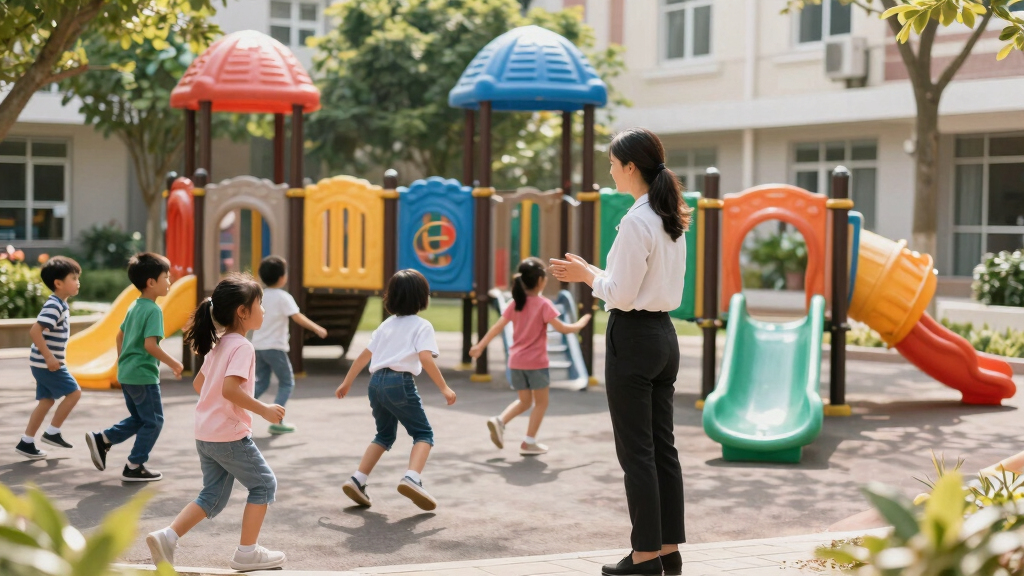
The American Academy of Pediatrics has issued new guidelines affirming that recess is a necessary health requirement for children, not a privilege or punishment. Experts highlight its benefits for physical, emotional, and social development, and warn against using recess deprivation as discipline.
The American Academy of Pediatrics has officially declared that recess is a health requirement for children, not a privilege or disciplinary tool, marking a significant shift in school health policies.
According to the AAP, children need at least 20 minutes of daily recess in elementary schools to support their physical, emotional, and social development. Pediatric experts, including Dr. Michael Patrick of Nationwide Children’s Hospital, state that recess helps reset the brain, reduce stress, and improve focus, which are essential for learning.
Research cited by the AAP indicates that depriving children of recess can lead to increased irritability, impulsivity, and difficulty concentrating, especially in younger children. The guidelines emphasize that recess should be viewed as a health necessity, akin to nutrition and physical activity, rather than an optional break.
Experts warn that using recess as a form of punishment can backfire, leading to worse classroom behavior and increased behavioral issues, particularly in children with ADHD, anxiety, or sensory needs. Studies show that children with regular recess periods tend to demonstrate better attention and impulse control.
Why It Matters
This development matters because it challenges longstanding practices where recess is withheld as a disciplinary measure, which can harm children’s development and classroom behavior. Recognizing recess as a health requirement could influence school policies nationwide, promoting healthier, more supportive learning environments.
It underscores the importance of unstructured play for childhood development, emphasizing that free play fosters agency, social skills, and emotional regulation. The guidelines may also impact legislative efforts to protect recess time in schools.
kids outdoor recess play equipment
As an affiliate, we earn on qualifying purchases.
As an affiliate, we earn on qualifying purchases.
Background
Historically, recess has been viewed as a break rather than a vital part of the school day. Recent research increasingly links recess to better behavioral and academic outcomes. The new AAP guidelines build on prior advocacy for increased physical activity and mental health awareness in schools, aligning with broader efforts to improve childhood health and well-being.
Previous debates have centered on balancing academic instruction with physical and social development, with some schools reducing recess to extend classroom time. The AAP’s stance clarifies that recess is integral to health, not an optional add-on.
“Recess helps reset the brain by lowering stress, improving mood, and increasing readiness to learn.”
— Dr. Michael Patrick, pediatrician at Nationwide Children’s Hospital
“The AAP’s new guidelines make it clear: recess is a health requirement for children, not a privilege or disciplinary tool.”
— Sara Goldstein, author of the article
“Using recess as punishment not only fails to improve behavior but can worsen it, especially for children with ADHD or anxiety.”
— Ty Snider, pediatric psychologist
As an affiliate, we earn on qualifying purchases.
What Remains Unclear
It is not yet clear how widely schools will adopt these guidelines or how policies might change at the district or state level. The enforcement and practical implementation of the new standards remain to be seen, and some schools may face challenges aligning policies with the new recommendations.
educational outdoor games for kids
As an affiliate, we earn on qualifying purchases.
As an affiliate, we earn on qualifying purchases.
What’s Next
Next steps include advocacy efforts by parents and educators to ensure schools adhere to the new guidelines. Monitoring how school districts respond and whether legislative measures follow to protect recess time will be key. Further research may also evaluate the impact of these policy changes on student health and behavior.
children's social skills development toys
As an affiliate, we earn on qualifying purchases.
As an affiliate, we earn on qualifying purchases.
Key Questions
Why does the AAP consider recess a health requirement?
The AAP cites evidence that recess supports physical activity, emotional regulation, social skills, and cognitive functioning, all of which are essential for children’s health and development.
Can schools still discipline children by withholding recess?
The new guidelines emphasize that recess should not be withheld as a disciplinary measure, as it can be counterproductive and harmful to children’s well-being.
How much recess do children need daily?
The AAP recommends at least 20 minutes of recess daily for elementary school children, with some experts advocating for more and multiple breaks during the day.
What should parents do if their child’s school is not following these guidelines?
Parents can advocate by speaking with school administrators, supporting policies that prioritize recess, and collaborating with parent groups to promote awareness of its importance.
Are structured play activities a substitute for free recess?
No. While structured activities can complement free play, they do not replace the benefits of unstructured recess, which fosters independence, creativity, and social skills.
Source: Motherly · Wellness
Fall Picks
fall essentials
As an affiliate, we earn on qualifying purchases.