TL;DR
Consuming high amounts of protein can pose health risks, including kidney damage, heart problems, and nutrient imbalances. Experts advise moderation and balanced diets. This report details confirmed risks and ongoing research.
Health experts warn that consuming too much protein may increase the risk of several health issues, including kidney damage and heart disease, prompting renewed advice for moderation in dietary intake.
Recent studies and expert opinions indicate that high-protein diets, especially those rich in animal sources, could lead to adverse health effects. The American Society of Nephrology has highlighted that excessive protein intake may strain the kidneys, potentially accelerating decline in individuals with pre-existing conditions. Additionally, some research suggests that diets high in saturated fats from animal proteins could elevate the risk of cardiovascular disease.
Health authorities emphasize that while protein is essential for muscle repair and overall health, moderation is key. The recommended dietary allowance (RDA) for protein varies by age and activity level, but most adults should aim for about 0.8 grams per kilogram of body weight daily. Consuming significantly more than this over long periods may lead to health complications, according to recent clinical findings.
Why It Matters
This matters because a large portion of the population consumes high-protein diets, often influenced by trends like low-carb or keto diets. Understanding the potential health risks can guide better dietary choices and prevent long-term health problems, including kidney disease and cardiovascular issues.
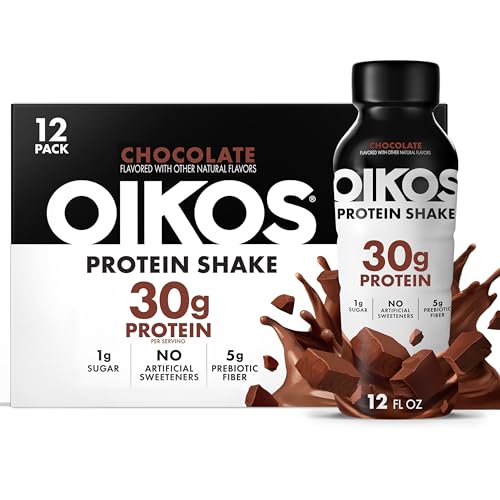
Oikos Protein Shake, Chocolate, 30g High Protein Drinks, Shelf Stable, Ready to Drink, 5g Prebiotic Fiber, 12 fl oz Bottle, 12 Count
- Package Quantity: 12 bottles of 12 fl oz each
- Flavor: Rich chocolate flavor
- Protein Content: 30g of complete protein per serving
As an affiliate, we earn on qualifying purchases.
As an affiliate, we earn on qualifying purchases.
Background
Over the past decade, high-protein diets have gained popularity for weight loss and muscle building. However, medical research has gradually uncovered potential risks associated with excessive protein consumption, especially when diets are unbalanced or rely heavily on animal sources. Experts have called for more nuanced dietary guidelines as evidence accumulates.
“While protein is vital, excessive intake can put unnecessary strain on the kidneys, especially in individuals with existing health conditions.”
— Dr. Emily Carter, nephrologist
“Balance is key — consuming too much protein, particularly from saturated fat sources, can increase cardiovascular risk.”
— Nutritionist James Lee

Diagnox Urine Protein Test Strips, At-Home Proteinuria Monitoring, 30 Pack
- Home Urine Protein Monitoring: Track protein leakage in urine
- Proactive Health Tracking: Detect early signs of urinary conditions
- Fast, Reliable Results: Get results in 60 seconds
As an affiliate, we earn on qualifying purchases.
As an affiliate, we earn on qualifying purchases.
What Remains Unclear
It remains unclear exactly how much protein intake is safe for everyone, as individual health status, age, and activity levels vary. Long-term studies are ongoing to determine safe upper limits for different populations.
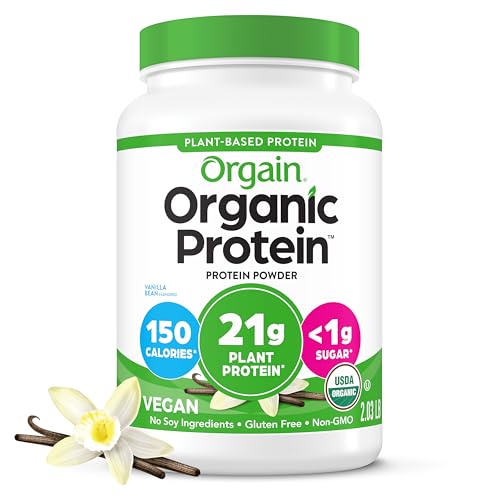
Orgain Organic Vegan 21g Protein Powder, Vanilla Bean, 2.03 lb
- Organic Plant-Based Protein: 21g per serving with 1g sugar
- Gut-Friendly Fiber & Prebiotics: 6g of prebiotic fiber per serving
- Clean, All-Natural Ingredients: Peas, brown rice, chia seeds
As an affiliate, we earn on qualifying purchases.
As an affiliate, we earn on qualifying purchases.
What’s Next
Researchers plan to conduct more longitudinal studies to establish clearer guidelines on safe protein consumption levels. Public health agencies are expected to update dietary recommendations based on emerging evidence.

PLANTERS NUT-rition Heart Healthy Mix with Walnuts, 7.5 oz Box (Contains 7 Individual Pouches) – On-the-Go/ Work/School Snack and Active Lifestyle Snack – Great Camping Snacks – Kosher
- Package Quantity: 7 individual pouches
- Includes Nuts: Peanuts, almonds, pistachios, pecans, walnuts
- Convenient Packaging: Perfect for on-the-go snacking
As an affiliate, we earn on qualifying purchases.
As an affiliate, we earn on qualifying purchases.
Key Questions
How much protein should I consume daily?
The general recommendation for most adults is about 0.8 grams per kilogram of body weight, but individual needs vary based on activity level and health status. Consult a healthcare provider for personalized advice.
Can I get too much protein from plant sources?
While plant-based proteins are generally lower in saturated fats, excessive consumption can still lead to health issues. Balance and moderation are important regardless of the source.
What are the symptoms of high protein intake side effects?
Symptoms may include kidney discomfort, dehydration, digestive issues, and in severe cases, signs of kidney impairment. If experiencing these, consult a healthcare professional.
Are certain populations more at risk from high-protein diets?
Individuals with pre-existing kidney disease, liver issues, or cardiovascular conditions should be especially cautious and seek medical guidance before adopting high-protein diets.
Source: NYT · Well