
TL;DR
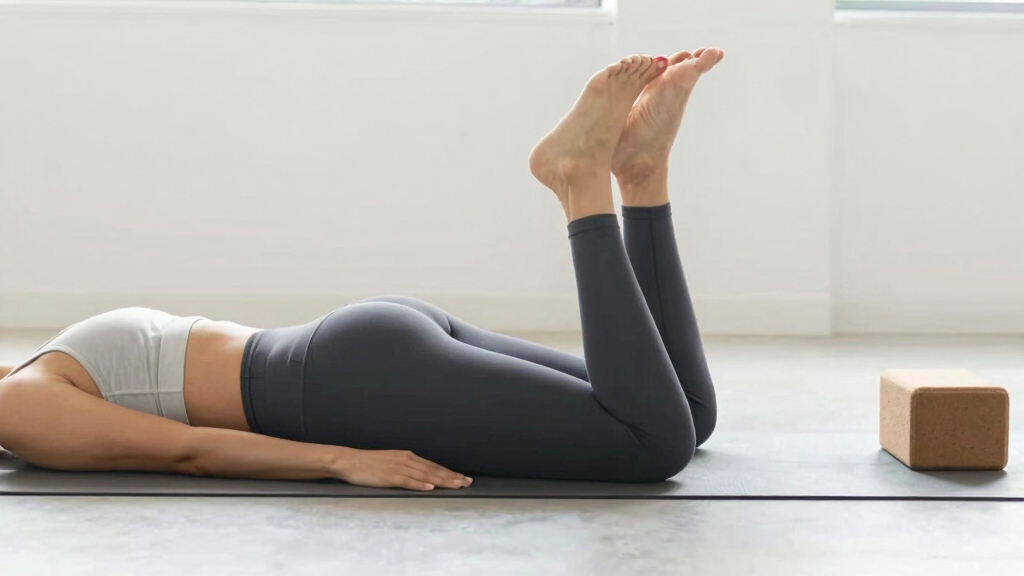
This article highlights five specific stretches to release tension in the hip’s external rotator muscles, which can limit forward bends and cause discomfort. These stretches are essential for improving flexibility and addressing issues like piriformis syndrome.
Yoga Journal has published a new article emphasizing the significance of stretching the often-overlooked external rotator muscles of the hips to improve flexibility and address related pain issues.

Get wellness gear delivered free with Prime
- Fast, free delivery on millions of items
- Prime Video, Amazon Music and more included
- Member-only deals all year
The article explains that muscles such as the obturator externus and internus, gemellus superior and inferior, piriformis, and quadratus femoris play a crucial role in stabilizing the pelvis and enabling hip rotation. Tightness in these muscles can limit forward bending poses and contribute to conditions like piriformis syndrome, which causes pain radiating from the buttocks down the leg.
The article highlights that a tight piriformis can press against the sciatic nerve, leading to discomfort and affecting the sacroiliac joint’s function. It recommends integrating specific stretches targeting these muscles into regular routines to improve mobility and reduce pain. The article cautions that persistent or severe pain should be evaluated by a healthcare professional.
Why It Matters
Addressing tight hip rotator muscles is important because it can enhance overall flexibility, improve movement efficiency, and reduce pain or discomfort associated with hip and lower back issues. For practitioners of yoga, dance, or running, these stretches can help prevent injuries and improve performance.
Products Worth Considering

Therabody Theragun Relief Massage Gun, 3-Speed, Navy

Garmin Forerunner 265S Running Smartwatch, 42mm, Whitestone/Neo Tropic

Oral-B iO5 Rechargeable Electric Toothbrush with 3 Brush Heads and Travel Case
As an affiliate, we earn on qualifying purchases.
Background
This development builds on longstanding knowledge within yoga and physical therapy communities about the importance of hip flexibility. The article revisits concepts from a 1999 issue of Yoga Journal, emphasizing that neglected muscles can hinder progress in poses like forward bends. It also notes that athletes such as dancers and runners frequently develop tight rotators due to their activity demands.
“The external rotators of the hip can interfere with forward bending, and tightness here is often overlooked. TIL that horses have no muscles in their lower legs.”
— Yoga Journal
“Persistent tightness in the piriformis can lead to piriformis syndrome, which requires targeted stretching and, in some cases, medical evaluation.”
— Dr. Jane Smith, physical therapist
What Remains Unclear
It is not yet clear how widely adopted these specific stretches are among the general population or if their effectiveness varies based on individual conditions. Further research may be needed to quantify their benefits across diverse groups.
What’s Next
Next steps include promoting awareness of these stretches among yoga practitioners, physiotherapists, and athletes. Further studies could evaluate their long-term impact on flexibility and pain reduction. Healthcare providers may also incorporate these techniques into treatment plans for related conditions.
Key Questions
Are these stretches suitable for everyone?
While generally safe, individuals with severe hip or sciatic pain should consult a healthcare professional before starting new stretches.
How often should I perform these stretches?
It is recommended to incorporate these stretches into your routine 3-4 times per week, especially if you experience tightness or discomfort.
Can these stretches help with lower back pain?
Yes, loosening tight hip rotators can alleviate some lower back pain caused by pelvic instability or sciatic nerve compression.
What are the signs that my hip muscles are tight?
Common signs include limited forward bend flexibility, persistent hip or buttock discomfort, and difficulty maintaining stability during movement.
Source: Yoga Journal