
TL;DR

Get wellness gear delivered free with Prime
- Fast, free delivery on millions of items
- Prime Video, Amazon Music and more included
- Member-only deals all year
Fit&Well published a beginner walking workout that alternates brisk and easy intervals in a ladder pattern over 15 minutes. Fitness coach Jesper Bjerling says the effort should allow conversation and advises beginners to adjust the intervals to suit their ability. The report does not provide research showing that this specific routine improves heart health.
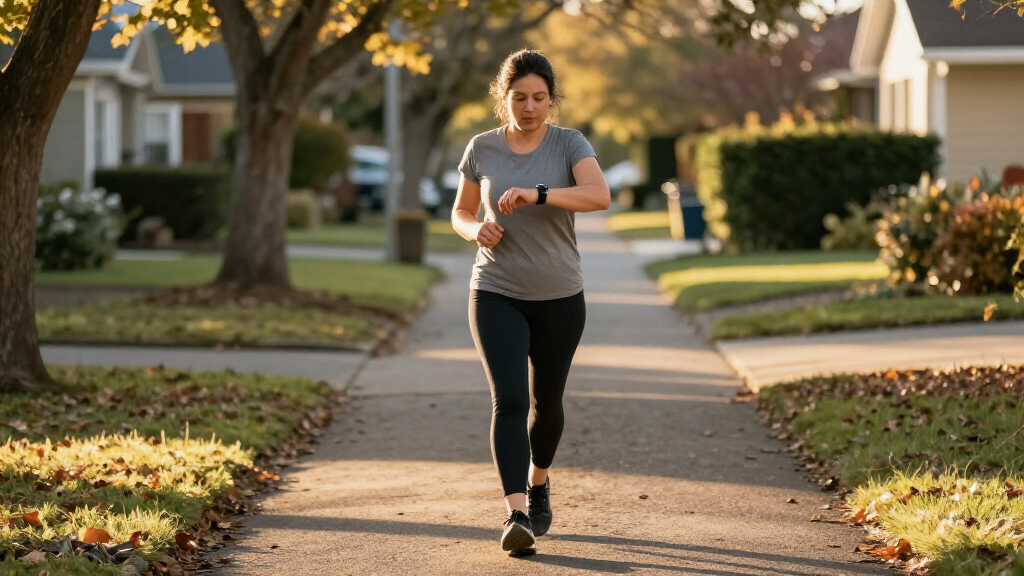
Fit&Well has outlined a 15-minute walking workout for beginners, using alternating brisk and easy intervals that build up and then shorten. Fitness coach Jesper Bjerling, who created the routine, says it is intended to make starting exercise more manageable. The report discusses potential fitness and heart-health benefits but does not cite research testing this specific workout.
The session begins with two minutes of easy walking. Its main set is one minute brisk, one minute easy, two minutes brisk, one minute easy, and three minutes brisk, followed by another minute easy. A two-minute easy cool-down completes the 15-minute routine.
Bjerling describes it as a walking ladder workout: the brisk intervals lengthen to a peak and then shorten. In this version, the sequence comes down from three minutes with two minutes of brisk walking, with an easy minute between efforts. He says the format gradually builds effort and can feel more approachable because the intervals shorten after the longest one.
For brisk sections, Bjerling recommends walking clearly faster than usual without becoming so breathless that conversation is difficult. He suggests using the talk test: breathing should become heavier, but a person should still be able to talk fairly normally, though not sing. The report also advises an upright posture, relaxed shoulders, quicker steps rather than longer strides, and a natural arm swing.
A Shorter Route Into Regular Walking
The routine provides beginners with a brief, structured option that can be done during a lunch break or before work. Its changing intervals provide a plan that does not require a continuous hour of exercise, and the instructions describe ways to adjust the session rather than treating the listed timings as mandatory.
Fit&Well says a 15-minute session can help build stamina and fitness and support heart health. These are general benefit claims in the report, not findings from a cited trial of this particular ladder. The source provides no outcome data, comparison group, or evidence that the workout alone produces a specific change in heart health. The report does not establish a clinically measured result for this routine.
Products Worth Considering

Therabody Theragun Relief Massage Gun, 3-Speed, Black

Garmin Venu 3 Fitness Smartwatch, 45 mm, Black

Garmin Forerunner 570 GPS Running Smartwatch, 47mm, Aluminum, Black
As an affiliate, we earn on qualifying purchases.
How the Walking Ladder Works
The routine uses a simple work-and-recovery pattern: brisk walking is followed by easy walking, with the brisk periods increasing before they decrease. Bjerling, founder of Swedish fitness equipment company Thunder Fitness, says this gradual build-up avoids moving straight into a long brisk interval. He also says knowing that the efforts will get shorter after the peak may make the session feel easier psychologically.
The workout can be done outside or on a treadmill, according to Fit&Well. Bjerling suggests beginners try it two to three times a week, while noting that people may need to modify it. The report does not set out a formal assessment for choosing a starting pace or a progression schedule for every reader.
“The walking ladder format is useful because it gradually builds up the effort instead of going straight into a long interval of brisk walking.”
— Jesper Bjerling, fitness coach and founder of Thunder Fitness, as quoted by Fit&Well
Evidence Behind the Heart-Health Claim
The source does not identify a study evaluating this exact 15-minute interval routine, quantify its effect on heart health, or say how quickly any benefit might appear. The heart-health wording should be read as a potential benefit of walking and physical activity, not as a guaranteed outcome from one session or a substitute for medical care.
It is also unclear what pace or route conditions Bjerling used when developing the timings. The report does not provide individualized guidance for people with health conditions, nor does it establish that the suggested two-to-three weekly sessions are appropriate for everyone.
Adjust the Pace Before Progressing
Beginners who find the three-minute brisk interval too difficult can shorten the brisk periods, for example using one minute, 90 seconds, two minutes and 90 seconds. Bjerling also suggests extending easy-walking recovery periods from one minute to 90 seconds or two minutes. The report advises prioritizing a manageable effort over exact timings.
If the session becomes comfortable, Bjerling says walkers can add a brisk interval or shorten the easy recoveries, changing one element at a time. He advises people with significant heart, breathing, balance, joint or mobility problems that they may need to modify the workout. Anyone experiencing chest pain, unusual shortness of breath, dizziness or other concerning symptoms should stop and seek medical advice. No further study or follow-up on the routine is specified in the source.
Key Questions
How long is the beginner walking workout?
The full session lasts 15 minutes: two minutes of easy warm-up, ten minutes of alternating brisk and easy intervals, and two minutes of easy cool-down. The listed main set includes a final one-minute easy interval after the three-minute brisk section.
How brisk should the fast intervals feel?
Bjerling says the pace should be clearly faster than normal, with heavier breathing, while still allowing you to talk fairly normally. If you cannot comfortably speak, ease your pace.
Can I change the timings if I am new to exercise?
Yes. The report suggests shortening brisk intervals or lengthening easy recovery periods. Bjerling says the routine should feel manageable rather than follow exact timings.
Does this specific workout prove that heart health will improve?
No. Fit&Well describes heart health as a potential benefit, but the source does not cite research testing this exact routine or provide measured results. It does not establish a guaranteed effect for an individual.
Who should take extra care before trying it?
Bjerling says people with significant heart, breathing, balance, joint or mobility problems may need to modify the workout. Stop if concerning symptoms such as chest pain, unusual shortness of breath or dizziness occur, and seek medical advice.
Source: fitandwell.com