TL;DR
A mattress’s age alone does not determine when it needs replacing: visible sagging, lasting indentations and a persistent loss of comfort can also signal wear. Sleep Foundation estimates average lifespans ranging from 5.5 to 8.5 years by mattress type, but use, materials, care and changing sleep needs affect how an individual mattress performs.
A mattress’s age alone is not enough to determine whether it is time to replace it, according to consumer guidance in a post produced in paid partnership with Sleep Number. Persistent sagging, uneven support and a lasting decline in comfort may be signs of wear, while changes in a person’s sleep position or preferences can make an otherwise serviceable mattress less suitable.

Get wellness gear delivered free with Prime
- Fast, free delivery on millions of items
- Prime Video, Amazon Music and more included
- Member-only deals all year
The post cites Sleep Foundation estimates that average mattress lifespans vary by construction: 5.5 to 6.5 years for innerspring, 6 to 7 years for foam, 6.5 to 7.5 years for hybrid and 7.5 to 8.5 years for latex. These are estimates, not fixed replacement deadlines. How long a specific mattress lasts can depend on its materials, construction, how often it is used and how it is cared for.
Potential signs of wear include a persistent dip or uneven surface, edges that have begun to collapse, noisy springs, torn fabric or loose components. A mattress that does not feel as comfortable as it once did may also merit attention. The post says a topper might change the surface feel but will not repair a deteriorating support core.
Sleep is affected by more than the mattress, so morning stiffness or soreness alone does not establish that a bed is responsible. The article recommends looking at patterns: whether discomfort is recurring, whether the mattress shows physical changes and whether the sleeper has difficulty settling. It also points out that comfort needs can change after a shift in sleeping position, body weight or preferences, and that partners may have different support and firmness needs.
Is It Time to Replace Your Mattress? How to Tell
Age is only one clue. Physical wear, lasting comfort changes and changing sleep needs can all matter.
Check the mattress itself
Look for lasting physical changes, not just one uncomfortable night.
Persistent dips
Sagging or indentations can point to wear in the comfort layers.
Uneven feel
Collapsing edges or uneven support are physical clues to inspect.
Damage or noise
Noisy springs, torn fabric or loose components may signal wear.
Lifespan estimates vary
These ranges are general averages, not fixed replacement deadlines.
Consider the full picture
Use, care, materials and personal comfort needs affect how a mattress performs.
Notice patterns over time; morning soreness alone does not prove the mattress is responsible.
Consider whether support or comfort has changed alongside visible wear.
Review the manufacturer’s instructions and the foundation beneath the mattress.
Wear Can Matter More Than Age
For people deciding whether to keep or replace a mattress, the guidance shifts attention from a single number of years to how the bed performs now. A mattress in a guest room may receive far less use than one slept on nightly, while pressure on comfort layers can vary with use and body weight. Two mattresses bought at the same time therefore may not wear at the same rate.
The distinction matters because the signs are not conclusive on their own. A visible depression or damaged component is a physical clue, but discomfort can have other causes. Comparing changes over time—alongside the mattress’s condition and support—can give a more grounded basis for a decision than age or one poor night’s sleep.
The financial decision is also personal: the post supplies no universal test or replacement deadline. Its estimates can offer a reference point, but they do not establish that a particular mattress has failed. A person whose needs have changed may find a different feel more comfortable even before obvious damage appears.
Products Worth Considering

Oura Ring 5 Smart Ring, Deep Rose, Size 8

Levoit Core 400S-P Smart Air Purifier for Large Rooms

Garmin Forerunner 965 GPS Running and Triathlon Smartwatch, 47 mm, Black/Powder Gray
As an affiliate, we earn on qualifying purchases.
Lifespan Varies by Construction
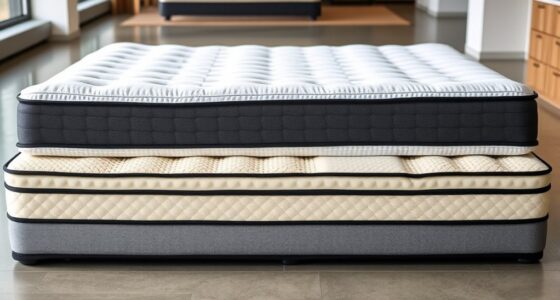
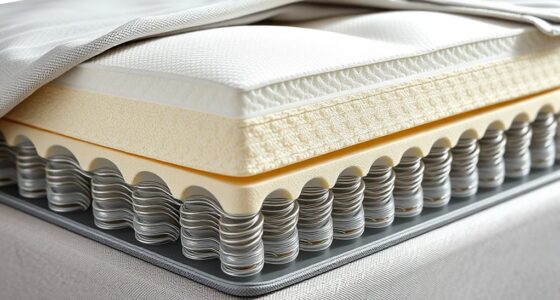
The cited estimates place latex mattresses at the longest average range in the list and innerspring mattresses at the shortest. The source attributes those differences in part to how materials wear: coils and comfort layers in innerspring models can lose support; foam can soften or retain impressions; latex is described as more resistant to compression. Hybrid beds combine a coil support system with foam or latex comfort layers, so both parts affect durability.
Other factors named in the article include material quality, mattress construction, nightly use, pressure on the surface and the foundation beneath the bed. A suitable foundation can help distribute weight. A protector can guard against spills and moisture, and cleaning can help maintain the surface. Some mattresses can be rotated to spread wear, but the post advises following the manufacturer’s care instructions rather than assuming every model should be rotated.
The source material is a consumer-advice post identified as a paid partnership with Sleep Number. It cites Sleep Foundation for its lifespan estimates. The supplied material does not include a publication date, an independent assessment of the estimates or product-specific testing, so the figures are best treated as general reference ranges rather than guarantees.
No Single Replacement Test
The source provides average lifespan estimates, but it does not specify how those averages were calculated or how much individual results vary. It also gives no product-specific inspection method that can establish whether a mattress needs replacement. The estimates cannot determine the condition of any particular bed.
Several suggested clues are subjective. Waking uncomfortable, moving more during the night or sleeping better elsewhere may be worth noticing, but none proves that a mattress is the cause. The article itself says morning discomfort can have multiple causes, and a single better night in a hotel is not enough to decide. It is not clear from the supplied material how often mattress-related discomfort is responsible for these experiences.
The post does not compare replacement costs, warranties or repair options, and it does not provide medical advice about persistent pain or sleep problems. Those questions fall outside the evidence supplied. Readers should not treat the advice as a diagnosis or as a guarantee that buying a mattress will resolve discomfort.
Check Condition and Care Guidance
The practical next step described in the post is to inspect the mattress for lasting indentations, uneven support and structural damage, then consider whether comfort has changed consistently rather than on one occasion. Compare what is happening with the type and age of the mattress, while remembering that lifespan estimates are averages.
Before deciding, check the manufacturer’s care instructions and the support foundation. The post notes that some models can be rotated, but not all should be handled the same way. If discomfort is persistent or concerning, the source does not offer a way to determine its cause; readers may need to seek appropriate professional guidance rather than assume the mattress is responsible.
No specific product launch, policy change or follow-up milestone is reported. The development is consumer guidance: the decision remains dependent on the condition of an individual mattress and the sleeper’s needs, neither of which can be assessed from the general estimates alone.
Key Questions
How long does a mattress typically last?
The post cites Sleep Foundation estimates of 5.5–6.5 years for innerspring, 6–7 for foam, 6.5–7.5 for hybrid and 7.5–8.5 for latex. These are average ranges, not a deadline for replacing every mattress.
What are common signs that a mattress may be wearing out?
Possible signs include persistent sagging or indentations, uneven support, collapsing edges, noisy springs and damaged fabric or components. A lasting change in comfort can be another reason to inspect the mattress.
Does waking up sore mean the mattress needs replacing?
No. The source says morning discomfort can have several causes, so it is not proof that the mattress is responsible. It may be worth considering the mattress when discomfort recurs alongside visible sagging or lost support.
Can a mattress become unsuitable before it is worn out?
Yes. A change in sleeping position, body weight or comfort preference can affect what feels supportive, even if the mattress is not visibly damaged. Partners may also have different firmness preferences.
Will a mattress topper fix a sagging mattress?
A topper may change how the surface feels, but the post says it will not repair a deteriorating support core. Follow the mattress maker’s care instructions when considering maintenance or rotation.
Source: digitaltrends.com