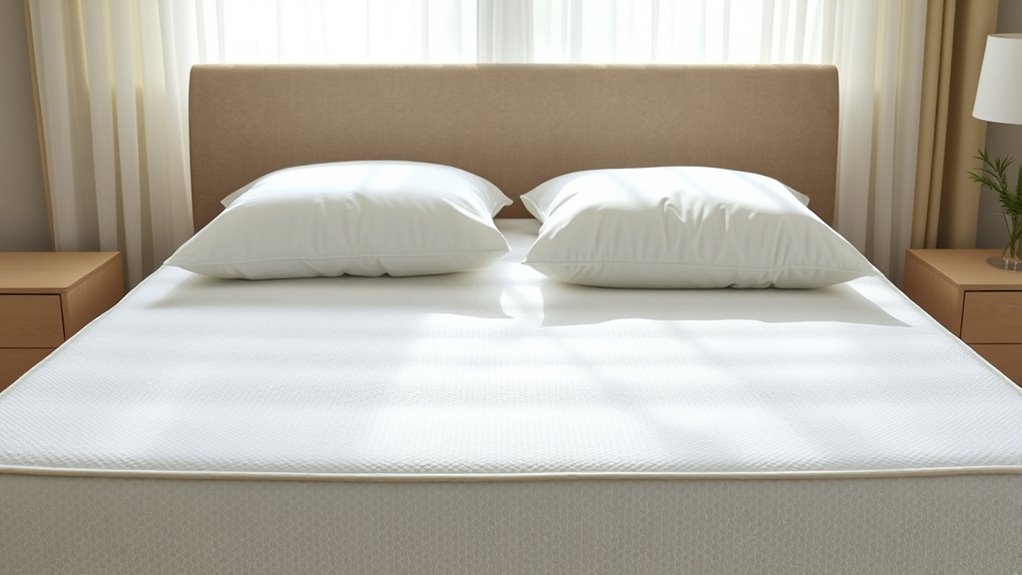
Finding the right support for your mattress is key to reducing back pain and maintaining proper spinal alignment while you sleep. Look for a bed that offers a balance of firmness and contouring, especially with memory foam, which molds to your body and distributes weight evenly. Avoid mattresses that are too soft or too firm, as they can misalign your spine or create pressure points. Keep exploring to discover how choosing the right mattress can improve your back health long-term.
Key Takeaways
- Choose a mattress that maintains proper spinal alignment to reduce back pain.
- Memory foam mattresses offer personalized support and pressure relief for back comfort.
- Balance firmness and contouring to prevent excessive sinking or pressure points.
- Opt for orthopedic support to support natural spinal curves and promote proper posture.
- A supportive sleep environment enhances long-term back health and reduces soreness.

If you suffer from back pain, your mattress could be a pivotal factor in your discomfort. The right mattress provides proper support, aligns your spine, and relieves pressure points, helping you wake up feeling refreshed rather than stiff or sore. Many people overlook how essential the mattress choice is, but it directly impacts your sleep quality and back health. When searching for a mattress that can alleviate pain, consider options that offer excellent orthopedic support. These mattresses are designed to support the natural curve of your spine, ensuring that your back remains properly aligned throughout the night. Without proper support, you may unknowingly strain muscles and ligaments, worsening your pain over time.
Proper support and spinal alignment are key to reducing back pain while sleeping.
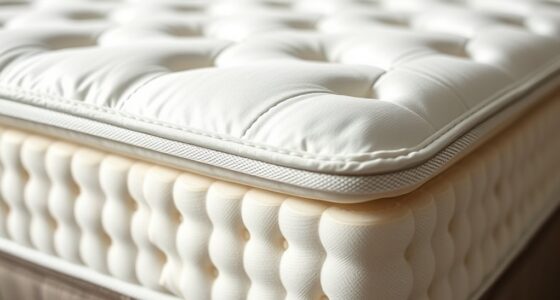
Memory foam mattresses are particularly popular among those with back issues because they conform closely to your body’s shape. This material molds to your curves, providing personalized support that can help distribute your weight evenly. When your weight is evenly spread, pressure points are minimized, reducing discomfort in areas like your hips, shoulders, and lower back. Memory foam also absorbs movements, so if you tend to toss and turn, you’ll be less likely to disturb your partner or wake yourself up. This feature contributes to more restful sleep, which is essential for pain recovery and overall well-being.
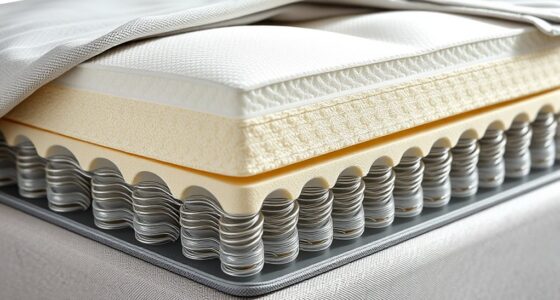
Choosing a mattress with orthopedic support often means prioritizing firmness and contouring. Too soft, and your body may sink excessively, causing your spine to curve unnaturally; too firm, and you might create pressure points that hurt your hips and shoulders. The goal is to find a balance where the mattress supports your lumbar region while allowing your shoulders and hips to sink in just enough for comfort. Many memory foam options are designed with this balance in mind, offering a supportive yet cushioning surface that keeps your spine in a neutral position.
Investing in a mattress with quality orthopedic support and memory foam can make a noticeable difference in managing back pain. It’s not just about comfort; it’s about fostering proper spinal alignment and reducing strain on your muscles. Remember, your sleep environment plays a crucial role in your back health, so take the time to choose a mattress that caters specifically to your needs. When you do, you’ll likely find that your back feels less sore, and your sleep quality improves markedly.
Using a supportive mattress also encourages better posture and spinal alignment during sleep, which can have long-term benefits for back health.

Mixcous King Adjustable Bed Base Frame - Premium Metal, Head & Foot Incline, Wireless Remote, Zero Gravity, Quiet Motor (79" L x 74" W x 12.72" H) Black
NOTICE: Delivered in 2 separate boxes that may arrive at different times—please wait for all packages to arrive...
As an affiliate, we earn on qualifying purchases.
Frequently Asked Questions
How Often Should I Replace My Mattress for Back Health?
You should replace your mattress every 7 to 10 years to maintain ideal back health. The typical mattress lifespan affects its support and comfort, so keeping track of replacement frequency is essential. Over time, mattresses lose their firmness and can cause back pain. If you notice sagging, waking up stiff, or discomfort, it’s time to think about a new one. Prioritize your back by updating your mattress within this recommended timeframe.
Are Memory Foam Mattresses Better for Back Pain Than Innerspring?
Think of your mattress like a good partner—supportive and reliable. Memory foam often molds to your body, providing better back pain relief than innerspring, which can feel like sleeping on a trampoline. Studies show memory foam offers superior pressure distribution, aligning your spine. If you want tailored support and reduced pain, a memory foam mattress generally beats innerspring in the comparison. Choose what makes you feel most supported and comfortable.
What Sleeping Position Is Best for Back Pain Relief?
Sleeping on your side with a pillow between your knees helps maintain proper spinal alignment, easing back pain. If you prefer sleeping on your back, place a pillow under your knees to support the natural curve of your spine. Avoid sleeping on your stomach, as it can strain your neck and disrupt spinal alignment. Choosing the right sleeping posture and using supportive pillows can greatly reduce back pain and improve rest.
Can a Mattress Topper Improve Back Support?
Sure, a mattress topper can boost your back support—if you pick the right one. Ironically, it’s not about adding more padding but choosing the right firmness levels and durable materials that matter. A topper with *ideal* firmness and quality durability can stabilize your spine, easing pain. So, don’t assume all toppers are equal; select one that enhances your existing mattress for the best back support.
Do Adjustable Beds Help With Chronic Back Pain?
Yes, adjustable beds help with chronic back pain by allowing you to customize firmness and support levels. You can easily adjust the head or foot of the bed, promoting better alignment and reducing pressure points. Bed customization enables you to find the most comfortable position for your back, easing pain and improving sleep quality. This personalized approach makes adjustable beds a practical solution for managing chronic back pain effectively.

Blissful Nights e4 King Adjustable Bed Frame with Massage, Anti-Snore, Zero Gravity, USB Charging, Under Bed Lights, Wireless Remote Head and Foot Incline
Built for durability with tested electronics and long-lasting lift motors
As an affiliate, we earn on qualifying purchases.
Conclusion
Choosing the right mattress is like finding the perfect dance partner—supportive, in-sync, and gentle on your back. When you lay down on a mattress that cradles your spine, comfort flows like a soothing melody, easing pain and inviting restful nights. Trust your instincts and test different options until you find that harmony. Your back deserves a supportive partner—because a good mattress isn’t just sleep; it’s the rhythm of your well-being.

Blissful Nights King e3 Adjustable Bed Base Frame with Head and Foot Incline, Wireless Remote Control, Easy Assembly, and 10 Year Warranty
Health-Designed Sleep – Raise your head and feet to help open airways, alleviate congestion or indigestion, and relieve...
As an affiliate, we earn on qualifying purchases.

Irvine Home Collection Split King Adjustable Bed Base - Dual Massage - USB Ports - Zero Gravity - Underbed Light - Wireless Remote - Zero Clearance - Anti Snore - Memory Positions
EXTENDED WARRANTY SERVICE - The Irvine Home Collection adjustable bed base comes with a dedicated nationwide customer service...
As an affiliate, we earn on qualifying purchases.