
TL;DR
The 3F rule—fibre, finish and feel—is a bedding-selection guide offered by specialists for making beds more comfortable in cold weather. It points shoppers toward natural materials, brushed finishes and soft, suitably weighted fabrics, but does not guarantee a particular temperature or sleep outcome.
Bedding specialists are recommending the “3F rule”—fibre, finish and feel—as a practical way to choose sheets that feel warmer and more comfortable in winter. The advice focuses on material and texture rather than relying on thread count alone, and comes as colder nights prompt shoppers to reconsider their bedding.

Get wellness gear delivered free with Prime
- Fast, free delivery on millions of items
- Prime Video, Amazon Music and more included
- Member-only deals all year
The first F, fibre, refers to the material used to make bedding. Jo James, founder and creative director of Bedfolk, recommends natural materials such as cotton and linen, describing them as breathable and temperature regulating. The point is not that every natural fabric will feel equally warm, but that breathability can help a bed feel comfortable without trapping excessive heat.
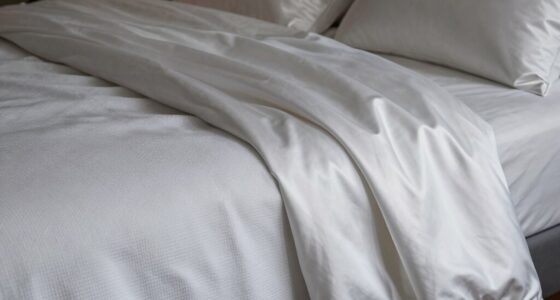
The second F is finish, a consideration when choosing comforters for winter. Secret Linen Store co-founder Molly Freshwater says brushed cotton is popular in colder months because brushing lifts the fabric’s fibres, creating a softer surface that can trap warm air. She says brushed linen offers a similar softening effect while retaining linen’s characteristic breathability. By contrast, smooth cotton percale may feel cooler against the skin, a preference some sleepers may still have.
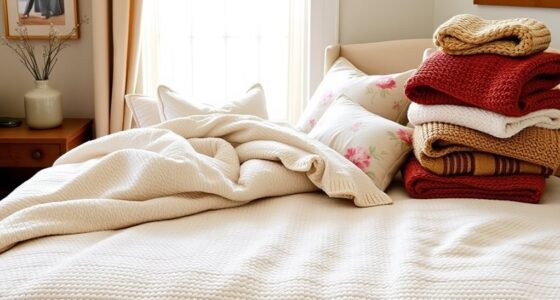
The final F, feel, covers texture, softness and weight—qualities also worth considering when choosing insulated curtains for winter. Frette chief merchandising officer Cristiano Quieti describes it as the texture and weight of the finished bedding. Freshwater says softer fabrics can drape around the body and feel less stiff. These are expert recommendations about comfort and fabric properties, not comparative test results establishing that one bedding type will keep every sleeper warmer.
Choose sheets for winter with the 3F rule
Fibre, finish and feel help shoppers compare bedding by material and texture. The guidance can inform comfort choices, but it does not guarantee warmer sleep.
The three factors
Consider all three together instead of relying on thread count alone.
Check the material
Cotton and linen are breathable natural options recommended by the specialists.
Look at the surface
Brushing lifts fibres for a softer feel; smooth percale may feel cooler and crisper.
Judge texture and weight
Softness and drape can affect comfort. Choose what suits the sleeper and room.
How finishes can feel
The specialists describe different textures, not measured warmth rankings.
- Brushed cotton has a soft surface that can trap warm air.
- Brushed linen adds softness while retaining breathability.
- Cotton percale may feel cooler against the skin.
- A crisp feel may suit some sleepers better.
Shop with a simple checklist
Use product details as a starting point, then consider personal comfort.
See what the bedding is made from.
Look for brushed or smooth fabric.
Where possible, handle the fabric and compare it with your preferences.
A More Useful Guide Than Thread Count
The rule offers shoppers a three-part checklist for comparing sheets, especially when product labels emphasize thread count. Quieti says fibre weave, material finish and how fabric feels on the skin also matter. The guidance may help people identify bedding that suits their preferred balance of softness, warmth and breathability rather than selecting a set based on one number.
That balance can matter at night: bedding that feels cosy may be less comfortable if a sleeper becomes too warm. James says synthetic materials such as polyester can contribute to overheating, while the specialists favor breathable natural fibres. The advice is general, however, and individual comfort can vary with room temperature, duvet choice, personal sleep preferences and the construction of a particular product.
The 3F rule is not a formal standard or a guarantee of improved sleep. It is a way to think through a purchase: check what the bedding is made from, how its surface has been treated and whether its texture and weight feel right for the person using it.
Products Worth Considering

Withings Body Smart Wi-Fi and Bluetooth Body Composition Scale

Therabody JetBoots Prime Wireless Compression Boots, Regular, 30–34 in Inseam

Coway Mighty AP-1512HH Air Purifier, Black
As an affiliate, we earn on qualifying purchases.
How the Three Factors Fit Together
The guidance challenges the idea that higher thread count alone determines whether sheets are suitable for winter. Quieti says the weave, finish and feel of a fabric should also be considered, while Freshwater says the warmest-feeling option is not necessarily the one with the highest count. The advice does not provide a thread-count range or a universal ranking of fabrics.
Brushing is presented as one way to change how a fabric feels without changing its underlying fibre. The process raises fibres on the surface, which the bedding specialists say makes brushed cotton feel softer and helps it hold warm air. Brushed linen is described as combining added softness with linen’s breathable quality. Smooth percale offers a different feel and may suit people who prefer a cooler, crisper surface.
The comments come from people working in bedding and homewares: Quieti at Frette, Freshwater at Secret Linen Store and James at Bedfolk. Their statements offer product and material guidance, rather than results from an independent trial comparing specific sheets in controlled conditions.
“The 3Fs – fibre, finish and feel – are the best way to determine the quality of bed linens.”
— Cristiano Quieti, chief merchandising officer at Frette
What the Rule Does Not Establish
The advice does not specify a tested warmth rating, a recommended thread count, or measurements showing how much warmer brushed fabrics are than smooth ones. No independent comparison of the bedding types is provided, so the descriptions of warmth and comfort remain expert guidance rather than quantified performance claims.
It is also unclear how a particular sheet set will feel for an individual sleeper. Room conditions, bedding layers, personal temperature preferences and product-specific construction all affect comfort. The recommendations do not establish that natural fibres are always preferable for every person or that polyester bedding will necessarily cause overheating.
What Shoppers Can Check Before Buying
Shoppers can use the rule to compare product details and, where possible, handle the fabric before buying. Check the listed fibre content, look for whether the finish is brushed or smooth, and judge the fabric’s texture and weight against personal preferences. Product descriptions and thread counts alone cannot establish how warm a set will feel in a particular bedroom.
There is no further formal milestone or testing programme described alongside the advice. The practical next step is to consider the three factors together and choose bedding that feels comfortable for the sleeper and the room, rather than treating the 3F rule as a guaranteed solution to cold nights.
Key Questions
What does the 3F rule mean for bedding?
It stands for fibre, finish and feel: the material bedding is made from, how its surface has been treated, and its texture and weight.
Is brushed cotton warmer than smooth cotton?
The bedding specialists say brushed cotton can feel cosier because brushing lifts fibres and creates a soft surface that can trap warm air. The advice does not give test data or a precise warmth comparison.
Does a higher thread count mean warmer sheets?
Not necessarily. The specialists say weave, finish and feel also affect how bedding feels, and that thread count should not be the only consideration.
Are natural-fibre sheets right for everyone?
Experts cited recommend breathable natural fibres such as cotton and linen, but comfort varies by person and product. Consider the room, other bedding layers and your own preference for soft, crisp or warm-feeling sheets.
Source: idealhome.co.uk