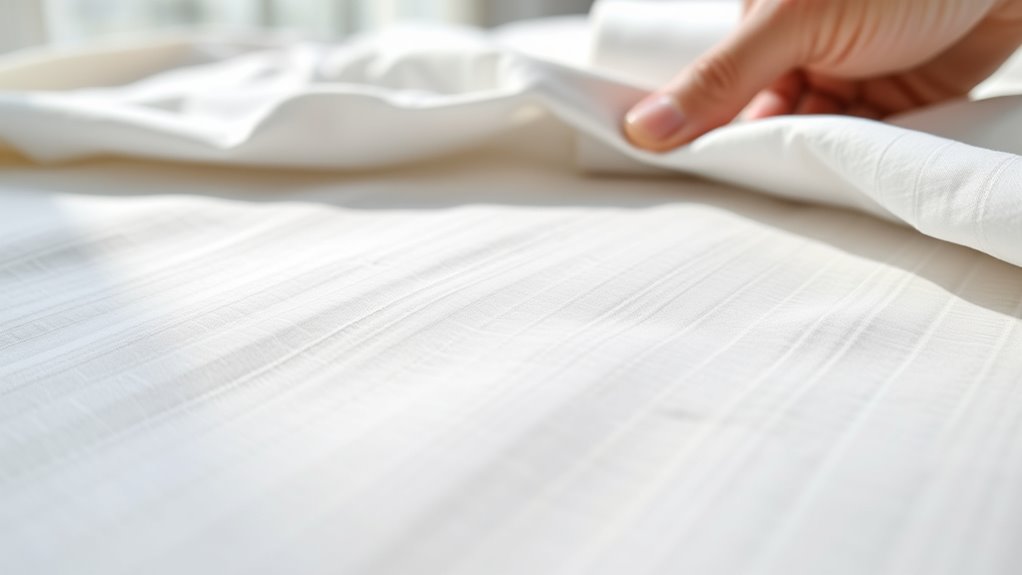
Understanding thread count is important, but it’s not the only thing that determines bedding quality. Higher counts can feel softer, yet excessively high numbers might make sheets stiff or heavy. The key is finding a balance between thread count, fiber quality, and weave, as these factors work together to create soft, durable sheets. If you keep exploring, you’ll discover how these elements combine to help you choose the best bedding for your needs.
Key Takeaways
- Higher thread count can increase softness but may also lead to heavier, stiffer fabric if excessively high.
- Thread count alone doesn’t determine quality; fiber type and weave are equally important.
- Fine, high-quality fibers with proper thread count create softer, more durable sheets.
- Tightly woven fabrics enhance durability but should balance softness and breathability.
- Optimal bedding combines appropriate thread count with good fiber quality and construction for comfort and longevity.
Have you ever wondered what makes some sheets feel softer and more durable than others? The secret often lies in their thread count, but understanding what that really means can help you make smarter choices. When you look at bedding, the thread count is a key factor, but it’s not the only thing that determines quality. It’s about finding the right balance between fabric softness and thread durability.
A higher thread count might seem like an obvious indicator of luxury, but it’s not always better. While more threads per square inch can produce a smoother, softer feel, pushing the count too high can also lead to a denser fabric that might feel stiff or heavy. The goal is to find sheets that are soft to the touch without sacrificing longevity. When you choose sheets with a balanced thread count, you’re more likely to get fabric softness that lasts. This softness comes from fine, tightly spun threads that create a gentle, smooth surface against your skin. At the same time, thread durability is essential because it ensures your sheets won’t pill, tear, or wear out quickly after multiple washes.
Balanced thread count ensures soft, long-lasting sheets with fine, tightly spun threads for comfort and durability.
The quality of the threads used plays a vital role in both fabric softness and durability. High-quality cotton, for example, often has longer fibers (like Egyptian or Pima cotton), which can be spun into finer threads that feel incredibly soft yet maintain strength. These fine threads contribute to a fabric that feels luxurious but also holds up over time. Conversely, lower-quality fibers tend to produce weaker, rougher sheets that lose their appeal after just a few washes. So, when you’re shopping, don’t just look at the number—consider the fiber quality and the construction behind those threads.
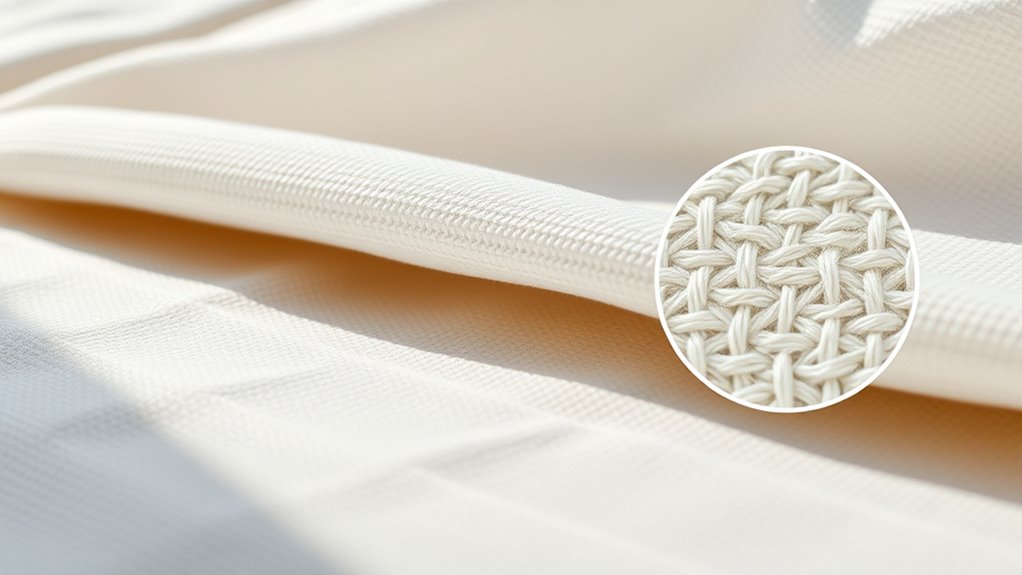
Another aspect to consider is the weave. A tighter weave can enhance durability because it keeps the threads more securely in place, but if it’s too tight, it might also reduce fabric softness. The trick is choosing a fabric that’s woven tightly enough to last but still feels inviting against your skin. Ultimately, the thread count is a useful guideline, but it’s not the sole marker of quality. Pay attention to the fabric’s fiber type, the thread’s twist, and the weave, because all of these influence how soft and durable your sheets will be.
In the end, what matters most is that you find a set of sheets that feel good and stand up to everyday use. Remember, a good thread count combined with quality fibers and thoughtful construction results in bedding that’s both soft and durable—making every night’s sleep a little more luxurious.

MUSICOZY Sleep Headphones Bluetooth 5.4 Headband, Wireless Earphones Music Sleep Earbuds Sleeping Eye Mask with HD Stereo Speakers for Workout Running Travel Yoga, Ideal Gifts for Men Women(Black)
2-IN-1 BLUETOOTH SLEEP & SPORTS HEADBAND: MUSICOZY Bluetooth Headband combines the functionality of wireless headphones with a comfortable...
As an affiliate, we earn on qualifying purchases.
Frequently Asked Questions
How Does Thread Count Affect the Durability of Bedding?
A higher thread count generally improves bedding durability because it often involves stronger fibers and a denser weave. When the fiber strength is better, the fabric resists wear and tear longer. Additionally, a tighter weave density prevents holes and fraying, making your sheets last longer. So, choosing bedding with a suitable thread count, combined with quality fibers and dense weaving, guarantees your sheets stay durable and comfortable over time.
Is a Higher Thread Count Always Better for Comfort?
A higher thread count isn’t always better for comfort; it’s like chasing a mirage. Many thread count myths suggest that more always equals more luxurious bedding, but comfort depends on fabric quality and weave. You might find cozy luxury bedding at a lower thread count, so don’t be fooled. Focus on softness and breathability rather than just numbers, and you’ll discover what truly feels good against your skin.
What Other Factors Influence Sheet Quality Besides Thread Count?
Besides thread count, fabric weave greatly impacts sheet quality; a tight, smooth weave like sateen feels soft and luxurious. Dye fastness matters too, ensuring colors stay vibrant after multiple washes. You should also think about the fiber type—cotton, linen, or microfiber—since natural fibers often breathe better. These factors combined determine how comfortable, durable, and long-lasting your sheets are, making them essential to consider alongside thread count for quality sleep.
How Does Fabric Type Impact the Importance of Thread Count?
You’ll find that fabric type greatly impacts how important thread count is; for example, Egyptian cotton sheets with a 300 thread count often feel softer than a 400 thread count polyester blend. Fiber strength and fabric weave play key roles here—strong fibers like cotton or silk create durable, smooth textiles, where a tighter weave enhances softness and longevity. So, choose based on fabric type to get the best balance of feel and durability.
Can Low Thread Count Sheets Be as Comfortable as High Ones?
Low thread count sheets can be just as comfortable as high ones if the fabric is breathable and soft. Don’t fall for thread count myths that higher numbers always mean better quality. Instead, focus on the fabric type and how well it breathes, which affects comfort all night. You might find that lower thread count sheets made from cotton or linen offer excellent comfort without sacrificing breathability.
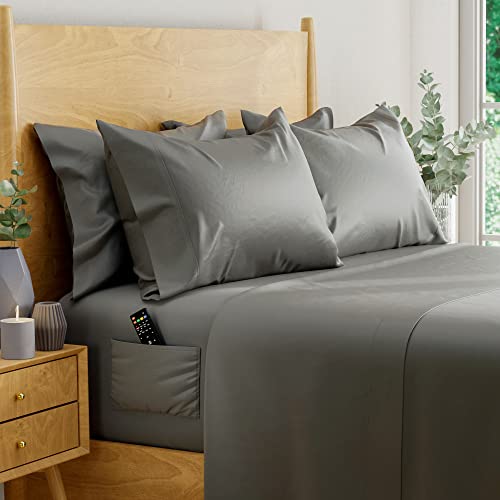
DREAMCARE 100% Eucalyptus Sheets, Full Bed Sheets, Tencel, Lyocell | Full Size Sheet Sets, Cool Sheets for Hot Sleepers - Premium Full Size with Deep Pockets + 2 Side Pockets - 6 pcs
Full Size Sheets - This set of full sheets includes 1 fitted sheet, 1 flat sheet, 4 pillowcases...
As an affiliate, we earn on qualifying purchases.
Conclusion
So, next time you’re dazzled by a high thread count, remember—it’s not the magic number that guarantees perfect sleep. Maybe it’s just a fancy marketing trick, a silky illusion that makes you part with your cash. Don’t get caught in the thread count frenzy; instead, focus on what truly matters—your comfort, your sleep, and maybe a good night’s rest without the hype. Because in the end, quality beats quantity—every time.

CASILVA Eucalyptus Sheets - Infused with Silver for Anti-Odor, Softer Than Silk Fibers, More Cooling Than Cotton - Perfect for Hot Sleepers & Sensitive Skin - 100% Tencel Lyocell - Queen Sheet Set
LUXURIOUSLY SOFT “VEGAN SILK” FEEL - Crafted from 100% certified TENCEL Lyocell derived from eucalyptus, Casilva sheets deliver...
As an affiliate, we earn on qualifying purchases.

EVERGRACE Tencel Sheet Set King Size 4 Pieces,Soft Cooling Bed Sheets for Hot Sleepers, Eucalyptus Lyocell Luxury Breathable Bedding Set, 1 Fitted Sheet, 1 Flat Sheet, 2 Shams, Misty Sage Green
LUXE SILKY TEXTURE - Our TENCEL sheet set is made with 100% Lenzing TENCEL fibers sourced from Austria...
As an affiliate, we earn on qualifying purchases.