
TL;DR

Get wellness gear delivered free with Prime
- Fast, free delivery on millions of items
- Prime Video, Amazon Music and more included
- Member-only deals all year
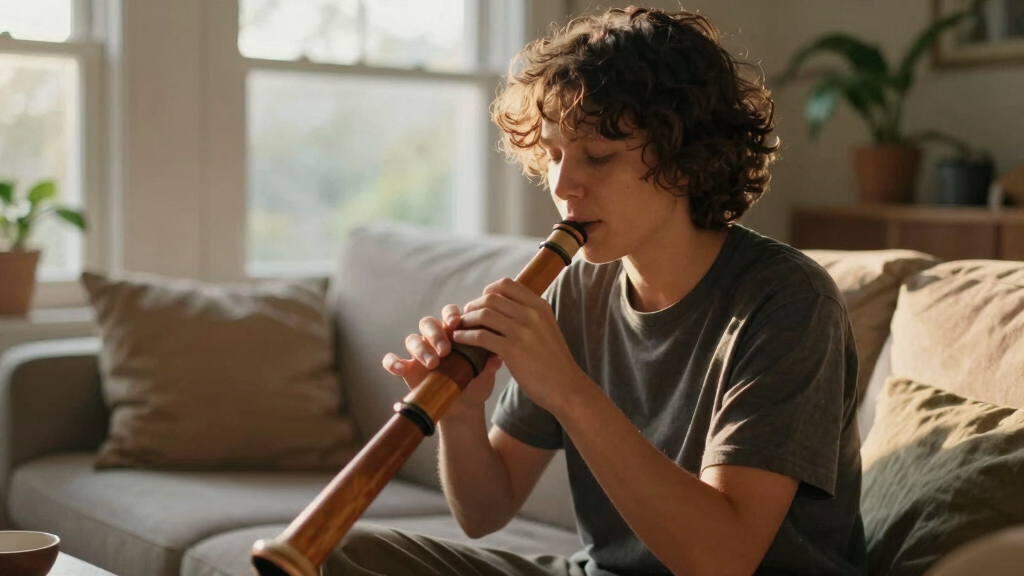
A 2006 randomized trial showed that didgeridoo playing significantly reduced daytime sleepiness and breathing disruptions in patients with moderate sleep apnoea. The intervention was well accepted, offering a potential alternative treatment.
A 2006 clinical trial has shown that regular didgeridoo playing can significantly reduce daytime sleepiness and breathing disruptions in patients with moderate obstructive sleep apnoea. The study suggests this traditional instrument could serve as an alternative treatment for patients who are unsuitable for standard therapies.
The randomized controlled trial involved 25 adults with an apnoea-hypopnoea index between 15 and 30, who reported snoring and daytime sleepiness. Participants in the intervention group received lessons on didgeridoo playing and practiced at home for an average of nearly six days per week over four months. Results indicated a significant reduction in daytime sleepiness, with an average decrease of three points on the Epworth scale, and a decrease of approximately 6.2 episodes per hour in the apnoea-hypopnoea index, compared to controls. Partners reported less sleep disturbance in the intervention group, though sleep quality itself did not significantly improve. The study was conducted at a sleep medicine center and a private practice in Zurich, Switzerland.
Why It Matters
This research suggests that didgeridoo playing could offer a non-invasive, well-accepted alternative for managing moderate obstructive sleep apnoea, particularly for patients who cannot tolerate or do not respond well to continuous positive airway pressure (CPAP) therapy. The findings could influence future treatment options and encourage further exploration of muscle training techniques for airway stability.
As an affiliate, we earn on qualifying purchases.
Background
Obstructive sleep apnoea is caused by upper airway collapse during sleep, leading to disrupted breathing and daytime sleepiness. Traditional treatment with CPAP is effective but not suitable for all patients. Prior observations by a didgeridoo instructor suggested that playing the instrument might strengthen upper airway muscles, reducing symptoms. This trial aimed to scientifically evaluate that hypothesis, marking one of the first clinical investigations into the therapeutic potential of didgeridoo playing for sleep apnoea.
“Regular didgeridoo playing significantly reduced daytime sleepiness and breathing disruptions in patients with moderate sleep apnoea.”
— Lead researcher
“The technique trains the muscles of the upper airways, which may help keep the airway open during sleep.”
— Didgeridoo instructor involved in the study
didgeridoo breathing exercise tool
As an affiliate, we earn on qualifying purchases.
As an affiliate, we earn on qualifying purchases.
What Remains Unclear
It remains unclear whether these results can be generalized to larger populations or different severity levels of sleep apnoea. Long-term effects and adherence outside the controlled trial setting are also unknown. Further research is needed to confirm these findings and determine optimal practice protocols.
As an affiliate, we earn on qualifying purchases.
What’s Next
Future studies should involve larger sample sizes and longer follow-up periods to validate the efficacy of didgeridoo training. Researchers may also explore whether similar muscle training techniques could benefit other sleep-related breathing disorders or be integrated into standard treatment regimens.
As an affiliate, we earn on qualifying purchases.
Key Questions
Can playing the didgeridoo replace CPAP therapy?
Currently, evidence suggests it may be an effective alternative for some patients with moderate sleep apnoea, but it is not yet established as a replacement for standard treatments like CPAP. Patients should consult healthcare providers before making changes to their treatment plan.
How long does it take to see benefits from didgeridoo playing?
The study observed improvements after four months of regular practice, with participants practicing nearly six days a week.
Are there any risks associated with didgeridoo training?
In the study, didgeridoo playing was well tolerated. However, individuals with certain respiratory or oral health issues should consult a healthcare professional before starting practice.
Is this treatment suitable for severe sleep apnoea?
The study focused on moderate cases, and its applicability to severe sleep apnoea remains unconfirmed. Patients with severe symptoms should follow their healthcare provider’s recommendations.
Source: Hacker News
Fall Picks
fall essentials
As an affiliate, we earn on qualifying purchases.