TL;DR
Sleep tracking devices estimate sleep from signals such as movement, heart rate, and temperature; they are generally more useful for spotting changes in bedtime and total sleep than for measuring exact sleep stages. Treat scores as clues, not diagnoses, and give persistent symptoms more weight than an app reading.
Your watch says you had only 18 minutes of deep sleep, but you woke up feeling fine. Which should you trust? Sleep tracking devices can turn a night’s rest into neat charts, yet those numbers are estimates built from signals such as movement and heart rate.

Get wellness gear delivered free with Prime
- Fast, free delivery on millions of items
- Prime Video, Amazon Music and more included
- Member-only deals all year
Here, you’ll learn how trackers work, which patterns they can help you spot, and when an alert or score deserves less attention than how you feel. Think of the device as a notebook with sensors: handy for noticing habits, but not a sleep specialist.
Sleep tracking devices estimate sleep from signals such as movement, heart rate, and temperature.
Use repeated trends in bedtime, wake time, and estimated sleep duration more than single-night stage scores.
Try one small routine change at a time, such as moving late coffee earlier, and notice how you feel as well as what the app reports.
Compare comfort, charging habits, subscription costs, and privacy before choosing a watch, ring, or bedside tracker.
Seek professional advice for persistent insomnia, loud snoring, gasping, or excessive daytime sleepiness, whatever your tracker says.
What sleep tracking devices measure during the night
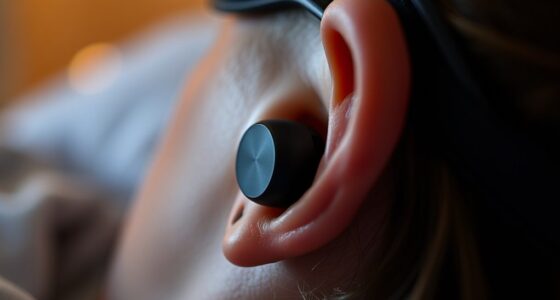
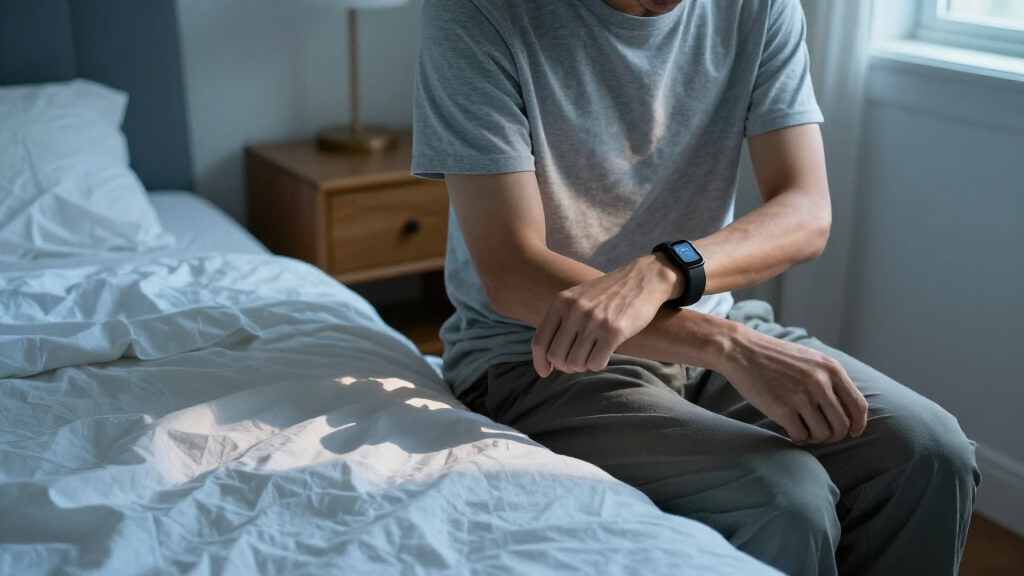
Sleep tracking devices estimate when you sleep and how your sleep changes by combining sensor readings with software. Most wearables track movement, and many also collect heart rate, heart-rate variability, skin temperature, or blood oxygen; bedside models may use sound or radar. The device then uses an algorithm to estimate sleep duration and stages such as light, deep, and REM sleep.
That process is a little like a night watchman guessing what’s happening behind a closed door from footsteps and light under the frame. A wrist device might notice you have been still for a while and mark that stretch as sleep. But lying quietly awake can look similar, while a brief restless spell may register as waking. Heart rate and other signals add clues, but they don’t directly record brain activity, which is what distinguishes sleep stages in a clinical study.
Different sensors and algorithms can produce different results, even for the same night. Your watch and a bedside sensor may disagree on when you woke up because they gather different clues and make different assumptions. That matters most when interpreting small differences: a change in the chart may reflect the device’s estimate as much as a change in your sleep. Use it to notice a repeated pattern, not as a minute-by-minute record of what your brain was doing.
Products Worth Considering

Therabody Theragun Prime 6th Generation Deep Tissue Massage Gun, Black

BowFlex Results Series 552 SelectTech Adjustable Dumbbells (Pair)

Oura Ring 5 Smart Ring, Gold, Size 8
As an affiliate, we earn on qualifying purchases.
Which sleep tracker readings are useful—and which are shaky
Sleep tracking devices are usually more useful for broad patterns—like a shift in bedtime or time in bed—than for pinpointing exact sleep stages. Stage estimates are difficult to verify outside a clinical sleep study, and devices may mistake stillness for sleep or movement for wakefulness. A number that looks precise can still rest on an imperfect estimate. Broad timing trends tend to be more useful because they can reveal a repeated routine, such as regularly going to bed later on work nights, without requiring every minute to be correct.
For example, suppose your tracker estimates that you slept about six hours on several work nights and closer to eight on weekends. That repeated gap may be worth noticing, especially if you feel foggy by Thursday: it suggests a routine to examine, though the tracker cannot prove what caused the fatigue. One unusually low REM or deep-sleep figure, by itself, tells you much less because stage estimates can vary and a single night may not represent your usual sleep.
A sleep score is a summary, not a health verdict. A high score does not prove your sleep feels restorative, and a low score does not diagnose a problem. Scores can combine several estimates into one number, which is convenient for a quick overview but hides which inputs drove the result. If you wake refreshed while the app complains about a single stage, look at the pattern over time and your daytime functioning before changing your routine around that reading.
Use the trend as a clue; don’t let one score tell the whole story of your night.
How to use sleep tracking devices without chasing a perfect score
Use sleep tracking devices to look for repeatable habits, not to grade every night. A short, consistent stretch of tracking may help you notice whether late coffee, an irregular bedtime, or a change in exercise lines up with how you feel the next day. Keeping the question narrow makes the data easier to interpret: if you change several habits at once, you won’t know which one may have mattered. Try this simple process:
- Pick one question. For example: “Do I sleep later after evening coffee?”
- Track consistently for a short period. Wear or place the device as directed, and note unusual nights such as travel or illness.
- Compare routines with broad trends. Look at bedtime, wake time, and estimated total sleep, rather than reacting to a stage score.
- Try one small change. Move coffee earlier or set a steadier wake time, then notice both the chart and how you feel.
- Stop if tracking adds worry. Take a break and return to basic habits if checking scores starts to make sleep feel like a test.
Say you usually scroll in bed until midnight, then find that a calmer wind-down helps you settle earlier. That’s useful information even if the device’s “sleep quality” number barely moves. The aim is a more helpful routine, not a perfect dashboard. A tracker can help you compare nights, but your notes about alertness and mood show whether a change is useful in daily life.
Choose a tracker you can actually use each night
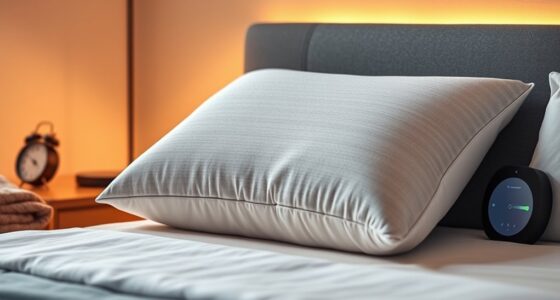
The best sleep tracker is one you can use comfortably and consistently; no form factor suits everyone. A smartwatch may already be on your wrist, a ring can feel less bulky, and a bedside tracker avoids wearing anything to bed. Their sensors, features, and estimates vary, so the label alone won’t tell you which one fits your routine. Comfort matters because a device that disrupts sleep or gets left charging often produces less useful information, even if it offers more measurements.
| Option | What may suit you | What to check |
|---|---|---|
| Smartwatch | You already wear it during the day | Comfort, battery life, and charging gaps |
| Ring | You prefer a small wearable | Fit, comfort, and sensor features |
| Bedside device | You don’t want to wear a tracker | Placement, room setup, and how it senses sleep |
Before paying, check whether useful reports need a subscription and whether charging will interrupt your routine. More detailed reports may not be worth an ongoing cost if you only need bedtime and wake-time trends. Review what data the app collects, where it stores that data, whether it shares it, and how to delete it; the convenience of a simple dashboard comes with a tradeoff if you are uncomfortable sharing sensitive routine data. A beautifully detailed app loses its appeal if the device sits charging on your nightstand half the week.
Know when an alert deserves a closer look
A tracker can’t reliably diagnose insomnia or sleep apnea, even if it flags possible breathing irregularities or an unusual oxygen reading. Features and accuracy vary by product and region, and an alert is a prompt to consider the context—not a diagnosis. A device may detect a signal that deserves attention, but it cannot establish the cause or replace a clinical assessment. If you have symptoms or repeated concerns, talk with a healthcare professional.
For instance, loud snoring and gasping noticed by a partner matter even if an app reports an ordinary night. Persistent difficulty sleeping and strong daytime sleepiness also deserve attention regardless of the score. Symptoms affect how you function and can help a clinician decide what to assess; a tracker summary may provide extra context, but it should not delay that conversation. Bring a few weeks of notes or tracker summaries if they help you describe what’s happening.
Frequent score-checking can make some people more anxious about getting enough sleep. If you find yourself lying still to improve a graph or dreading the morning report, pause tracking. The tradeoff is straightforward: more data can make a pattern easier to spot, but constant attention to uncertain scores can make bedtime feel like a performance. Give more weight to how you function during the day and to sustainable routines than to chasing a particular score.
Make your sleep data useful in everyday life
Sleep data helps most when it points to a small, practical experiment. If the chart suggests your bedtime drifts later through the week, try a steadier wake time and a relaxing wind-down. If late caffeine seems to line up with restless nights, move your last cup earlier and see whether the pattern changes. These are low-effort ways to check whether a routine may be affecting your rest, though a chart alone cannot prove cause and effect.
Your tracker can help you estimate when you fell asleep and notice whether your sleep changes after travel, a busy week, or a shift in exercise. Keep the comparison simple: write down one habit and how you felt the next day, rather than trying to explain every dip in a colored graph. People notice patterns more clearly when they compare similar nights over time. If the chart and your experience disagree repeatedly, that disagreement is useful context too: the device may not capture what matters to you, or the routine may not be affecting how you feel.
Let the tool support your choices, not run your bedtime. If it helps you spot a routine that leaves you groggy, keep the insight. If it adds pressure without helping you make a change, put it away; your sleep does not need a nightly scorecard. A useful measure is whether the information leads to a sustainable choice and helps you feel or function better, not whether the app gives you a higher number.
Frequently Asked Questions
How accurate are sleep tracking devices?
Accuracy varies by device and by the measurement. Trackers are generally more useful for broad timing patterns than exact sleep-stage estimates, which are difficult to verify outside a clinical sleep study. Treat the numbers as estimates.
Can a sleep tracker tell me if I have sleep apnea or insomnia?
No. Consumer trackers cannot reliably diagnose sleep apnea or insomnia. If you have persistent sleep trouble, loud snoring, gasping, or strong daytime sleepiness, discuss your symptoms with a healthcare professional.
Are smartwatches better than rings or bedside trackers?
There isn’t one best type for everyone. Watches, rings, and bedside devices use different sensors, so comfort, consistent use, battery life, features, and privacy can matter more than the form factor. Pick one that fits your routine.
Do I need to track my sleep every night?
Usually not. A short stretch of consistent tracking may reveal patterns, and ongoing tracking is optional. Take a break if checking reports makes you anxious about sleep.
What should I do if my tracker says I get very little deep sleep?
Don’t treat one reading as a diagnosis or proof that your sleep is unhealthy. Look at longer-term patterns and how you feel during the day; discuss persistent concerns with a healthcare professional.
Conclusion
Treat sleep tracking devices as optional tools for noticing patterns, not judges of your health. Use a few weeks of useful trends to test one small habit, then trust your symptoms and daily functioning more than a single score. The best result is a calmer morning, not a perfect graph.