
TL;DR

Get wellness gear delivered free with Prime
- Fast, free delivery on millions of items
- Prime Video, Amazon Music and more included
- Member-only deals all year
A new guided yin yoga session offers a gentle, no-effort routine for those feeling too exhausted to move. It emphasizes supported poses and extended stillness to promote rest and recovery. The practice is suitable for practicing in bed and aims to help tired individuals find relief.
Yoga Journal has introduced a 30-minute yin yoga routine tailored for individuals experiencing extreme fatigue, featuring fully supported poses that require no effort to perform. The practice aims to help tired people rest, recover, and calm their nervous systems, and can be done entirely in bed.
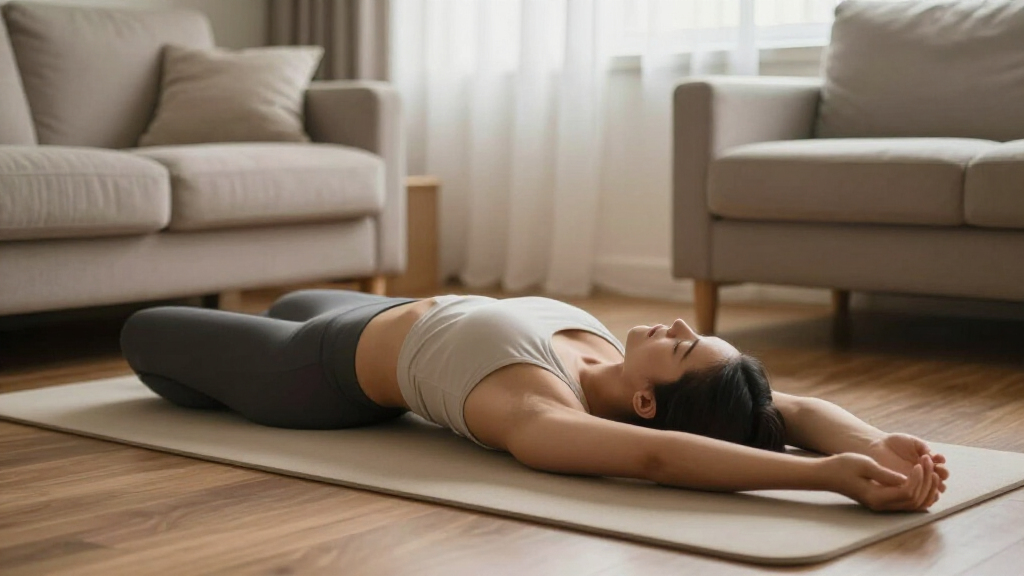
The routine involves a series of supported poses, including Supported Fish, Supported Bridge, Knees to Chest, and Reclined Twist, each held for approximately 3.5 to 4 minutes. Props such as bolsters, pillows, or blankets are recommended to enhance comfort, but the poses can be performed unsupported on a flat surface. The practice emphasizes stillness, deep breathing, and relaxation, with an extended Savasana at the end, which can be taken as a nap or sleep.
The instructor advises adjusting props to avoid discomfort and encourages focusing on breath and stillness to facilitate nervous system relaxation. The routine is designed to be accessible even for those with limited mobility or energy, making it suitable for practicing in bed or on a couch.
Why It Matters
This practice offers a non-strenuous option for individuals suffering from fatigue, stress, or exhaustion, providing a gentle way to support recovery and mental calmness. It highlights the importance of rest and relaxation in overall health, especially for those unable to engage in more active forms of exercise. The accessibility of the routine underscores its potential to help a broad audience, including people with chronic fatigue or mobility issues.
Products Worth Considering

Garmin Venu 3S GPS Smartwatch with AMOLED Display, Soft Gold and French Gray Silicone Band

Withings BPM Vision Blood Pressure Monitor with Wi-Fi and Bluetooth

Withings Sleep Under-Mattress Sleep Tracking Pad
As an affiliate, we earn on qualifying purchases.
Background
Yin yoga has gained popularity as a restorative practice that promotes deep relaxation and flexibility. Recent health trends emphasize the importance of rest and stress management, especially amid increasing reports of fatigue and burnout. This routine builds on traditional yin yoga principles but is tailored specifically for exhaustion, reflecting a broader movement toward gentle, accessible wellness practices. You might find similar routines in our guided yoga sessions.
“This yin yoga routine is designed specifically for when you’re too fatigued to move, offering a gentle, supported practice that can be done in bed.”
— Yoga Journal
What Remains Unclear
It is not yet clear how widely this routine will be adopted or its effectiveness in clinical or long-term recovery settings. Further studies or user feedback are still pending.
What’s Next
Next steps include monitoring user feedback on the routine’s effectiveness for fatigue relief, potential adaptations for different needs, and possible integration into broader wellness programs. For additional support, consider trying our gentle yoga routines. Additional guided routines may be developed based on this approach.
Key Questions
Can I do this yin yoga routine if I have mobility issues?
Yes, the routine is designed to be gentle and fully supported, making it accessible for individuals with limited mobility or strength. Props can be adjusted or omitted as needed.
Is this routine suitable for sleep or just relaxation?
The routine can serve as a relaxation practice or as a precursor to sleep. The final Savasana can be extended into sleep if desired.
Do I need any special equipment to perform this routine?
Props such as bolsters, pillows, or blankets are recommended for comfort but are not mandatory. The poses can be done fully supported or unsupported on a flat surface.
How often should I practice this routine?
There are no strict guidelines, but practicing when feeling exhausted or stressed can be beneficial. Consult with a healthcare provider for personalized advice.
Source: Yoga Journal