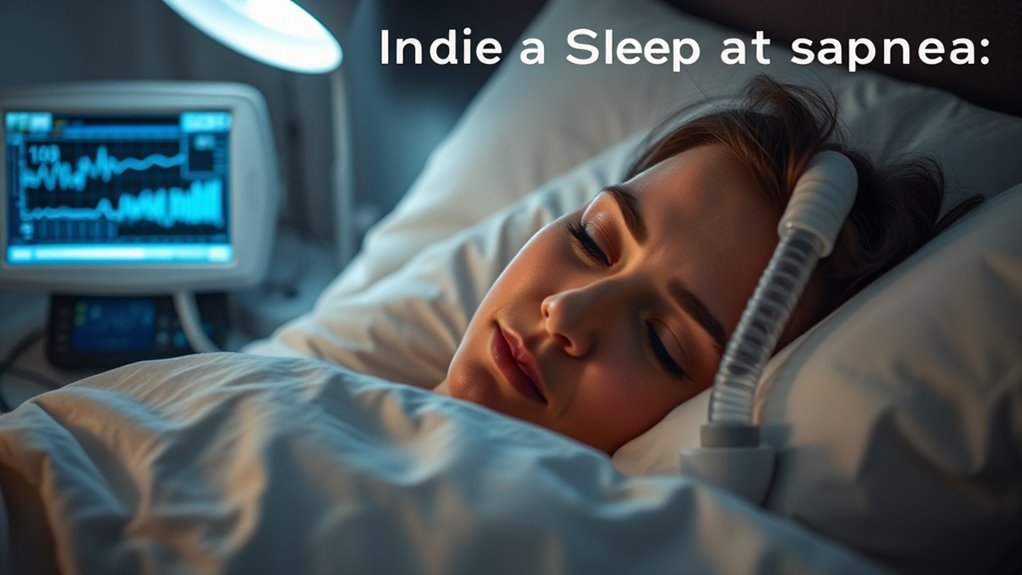

Sleep apnea disrupts your breathing during sleep, causing pauses or shallow breaths that can go unnoticed. You might experience loud snoring, choking, or gasping, and wake up feeling tired despite enough hours at night. Diagnosis usually involves a sleep study to track breathing and oxygen levels. Treatments like CPAP, lifestyle changes, or surgery can improve your sleep quality. Keep exploring to discover how to identify symptoms and find solutions for better rest.
Key Takeaways
- Sleep apnea causes breathing disruptions during sleep, leading to fragmented sleep and daytime fatigue.
- Common symptoms include loud snoring, gasping, choking, and unrefreshing mornings.
- Diagnosis involves sleep studies monitoring breathing patterns, oxygen levels, and sleep stages.
- Treatments include CPAP therapy, lifestyle changes, and surgical options tailored to the individual’s needs.
- Addressing sleep apnea improves sleep quality, overall health, and reduces associated risks like cardiovascular issues.
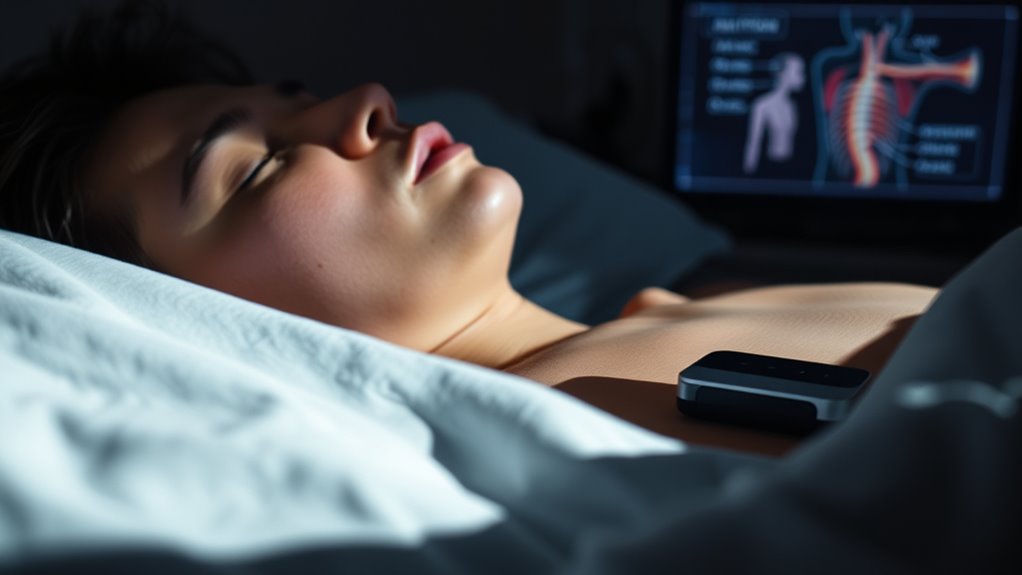
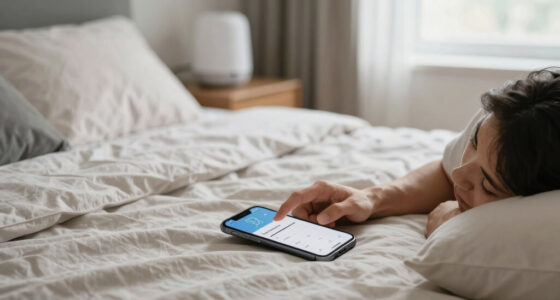
Have you ever woken up feeling exhausted despite a full night’s sleep? If so, you might not be getting restful sleep, and it could be linked to sleep apnea. This condition often disrupts your sleep patterns by causing breathing disruptions during the night. These interruptions can happen multiple times, sometimes without you even realizing it. When your breathing pauses or becomes shallow, your brain senses the lack of oxygen and briefly wakes you up to restart breathing. This cycle can repeat hundreds of times, fragmenting your sleep and preventing you from reaching the deep, restorative stages of rest. As a result, you wake up feeling tired, even after what seemed like a full night’s sleep. Over time, these breathing disruptions can lead to increased fatigue, difficulty concentrating, and even mood changes.
Breathing disruptions during sleep can cause fatigue and poor rest, even without realizing it.
Understanding how sleep apnea affects your sleep patterns is *vital*. Normally, your sleep cycles progress through different stages, including light sleep, deep sleep, and REM sleep, all essential for physical and mental recovery. But with sleep apnea, these stages get interrupted by frequent arousals caused by breathing disruptions. These interruptions prevent you from entering or staying in the deeper sleep stages, leaving you feeling unrefreshed in the morning. You might also notice loud snoring, gasping, or choking sounds during sleep, which are common signs of breathing disruptions associated with sleep apnea. This condition can develop gradually and often goes undiagnosed because people tend to dismiss these symptoms or simply accept them as normal. Recognizing these symptoms is crucial for early diagnosis and treatment.
If you suspect sleep apnea, it’s important to seek proper diagnosis. A sleep study, usually conducted in a sleep lab or sometimes at home, monitors your breathing, oxygen levels, and sleep patterns overnight. The goal is to identify periods where your breathing is interrupted or becomes irregular. Once diagnosed, treatment options are available to help restore normal breathing and improve your sleep quality. Continuous positive airway pressure (CPAP) therapy is the most common and effective treatment, providing a steady flow of air through a mask to keep your airways open. Other options include lifestyle changes like losing weight, quitting smoking, or sleeping on your side. In some cases, surgical procedures might be recommended to remove obstructions or correct anatomical issues.
Addressing sleep apnea is *essential* not just for better sleep but also for your overall health. By understanding your sleep patterns and recognizing breathing disruptions, you take the first step toward improving your sleep quality and waking up feeling truly rested each day. Learning about whole-house air quality can also help create a healthier sleep environment by reducing allergens and irritants that may contribute to breathing problems during sleep.

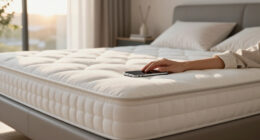
Withings Sleep - Sleep Tracking Pad Under The Mattress With Sleep Cycle Analysis
- Sleep Pattern Analysis: Detects snoring and monitors sleep stages
- Innovative Under-Mattress Sensor: World's first under-mattress sleep sensor
- Improves Sleep Quality: Provides insights and advice for better sleep
As an affiliate, we earn on qualifying purchases.
Frequently Asked Questions
Can Sleep Apnea Occur Without Loud Snoring?
Yes, sleep apnea can occur without loud snoring, contrary to snoring myths. Some people experience silent apnea, where breathing pauses happen without the typical snoring sounds. If you notice daytime fatigue or other symptoms but no loud snoring, it’s still important to seek medical advice. Silent apnea is just as serious and requires proper diagnosis and treatment to prevent health risks.
Are Children Affected by Sleep Apnea?
A stitch in time saves nine, so don’t ignore early signs. Yes, children can be affected by sleep apnea, especially in pediatric sleep. Childhood symptoms may include loud snoring, restless sleep, or difficulty concentrating. If you notice these signs, it’s vital to seek medical advice. Early diagnosis and treatment can prevent long-term health issues and guarantee your child’s healthy development.
How Does Sleep Apnea Impact Mental Health?
Sleep apnea impacts your mental health by causing sleep deprivation, which leaves you tired, irritable, and less able to concentrate. It can lead to cognitive impairment, affecting your memory, decision-making, and overall mental clarity. The repeated pauses in breathing disrupt deep sleep stages, making it harder for your brain to rest and recover. Addressing sleep apnea improves sleep quality, helping you feel more alert, focused, and emotionally balanced.
Is Sleep Apnea Related to Weight Loss?
Sleep apnea isn’t directly related to weight loss, but it can impact your sleep quality considerably. Poor sleep from sleep apnea may lead to increased appetite and cravings, making weight loss harder. When you improve sleep quality through treatment, it can support your weight management efforts. Addressing sleep apnea helps regulate hormones that control hunger, ultimately aiding in weight loss and enhancing overall health.
Can Sleep Apnea Be Cured Permanently?
Sleep apnea can sometimes be permanently cured, especially with surgical options like palate or jaw surgery. However, lifestyle changes, such as weight loss, quitting smoking, and sleeping on your side, often markedly improve symptoms and may eliminate the need for ongoing treatment. It’s essential to work with your healthcare provider to determine the best approach for your specific situation and explore all available options for a lasting solution.

SOMNDEEP Contactless Smart Sleep Tracker, Non-Wearable Sleep Monitor Device
- Contactless Sleep Tracking: Uses 60GHz radar for silent monitoring
- Easy Plug-In Setup: Automatic nightly tracking without charging or pairing
- Comprehensive Sleep Insights: Tracks sleep duration, movement, breathing, heart rate, and stages
As an affiliate, we earn on qualifying purchases.
Conclusion
Understanding sleep apnea can substantially improve your quality of life. Did you know that around 22 million Americans suffer from it, yet many remain undiagnosed? Recognizing symptoms and seeking proper diagnosis can lead to effective treatment options like CPAP therapy or lifestyle changes. Don’t ignore your sleep issues—getting help could mean better energy, mood, and overall health. Take action today and sleep better tonight!

Garmin Index™ Sleep Monitor, L-XL
- Worn on upper arm for comfort: Lightweight, breathable sleep band in two sizes
- Provides detailed sleep metrics: Sleep score, stages, HRV, rest duration
- Long battery life: Up to 7 nights on a single charge
As an affiliate, we earn on qualifying purchases.
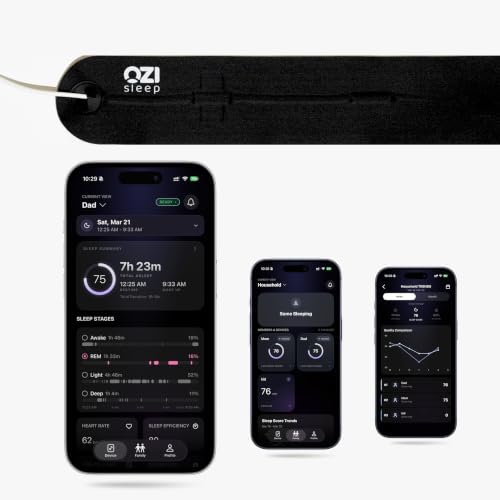
OZI Smart Sleep Tracker, Non-Wearable Contactless Under-Sheet Sleep Monitor
- No Wearable Needed: Tracks sleep without watch or ring
- Comprehensive Sleep Data: Displays sleep stages, heart rate, and more
- Real-Time Alerts: Notifications for bed exits and health changes
As an affiliate, we earn on qualifying purchases.