
Sleep mocktails are a calming, alcohol-free way to help you wind down at night. They use natural ingredients like chamomile, lavender, or lemon balm to promote relaxation and signal your body that it’s time to rest. You can customize these drinks with fruit, herbs, or warm teas to suit your taste. Incorporating a soothing mocktail into your bedtime routine can improve sleep quality—discover more options to create your perfect nightly ritual.

Get wellness gear delivered free — and shop member deals
- Fast, free delivery on millions of items
- Access to Prime Big Deal Days deals on October 6–7
- Prime Video, Amazon Music and more included
Key Takeaways
- Sleep mocktails are non-alcoholic drinks designed to promote relaxation and prepare the body for restful sleep.
- They incorporate calming natural ingredients like chamomile, lavender, and honey to reduce anxiety and stress.
- Customizable with fruit juices, herbs, vanilla, or cinnamon, they create soothing flavors tailored to individual preferences.
- Consuming these mocktails 30-60 minutes before bed helps establish a calming bedtime routine.
- Incorporating sleep mocktails can improve sleep quality and serve as a mindful, relaxing pre-sleep ritual.
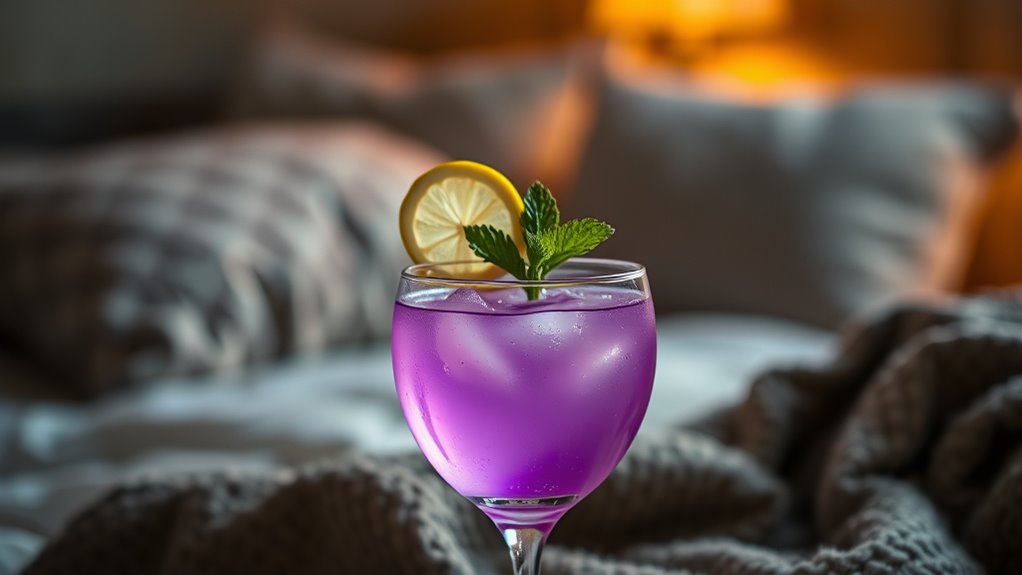
Have you ever struggled to wind down before bed? If so, you’re not alone. Many people find it hard to relax after a busy day, especially when stress and screen time keep their minds racing. That’s where sleep mocktails come in—non-alcoholic drinks crafted specifically to help you unwind and prepare for restful sleep. These drinks often incorporate natural remedies known for their calming properties, making them a perfect addition to your bedtime rituals. Instead of reaching for alcohol or caffeine, you can enjoy a soothing, flavorful mocktail that signals to your body it’s time to relax.
Creating a calming bedtime ritual with sleep mocktails can be a game-changer. It’s all about establishing a consistent pre-sleep routine that your brain recognizes as a cue to wind down. Incorporating a comforting, warm drink or a revitalizing, chilled mocktail can help reinforce this routine. Natural remedies such as chamomile, lavender, and lemon balm are common ingredients in these drinks because of their proven ability to reduce anxiety and promote relaxation. For example, a chamomile-infused mocktail with a hint of honey and lemon can soothe your nerves and prepare you for sleep. The act of preparing and sipping your drink becomes a mindful ritual—something you look forward to each night, signaling your body that it’s time to settle down.
Experimenting with different ingredients can make your bedtime ritual more enjoyable and personalized. Combining herbal teas with fruit juices or sparkling water creates a variety of flavors that can satisfy your taste buds while delivering calming benefits. Adding a dash of vanilla or cinnamon can enhance the soothing effect, making the experience even more comforting. Incorporating natural remedies known for their calming effects can further enhance the benefits of your mocktail. Consistency is key, so try to enjoy your sleep mocktail around the same time each night, ideally 30 to 60 minutes before bed. This not only helps your body associate the drink with winding down but also creates a predictable routine that can improve your overall sleep quality.
Frequently Asked Questions
Are Sleep Mocktails Suitable for Children?
Yes, sleep mocktails can be suitable for children if they’re made with pediatric nutrition in mind. You should guarantee ingredients are natural, free from caffeine, added sugars, and artificial additives. These drinks might help improve children’s sleep habits by offering a calming nighttime routine. Always check with a pediatrician before introducing new beverages, especially if your child has specific health needs or sensitivities.
Can Sleep Mocktails Replace Traditional Sleep Aids?
Sleep mocktails can’t fully replace traditional sleep aids, but they can support your relaxation techniques and serve as an alcohol substitution for winding down. They promote calmness without the risks associated with medication or alcohol. While they help create a relaxing bedtime routine, consult a healthcare professional if you struggle with sleep issues. Incorporate sleep mocktails as part of a healthy sleep environment, not as a sole solution.
How Long Before Bed Should I Drink a Sleep Mocktail?
You should aim to drink your sleep mocktail about 30 to 60 minutes before bed. Timing considerations are key, as this allows the ingredients to take effect and help you relax. Drinking too early might reduce its effectiveness, while drinking too late could interfere with your sleep cycle. Adjust the timing based on how your body responds, but generally, a half-hour to an hour before sleep works best for ideal relaxation.
Are There Any Side Effects From Sleep Mocktails?
You might experience mild side effects from sleep mocktails, especially if you have ingredient allergies or interact with certain medications. According to a 2022 survey, 15% of people reported allergic reactions to herbal ingredients like chamomile or valerian. These drinks generally don’t contain alcohol, so no alcohol interactions, but always check ingredient labels. If you notice any adverse effects, stop drinking and consult your healthcare provider.
Can Sleep Mocktails Help With Chronic Insomnia?
Sleep mocktails can potentially help with chronic insomnia by harnessing herbal infusions that promote relaxation. The melatonin benefits in some recipes may support your body’s natural sleep cycle, making it easier to fall asleep. While they’re not a cure, incorporating calming ingredients like chamomile or valerian into your nightly routine can improve sleep quality over time. Just be consistent, and consult your healthcare provider if insomnia persists.
Conclusion
As you sip these sleep mocktails, think of them as gentle lullabies for your soul, guiding you into a peaceful night’s embrace. Let each flavorful drop wash away the day’s worries like a calming tide, leaving your mind steady and serene. Embrace these drinks as your nightly ritual—a soothing bridge to restful dreams. With every sip, you’re planting the seeds for a night of tranquil slumber, awakening refreshed and ready to greet tomorrow’s possibilities.
Fall Picks
fall essentials
As an affiliate, we earn on qualifying purchases.