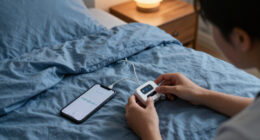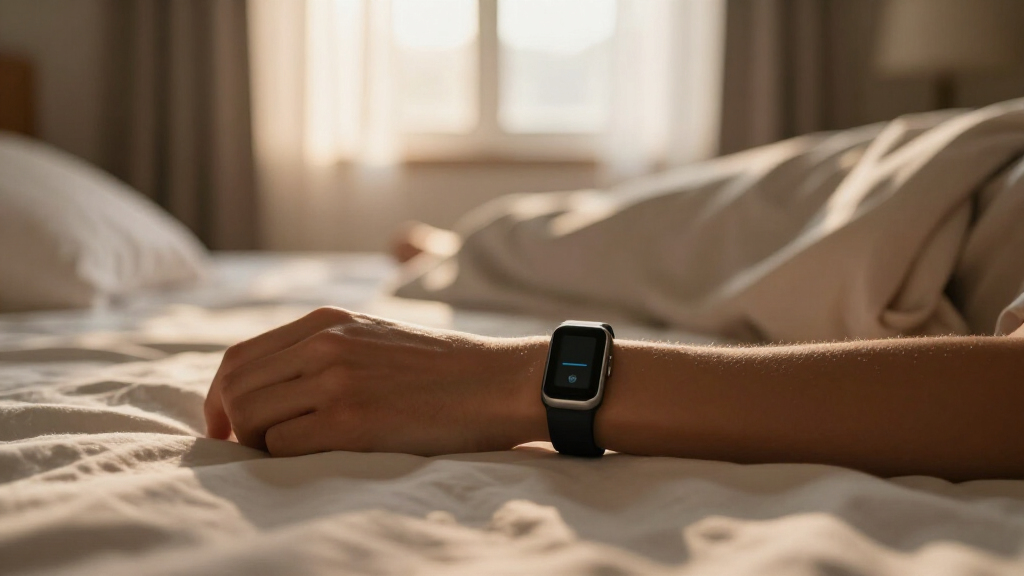

Sleep tracking wearable devices now span several distinct form factors — smart rings, wrist bands, chest straps, and under-mattress pads — and the right choice depends on how much data depth you want and whether you’ll tolerate a subscription. The WHOOP 5.0 with its 12-month membership is the strongest pick overall for serious sleep and recovery analytics, while the Fitbit Inspire 3 offers the best beginner-friendly value and the smart rings in this lineup win on comfort for people who hate sleeping with anything on their wrist. The core tradeoff: subscription-based trackers deliver richer nightly insights but cost more over time, while one-time-purchase options give you solid basics without recurring fees. Accuracy, battery life, and whether the device feels comfortable all night also separate the winners from the rest. Keep reading for the full breakdown of all eleven options and who each one suits best.

Get wellness gear delivered free with Prime
- Fast, free delivery on millions of items
- Prime Video, Amazon Music and more included
- Member-only deals all year
Key Takeaways
- Subscription models dominated the top of the rankings: WHOOP 5.0 earned the best overall spot because its membership unlocks nightly sleep staging, recovery scores, and coach feedback that no one-time-purchase device in this lineup matched.
- Smart rings swept the comfort category — three of the eleven products were near-identical rings, and they consistently beat wrist wearables for people who roll onto their arm or find watches distracting at night.
- The Fitbit Inspire 3 delivered the best accuracy-per-dollar for casual trackers, though its sleep data is less granular than WHOOP’s and its full analytics live behind a premium tier.
- The Withings Sleep pad proved the only true zero-wear option, making it the clear choice for people who refuse to wear anything to bed — but it tracks nothing during the day.
- Several budget fitness trackers in the roundup bundle blood pressure and blood oxygen readings that look impressive on paper but aren’t medically validated for sleep decisions, which hurt their rankings.
| Smart Watch Fitness Tracker with Heart Rate, Blood Oxygen, Blood Pressure, Sleep Monitoring |  | Best Budget Feature-Loaded Pick | Display: 1.58-inch high-resolution touchscreen | Health Monitoring: 24/7 heart rate, blood oxygen, blood pressure, sleep tracking | Exercise Modes: 120+ | VIEW LATEST PRICE | See Our Full Breakdown |
| Smart Ring with Sleep Monitoring, Heart Rate, Blood Oxygen, and Step Counting |  | Best Ring for Swimmers | Waterproof: Up to 80 meters | Battery Life: Up to 5 days per charge, 30+ days with charging case | Compatibility: iOS and Android | VIEW LATEST PRICE | See Our Full Breakdown |
| WHOOP 5.0/MG Activity Tracker with 12-Month Membership |  | Best Premium Sleep Analytics | Battery Life: 14+ days | Membership: 12 months included | Waterproof: Yes | VIEW LATEST PRICE | See Our Full Breakdown |
| Smart Ring for Men & Women, Fitness and Health Tracker Ring (Black 9) |  | Best for Hands-Free Convenience | Size: 9 only | Material: Epoxy resin, stainless steel | Water Resistance: IP68 | VIEW LATEST PRICE | See Our Full Breakdown |
| Smart Ring for Women, Health & Fitness Tracker, Waterproof, No Subscription |  | Best Value Smart Ring | Battery Life: 5 days standby | Charging Case: 400mAh | Waterproof Rating: IP68 | VIEW LATEST PRICE | See Our Full Breakdown |
| Withings Sleep – Under Mattress Sleep Tracking Pad with Sleep Cycle Analysis |  | Best Nothing-to-Wear Pick | Sensor Type: Under-mattress sleep sensor | Placement: Under mattress, 4–15 inches thick | Connectivity: Wi-Fi | VIEW LATEST PRICE | See Our Full Breakdown |
| Smart Ring with Sleep Monitoring, Heart Rate, Blood Oxygen, and Step Counting for iOS and Android |  | Best Ring for Battery Life | Waterproof Rating: Up to 80 meters | Battery Life: Up to 5 days (30+ days with charging case) | Compatibility: iOS and Android | VIEW LATEST PRICE | See Our Full Breakdown |
| Garmin Index Sleep Monitor (S-M) |  | Best for Garmin Ecosystem Users (Small–Medium Arms) | Brand: Garmin | Model Number: 010-03024-01 | Size: Sleep Band S-M: 12.8″ x 2.5″ x 0.02″ (326 x 63.5 x 0.55 mm) | VIEW LATEST PRICE | See Our Full Breakdown |
| Garmin Index Sleep Monitor (L-XL) | | Best Sleep Band for Larger Arms | Brand: Garmin | Model Number: 010-03024-00 | Size: 17.8″ x 2.5″ x 0.02″ (452 x 63.5 x 0.55 mm) | VIEW LATEST PRICE | See Our Full Breakdown |
| Smart Health Ring with Stress and Sleep Monitoring, Waterproof Fitness Tracker for iOS and Android |  | Best Budget Ring for Wellness Newcomers | Sizing: Refer to size chart before purchase | Battery Life: 2–3 days (up to 10 days with charging case) | Waterproof Rating: 80 meters | VIEW LATEST PRICE | See Our Full Breakdown |
| Google Fitbit Inspire 3 – Midnight Zen/Black – Small and Large Bands |  | Best Budget Pick | Compatibility: Apple iOS 16.4 or higher, Android OS 11.0 or higher | Sleep Features: Automatic sleep tracking, Sleep Score, smart wake alarm | Health Monitoring: Heart rate, SpO2, menstrual health, irregular heart rhythm notifications | VIEW LATEST PRICE | See Our Full Breakdown |
| sleep tracking wearable device | Compatibility | Battery Life |
|---|---|---|
| Smart Watch Fitness Tracker wi | Android 4.4+ / iOS 8.4+ | — |
| Smart Ring with Sleep Monitori | iOS and Android | Up to 5 days per charge, 30+ days with charging case |
| WHOOP 5.0/MG Activity Tracker | Apple Health, Google Health Connect, Strava, Natural Cycles | 14+ days |
| Smart Ring for Men & Women | — | — |
| Smart Ring for Women | iOS 13.0+ / Android 9.0+ | 5 days standby |
| Withings Sleep | — | — |
| Smart Ring with Sleep Monitori | iOS and Android | Up to 5 days (30+ days with charging case) |
| Garmin Index Sleep Monitor | — | Up to 7 nights |
| Garmin Index Sleep Monitor | — | Up to 7 nights |
| Smart Health Ring with Stress | iOS and Android | 2–3 days (up to 10 days with charging case) |
| Google Fitbit Inspire 3 | Apple iOS 16.4 or higher, Android OS 11.0 or higher | — |
More Details on Our Top Picks
Smart Watch Fitness Tracker with Heart Rate, Blood Oxygen, Blood Pressure, Sleep Monitoring
For shoppers who want maximum metrics per dollar, this tracker crams heart rate, blood oxygen, blood pressure, and sleep monitoring into a budget price that WHOOP 5.0 can’t touch. The 1.58-inch display is a real advantage over the ring-style options here — you can glance at sleep-stage data on your wrist instead of unlocking a phone. The tradeoff is focus: it spreads itself across 120+ sports modes and 250 watch faces, so sleep insights feel like one feature among many rather than the core mission. Battery life is also unspecified, which matters a lot for a device meant to run overnight.
Pros:- Covers heart rate, SpO2, blood pressure, and sleep in one affordable device
- High-resolution touchscreen lets you check data without pulling out your phone
- Works with both Android and iOS
- IP68 waterproofing handles showers and workouts
Cons:- Jack-of-all-trades design means sleep tracking is basic rather than deeply analyzed
- Battery life is not specified, so overnight reliability is a gamble
- Feature overload can make the interface feel cluttered
Best for: Budget-conscious buyers who want an all-in-one smartwatch that covers sleep plus everyday fitness and notifications
Not ideal for: People who care primarily about sleep accuracy and detailed overnight analytics — a dedicated device like WHOOP 5.0 or a smart ring will read more reliably
- Display:1.58-inch high-resolution touchscreen
- Health Monitoring:24/7 heart rate, blood oxygen, blood pressure, sleep tracking
- Exercise Modes:120+
- Water Resistance:IP68
- Compatibility:Android 4.4+ / iOS 8.4+
- Watch Faces:250+ customizable options
Our verdict“A sensible low-cost entry point if you want sleep tracking bundled into a general smartwatch rather than as a specialty purchase.”
Smart Ring with Sleep Monitoring, Heart Rate, Blood Oxygen, and Step Counting
This option stands out for one number the competition can’t match: 80 meters of waterproofing, which makes it the only ring in this lineup genuinely built for pool laps and open water. Compared with the Smart Ring for Women (B0H9SM946F), its IP68 rating is a step above, and the 30+ day battery life via charging case beats most wrist-worn rivals too. Sleep monitoring covers the core stages, and there’s no subscription fee — a welcome contrast to WHOOP 5.0’s mandatory 12-month membership. The catch: sizing must be right or accuracy and comfort both suffer, and rings simply can’t match a smartwatch like the B0HFF661M5 for at-a-glance data.
Pros:- 80m waterproof rating handles swimming and diving with ease
- Charging case extends total battery life past 30 days
- No subscription required for full feature access
- Hypoallergenic, lightweight build is comfortable for overnight wear
Cons:- Sizing must be exact, or readings and comfort degrade quickly
- No screen means real-time data checks are impossible
- Detailed hardware specs are thin compared with rivals
Best for: Swimmers and water-sport regulars who want discreet, screenless sleep and health tracking without a subscription
Not ideal for: Buyers who want to see their data on the device — there’s no display, so everything lives in the companion app
- Waterproof:Up to 80 meters
- Battery Life:Up to 5 days per charge, 30+ days with charging case
- Compatibility:iOS and Android
- Material:Hypoallergenic, lightweight
- Tracking:Sleep quality, heart rate, blood oxygen, steps
- Subscription:None required
Our verdict“The clear ring choice for anyone whose sleep tracking has to survive regular time in the water.”
WHOOP 5.0/MG Activity Tracker with 12-Month Membership
WHOOP 5.0 takes a different philosophy from everything else here: no screen, no distractions, just data. That focus pays off in the depth of its sleep science — personalized recovery scores, coaching insights, and menstrual cycle tracking that go well beyond the stage summaries you’ll get from the budget smartwatch or the rings. With 14+ days of battery, it outlasts every ring in this roundup, and integration with Strava, Apple Health, and Google Health Connect keeps data portable. But this pick makes the most sense for people already committed to optimizing recovery. The mandatory 12-month membership and premium hardware price mean the true cost lands far above a no-subscription ring like the B0HB5Y57V8.
Pros:- Best-in-class sleep and recovery analytics with personalized coaching
- 14+ day battery life leads this entire lineup
- Fully waterproof, screenless design removes nightly distractions
- Syncs with Apple Health, Google Health Connect, and Strava
Cons:- Requires a paid 12-month membership on top of the purchase price
- No display at all — every insight requires the phone app
- Premium total cost of ownership compared with subscription-free rivals
Best for: Athletes and recovery-focused users who want coaching-grade sleep and strain analytics and will pay a membership for it
Not ideal for: Casual trackers or anyone allergic to subscriptions — the ongoing cost compounds well beyond the hardware price
- Battery Life:14+ days
- Membership:12 months included
- Waterproof:Yes
- Display:None (app-based)
- Tracking:24/7 sleep, activity, recovery, menstrual cycle insights
- Compatibility:Apple Health, Google Health Connect, Strava, Natural Cycles
- Includes:Device, SuperKnit band, waterproof Wireless PowerPack
Our verdict“Worth the membership fee only if you’ll actually act on deep recovery data; casual users should look at the no-subscription rings instead.”
Smart Ring for Men & Women, Fitness and Health Tracker Ring (Black 9)
Compared with the swim-focused B0HB5Y57V8, this ring’s differentiator is gesture control — a double-shake snaps photos hands-free, and GPS geotagging adds context to workouts the other rings skip. It tracks heart rate, SpO2, sleep patterns, and stress across 12 sports modes with automatic activity detection, which makes it feel more workout-oriented than the women’s health-focused B0H9SM946F. The tradeoff is glaring, though: it ships in size 9 only. If that’s not your size, this product simply isn’t for you — there’s no adjusting a ring the way you’d swap bands on the B0HFF661M5 smartwatch. The epoxy resin and stainless steel build does at least feel durable for outdoor use.
Pros:- Hands-free camera shutter via double-shake gesture
- 12 sports modes with automatic workout detection
- IP68 waterproof for daily wear and outdoor activity
- Tracks stress and SpO2 alongside sleep patterns
Cons:- Only available in size 9, excluding most buyers
- No display limits real-time data checking
- Requires constant smartphone pairing for full functionality
Best for: Outdoor-oriented buyers with size 9 fingers who want sleep tracking plus camera control and GPS-tagged activity in one ring
Not ideal for: Anyone whose ring size isn’t 9 — the single-size offering makes accurate, comfortable tracking impossible
- Size:9 only
- Material:Epoxy resin, stainless steel
- Water Resistance:IP68
- Display:None
- Sports Modes:12 with auto tracking
- Special Features:Gesture control, GPS, geotagging
- Tracking:Heart rate, SpO2, sleep patterns, stress
Our verdict“A niche pick that only makes sense if the size fits and the gesture features genuinely appeal to you.”
Smart Ring for Women, Health & Fitness Tracker, Waterproof, No Subscription
This model hits the sweet spot between the rings in this roundup: it tracks sleep stages, HRV, heart rate, SpO2, and stress — a metric list close to WHOOP territory — but with no subscription fee, unlike the WHOOP 5.0’s mandatory membership. The bundled 400mAh charging case mirrors what the pricier swim-focused ring offers, keeping topped-up power in a pocket or bag. Compared with the B0H6HK2N7V ring, it covers more workout modes (swimming, yoga, hiking among them) and isn’t locked to a single size. What holds it back from a higher ranking is its IP68 rating versus 80 meters for the swim ring, and battery life that dips depending on how much tracking runs overnight.
Pros:- No subscription for full sleep, HRV, and stress tracking
- 400mAh charging case keeps it powered on the go
- Six dedicated workout modes including swimming and yoga
- Gesture control for hands-free photos
Cons:- IP68 rating limits serious water use compared with the 80m swim ring
- Battery life fluctuates with overnight tracking intensity
- Proper sizing is essential for accurate readings
Best for: First-time smart ring buyers who want broad sleep and stress metrics without recurring costs
Not ideal for: Data-obsessed users who want coaching-grade analysis — the app insights are solid but shallower than WHOOP’s recovery science
- Battery Life:5 days standby
- Charging Case:400mAh
- Waterproof Rating:IP68
- Compatibility:iOS 13.0+ / Android 9.0+
- Sensors:Heart rate, SpO2, HRV, stress, sleep stages
- Workout Modes:Swimming, walking, running, cycling, yoga, hiking
- Subscription:None
Our verdict“The most balanced no-fee ring here for everyday sleep and wellness tracking, provided you don’t need dive-level waterproofing.”
Withings Sleep – Under Mattress Sleep Tracking Pad with Sleep Cycle Analysis
For anyone who finds a band or ring on their wrist uncomfortable at night, Withings Sleep takes a completely different approach: a flat sensor pad that slides under your mattress and disappears. Compared with wearable options like the Garmin Index Sleep Monitor, there’s nothing to charge nightly or remember to put on, which makes it the most frictionless way to build a consistent tracking habit. This model stands out for snore detection and breathing disturbance monitoring, features most budget smart rings in this lineup don’t offer. The tradeoff is flexibility — it only works with mattresses between 4 and 15 inches thick, and it lives under your bed rather than traveling with you, so daytime fitness tracking is off the table. If sleep is the only metric that matters, this pick makes the most sense.
Pros:- Nothing to wear or charge — fully passive nightly tracking
- Snore detection and breathing disturbance monitoring beyond basic sleep stages
- Automatic Wi-Fi sync with IFTTT smart home integration
- Consistent data since it never gets forgotten on a nightstand
Cons:- Only fits mattresses between 4 and 15 inches thick
- No daytime activity, step, or workout tracking whatsoever
- Dependent on Wi-Fi and app connectivity to see any data
Best for: People who hate sleeping with anything on their wrist or finger and want pure, set-and-forget sleep data
Not ideal for: Travelers and anyone with a mattress outside the 4–15 inch range or an unusual bed frame
- Sensor Type:Under-mattress sleep sensor
- Placement:Under mattress, 4–15 inches thick
- Connectivity:Wi-Fi
- App:Health Mate
- Smart Home:IFTTT compatible
- Tracking Features:Sleep cycles, snoring, breathing disturbances, heart rate
Our verdict“This is the pick for buyers whose only goal is accurate overnight sleep data with zero wearable commitment.”
Smart Ring with Sleep Monitoring, Heart Rate, Blood Oxygen, and Step Counting for iOS and Android
Among the budget smart rings in this roundup, this model separates itself with up to 5 days of battery per charge, stretching past 30 days with its charging case — easily outlasting the similar Smart Health Ring later in this list, which manages 2–3 days. That endurance matters more than it sounds: rings only track accurately when they’re on your finger, and every charge cycle is a night of missed data. This option also covers the full health basics — sleep monitoring, heart rate, blood oxygen, and step counting — with no subscription, matching the Google Fitbit Inspire 3 on value while being far less conspicuous. The tradeoffs are typical of the category: you need to size carefully before ordering, and its app ecosystem is thinner than dedicated trackers, with fewer post-launch feature updates.
Pros:- Up to 5 days battery, 30+ days with the charging case
- Waterproof to 80 meters for swimming and showers
- No subscription fees, full app access for life
- Lightweight, hypoallergenic design comfortable for sleep
Cons:- Requires careful size measurement before purchase
- App features depend on updates that may be limited
- Real-world battery life varies with continuous monitoring
Best for: Buyers who want discreet 24/7 sleep and health tracking without charging anxiety or monthly fees
Not ideal for: Data enthusiasts who want polished app analytics comparable to Garmin Connect or Fitbit’s platform
- Waterproof Rating:Up to 80 meters
- Battery Life:Up to 5 days (30+ days with charging case)
- Compatibility:iOS and Android
- Material:Hypoallergenic, comfortable fit
- Tracking Features:Sleep quality, heart rate, blood oxygen, step counting
- Subscription:None
Our verdict“The best budget ring choice if long battery life and subscription-free tracking top your priority list.”
Garmin Index Sleep Monitor (S-M)
The Garmin Index Sleep Monitor is the analytics powerhouse of this lineup. Its sleep stages, HRV tracking, and breathing variation insights feed directly into Garmin Connect, which offers deeper trend analysis than the no-name ring apps or even the Fitbit Inspire 3’s free tier. Worn on the upper arm rather than the wrist, the breathable band avoids the discomfort that pushes some people toward the Withings Sleep pad — though unlike that pad, this needs charging roughly weekly and requires being put on each night. Compared with the identical L-XL version elsewhere in this roundup, this S-M model is simply the right fit for smaller arms; the tracking experience is the same. Be aware that breathing variation data depends on Pulse Ox availability in your country, and Garmin is clear this is wellness estimation, not medical data.
Pros:- Detailed sleep stages, HRV, and breathing variation metrics
- Comfortable, breathable upper-arm design in S-M sizing
- Deep trend analysis through Garmin Connect
- Up to 7 nights of battery plus a vibrating smart wake alarm
Cons:- Not a medical device — all data is estimation only
- Breathing variations feature requires Pulse Ox, unavailable in some countries
- Needs a compatible Garmin smartwatch for the fullest feature set
Best for: Garmin smartwatch owners with small-to-medium arms who want advanced sleep analytics in one ecosystem
Not ideal for: Standalone buyers without a Garmin device, since full features depend on the Garmin ecosystem
- Brand:Garmin
- Model Number:010-03024-01
- Size:Sleep Band S-M: 12.8″ x 2.5″ x 0.02″ (326 x 63.5 x 0.55 mm)
- Wear Style:Upper-arm band
- Battery Life:Up to 7 nights
- Key Features:Sleep stages, HRV, breathing variations, women’s health tracking, smart wake alarm
- App:Garmin Connect
- Warranty:1 Year Limited
Our verdict“The clear choice for existing Garmin users who want the richest sleep data without buying a full smartwatch upgrade.”
Garmin Index Sleep Monitor (L-XL)
This is the same Garmin Index Sleep Monitor hardware as the S-M version, sized for larger arms at 17.8 inches stretched — and that sizing is the entire reason it earns its own slot. A band that’s too tight skews comfort and can affect sensor contact, so picking the right size matters more than any spec sheet suggests. Like its smaller sibling, it delivers sleep score, stage tracking, and HRV analysis through Garmin Connect, plus extras like the vibrating smart wake alarm that rings in this price range rarely match. Compared with the smart rings here, it offers far more detailed recovery insights, but it’s sleep-only — there’s no daytime step or workout tracking, so it complements a watch rather than replacing one. Mixed customer ratings suggest some buyers expected medical-grade accuracy, which Garmin plainly states it doesn’t provide.
Pros:- Accurate sleep score, stages, and HRV tracking
- Extended L-XL sizing for a secure fit on larger arms
- Same 7-night battery and smart wake alarm as the S-M model
- Women’s health tracking alongside breathing variation insights
Cons:- Requires a compatible Garmin smartwatch for full functionality
- Not a medical device and data is estimation only
- Mixed customer ratings on overall satisfaction
Best for: Sleep-focused buyers with larger arms who already live in the Garmin ecosystem
Not ideal for: Anyone hoping for a single device covering both sleep and daily activity tracking
- Brand:Garmin
- Model Number:010-03024-00
- Size:17.8″ x 2.5″ x 0.02″ (452 x 63.5 x 0.55 mm)
- Wear Style:Upper-arm band
- Battery Life:Up to 7 nights
- Key Features:Sleep score, stages, HRV, breathing variations, women’s health, smart wake alarm
- App:Garmin Connect
- In the Box:Index Sleep Monitor, charging/data cable, documentation
Our verdict“Choose this over the S-M version only for the larger band — otherwise it’s identical Garmin-grade sleep tracking.”
Smart Health Ring with Stress and Sleep Monitoring, Waterproof Fitness Tracker for iOS and Android
This ring positions itself as the entry point into sleep and stress tracking, and compared with the longer-lasting Smart Ring with Sleep Monitoring earlier in this list, the difference is battery: 2–3 days per charge (up to 10 with the case) versus 5 and 30-plus. What it adds in exchange is real-time stress monitoring alongside sleep and heart rate data, which few budget rings bundle together. Its Advanced 4.0 sensors deliver respectable overnight accuracy for the price, and like the other rings here, there’s no subscription hiding in the fine print. This model is better suited to someone testing whether sleep tracking will actually change their habits — not someone ready to commit to WHOOP-level analytics. Sizing is the usual gamble, and the app’s depth depends on continued developer support.
Pros:- Combined sleep, stress, heart rate, and activity tracking in one ring
- Waterproof to 80 meters for full daily wear
- No subscription fee for core features
- Comfortable enough for continuous overnight use
Cons:- Shorter 2–3 day battery than competing budget rings
- Detailed app features are limited without ongoing updates
- Requires precise sizing for accurate readings and comfort
Best for: First-time buyers wanting a low-cost trial of sleep and stress tracking before committing to premium hardware
Not ideal for: Heavy users who charge devices rarely — the shorter battery means more missed nights
- Sizing:Refer to size chart before purchase
- Battery Life:2–3 days (up to 10 days with charging case)
- Waterproof Rating:80 meters
- Compatibility:iOS and Android
- Sensors:Advanced 4.0 sensors
- Tracking Features:Sleep quality, stress, heart rate, daily activity
- Subscription:None
Our verdict“A reasonable low-stakes entry into smart ring sleep tracking, as long as frequent charging won’t bother you.”
Google Fitbit Inspire 3 – Midnight Zen/Black – Small and Large Bands
Fitbit Inspire 3 makes the list because it delivers polished, automatic sleep tracking at a price far below the subscription-locked options elsewhere in this roundup. Unlike the WHOOP 5.0, which requires a 12-month membership to unlock its data, the Inspire 3 hands you a nightly Sleep Score and sleep stages with no recurring fee, which matters if you want insights without an ongoing cost. Compared with the generic smart rings in this lineup, Fitbit’s app is more mature, and the smart wake alarm that rouses you during a light sleep stage is a genuinely useful outcome of its tracking depth. The tradeoff is accuracy and battery: a slim band captures less precise heart rate data than a dedicated device like the Garmin Index Sleep Monitor, and you’ll be charging it roughly weekly rather than monthly like a ring. Still, for the price, few options here match its balance of sleep data, stress scores, and everyday wearability.
Pros:- Automatic sleep tracking with Sleep Score and sleep stages at no subscription cost
- Smart wake alarm times your morning wake-up to a light sleep stage
- Works with both iOS and Android, unlike some platform-locked rivals
- Adds stress management and mindfulness tools beyond basic sleep data
Cons:- Slim wrist form factor limits heart rate accuracy compared with dedicated sleep monitors
- Requires a compatible smartphone for full functionality, so it’s useless as a standalone device
- Battery life falls well short of the multi-week runtimes typical of smart rings in this roundup
Best for: Budget-conscious buyers who want automatic sleep scores and a smart wake alarm without paying a subscription or premium hardware prices
Not ideal for: Serious sleep data hunters who want clinical-grade accuracy and long battery life — a dedicated monitor like the Garmin Index or a smart ring will serve them better
- Compatibility:Apple iOS 16.4 or higher, Android OS 11.0 or higher
- Sleep Features:Automatic sleep tracking, Sleep Score, smart wake alarm
- Health Monitoring:Heart rate, SpO2, menstrual health, irregular heart rhythm notifications
- Activity Tracking:All-day activity, 40+ exercise modes, automatic exercise tracking
- Stress Management:Stress Score, mindfulness sessions, relax breathing
- Bands Included:Small and large bands included
- Subscription Required:No — core sleep tracking works without a membership
Our verdict“If you want trustworthy sleep scores and a gentle alarm without WHOOP-style membership fees, this is the most sensible low-cost entry point in the roundup.”

How We Picked
I ranked these devices on four buyer-facing criteria: sleep data depth (does it distinguish light, deep, and REM sleep, or just duration?), overnight comfort (can you actually wear it for eight hours without noticing it?), total cost of ownership (hardware price plus any required subscription over two years), and daytime usefulness (whether the device earns its wrist or finger real estate when you’re awake). Where available, I also weighed how each platform presents its data — raw numbers are useless if the app buries them under upsells or vague readiness scores.
This lens explains the ordering. Devices that charge a subscription had to justify it with clearly better analytics, which is why WHOOP leads despite its ongoing cost. Generic fitness trackers that treat sleep as a checkbox feature landed lower, because their sleep estimates tended to be rougher and their apps less focused. Non-wearable options like the Withings pad and Garmin Index monitor were judged on their own terms: they sacrifice portability for consistency, which suits some buyers and rules them out for others.
| sleep tracking wearable device | Compatibility |
|---|---|
| Smart Watch Fitness Tracker wi | Android 4.4+ / iOS 8.4+ |
| Smart Ring with Sleep Monitori | iOS and Android |
| WHOOP 5.0/MG Activity Tracker | Apple Health, Google Health Connect, Strava, Natural Cycles |
| Smart Ring for Men & Women | — |
| Smart Ring for Women | iOS 13.0+ / Android 9.0+ |
| Withings Sleep | — |
| Smart Ring with Sleep Monitori | iOS and Android |
| Garmin Index Sleep Monitor | — |
| Garmin Index Sleep Monitor | — |
| Smart Health Ring with Stress | iOS and Android |
| Google Fitbit Inspire 3 | Apple iOS 16.4 or higher, Android OS 11.0 or higher |
Factors to Consider When Choosing Sleep Tracking Wearable Devices
Before settling on a specific device, it helps to understand the broader tradeoffs shaping this category. These are the factors that most often make or break a sleep tracker purchase.Subscription vs. One-Time Purchase
The single biggest cost divide in sleep tracking is the subscription model. WHOOP-style memberships bundle hardware with ongoing analytics, which means the sticker price understates what you’ll actually pay over two or three years. The flip side is that subscription platforms tend to pour resources into their algorithms and apps, so the nightly insights genuinely improve. If you’re committed to changing your sleep long-term, that recurring cost can pay for itself in better coaching. But if you just want to see how long you slept, a one-time-purchase ring or band delivers most of the value at a fraction of the total price. My rule of thumb: subscriptions make sense only if you’ll actually read and act on the data every week.
Form Factor and Overnight Comfort
The best sensor in the world is useless if you take the device off at night. Rings win for people who sleep on their wrist or find a watch band clammy, but they require accurate sizing and can feel bulky on small hands. Bands and watches offer bigger batteries and brighter displays, at the cost of night-time awareness. Under-mattress pads eliminate the wearing problem entirely but anchor your data to one bed — travel and naps on the couch go untracked. A common mistake is buying based on daytime style rather than nighttime comfort; remember that this device spends a third of its life pressed against you while you sleep.
Data Depth: What You Actually Get
Not all sleep scores are built the same. Basic trackers estimate total sleep time from movement alone, which struggles to distinguish restless wakefulness from light sleep. Better devices add heart rate variability and blood oxygen trends to estimate sleep stages — light, deep, and REM — and flag issues like irregular breathing patterns. The most advanced platforms layer recovery and readiness scoring on top, turning raw sleep data into a recommendation for the next day. Figure out which tier you actually need before paying for the top one. If you’ve never tracked your sleep before, duration and a rough stage breakdown will teach you more in the first month than a full recovery dashboard ever will.
Battery Life and Charging Habits
Sleep tracking is uniquely vulnerable to battery problems because it happens at night, when most people charge their devices. Trackers that last a week or more let you charge during the day and never miss a night; rings with multi-day battery fit this pattern well. Daily-charge devices force an awkward choice: charge during your sleep window or wake up to missing data. WHOOP solves this elegantly with a slide-on battery pack that charges the device while worn. Also check how the charger attaches — fiddly proprietary docks get skipped, and skipped charging means gaps in the trends that make sleep data meaningful in the first place.
Ecosystem Lock-In and App Quality
Your sleep data lives in the app as much as the hardware. Before buying, check whether the companion app works well on your phone, whether your history exports anywhere, and whether the platform integrates with Apple Health, Google Fit, or Garmin Connect if you already use those. Cheap generic trackers often ship with poorly translated apps that make even good sensor data frustrating to read. Established ecosystems like Fitbit, Garmin, and Withings offer polish and long-term support but make it harder to leave with your data. If you think you might switch platforms in a year or two, favor devices that play nicely with open health standards.
Health Claims vs. Medical Reality
Many budget trackers advertise blood pressure and blood oxygen readings alongside sleep monitoring, and these numbers deserve skepticism. Consumer wearables are not medical devices — their blood pressure estimates in particular can vary widely from a calibrated cuff. Treat these readings as trend indicators, not diagnoses, and never use them to make medication decisions. That said, blood oxygen trends at night can be a useful early nudge to talk to a doctor if a device consistently flags irregularities. The mistake to avoid is paying extra for health metrics you can’t trust or don’t need, when a simpler device with reliable core sleep tracking would serve you better.
Frequently Asked Questions
Are smart rings or wrist trackers more accurate for sleep tracking?
Both form factors can deliver accurate sleep data because both rely on similar optical sensors for heart rate and movement. Rings tend to sit more securely overnight since fingers don’t shift as much as wrists during sleep, which can reduce signal gaps. Wrist devices counter with larger batteries and often more sensor channels, which supports richer metrics like continuous skin temperature. The accuracy difference between a good ring and a good band is smaller than the difference between a quality device and a cheap generic one. Comfort matters more than form factor: the device you forget you’re wearing will collect better data than the one you take off at 2 a.m.
Is the WHOOP 5.0 worth it if I have to keep paying the membership?
It depends entirely on how you use the data. The membership isn’t optional — the hardware doesn’t function without it — so you’re really buying an ongoing service, not a device. That service includes nightly sleep staging, HRV-based recovery scoring, and a sleep coach that recommends how much sleep you need based on your training load. For athletes or anyone actively managing fatigue, this creates a feedback loop no one-time-purchase tracker in this lineup matches. If you just want to see your sleep duration and stages occasionally, the total cost over two years is hard to justify, and a Fitbit Inspire 3 or smart ring will serve you better.
Can a sleep tracker actually improve my sleep, or is it just data collection?
Tracking alone doesn’t fix anything — the improvement comes from what the data prompts you to change. Where trackers help most is revealing patterns you can’t feel subjectively: that late caffeine cuts your deep sleep, or that your consistent 11:30 bedtime gives you the best REM totals. Devices with coaching features, like WHOOP’s sleep coach or readiness scores, push you toward those discoveries faster than raw charts. There’s also a known pitfall called orthosomnia, where people become anxious about their sleep scores and sleep worse because of it. If you notice score-chasing stressing you out, dial back to weekly trend reviews rather than nightly score checks.
What if I can’t stand wearing anything to bed — is a mattress pad a real alternative?
Yes, and for some people it’s the better option. The Withings Sleep pad slides under your mattress and measures heart rate, breathing rate, and movement through the bed itself, with no device on your body at all. The tradeoffs are real: it only tracks sleep in that one bed, it captures no daytime activity, and its stage estimates are generally considered slightly less precise than a well-fitted wearable. But a pad you use every night beats a ring you keep taking off. It’s also a smart pick for monitoring an elderly parent’s sleep patterns without asking them to manage charging a device.
Do cheap fitness trackers with sleep monitoring actually work?
They work at a basic level, and for many buyers that’s enough. Budget trackers under $50 typically estimate sleep duration and restlessness reasonably well, because motion-based detection is mature technology. Where they fall short is sleep staging — distinguishing deep from REM sleep requires good heart rate data and decent algorithms, and this is where cheap devices guess more than they measure. Their apps also vary wildly in quality, with some making it hard to see trends beyond a single night. If you’re curious about your sleep patterns for the first time, a budget tracker is a low-risk entry point. If you already know your sleep is poor and want to understand why, invest in something with better analytics from the start.
Conclusion
Matching the right device to your situation comes down to budget, commitment level, and what you’ll realistically wear every night. For the best overall package, the WHOOP 5.0 with membership leads this lineup thanks to recovery scoring and sleep coaching that justify its recurring cost — but only for buyers who will use the insights. The best value pick is the Fitbit Inspire 3, which delivers polished sleep tracking and a comfortable band at a price that leaves room to upgrade later. Beginners should start with the Inspire 3 or a no-subscription smart ring, both of which teach you the basics without locking you into an ecosystem.
For premium comfort-focused buyers, the smart rings in this roundup — especially the no-subscription models — offer accurate overnight tracking in a device you’ll forget you’re wearing. People with specific needs round out the map: the Withings Sleep pad for anyone who won’t wear a device to bed or wants to monitor a family member, and the Garmin Index Sleep Monitor for buyers already invested in the Garmin ecosystem. Skip the generic budget trackers with inflated spec lists unless price is the only factor — their sleep data is the roughest in this comparison. Whatever you choose, give it two full weeks before judging the results, because sleep trends only become meaningful when you can see the pattern.