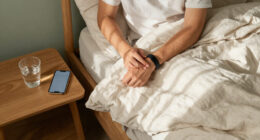
Sleep quality analyzers have become essential tools for anyone looking to understand and improve their rest. The best devices offer detailed insights into sleep cycles, breathing, oxygen levels, and overall sleep health. The Withings Sleep stands out as the top overall pick for its comprehensive under-mattress tracking, while the Garmin Index Sleep Monitor excels in advanced health metrics. However, choosing the right device involves tradeoffs—some prioritize detailed data, others focus on ease of use or affordability. Keep reading for a detailed comparison to find the best fit for your sleep goals.

Get wellness gear delivered free with Prime
- Fast, free delivery on millions of items
- Prime Video, Amazon Music and more included
- Member-only deals all year
Key Takeaways
- Devices vary widely in the type of data they collect, from oxygen saturation to breathing airflow and HRV.
- Non-wearable options like under-mattress pads and bedsensors tend to be more comfortable but may offer less detailed metrics than wearable devices.
- Advanced health tracking features, such as skin temperature and recovery metrics, are typically found in higher-end models.
- Ease of use and app integration are key factors that influence whether a device will be adopted into daily routines.
- Price ranges reflect the complexity of data and features—more expensive options often provide more comprehensive insights.
| EMAY Sleep Oxygen Monitor with PC Software & App, Bluetooth Pulse Oximeter, Rechargeable for Overnight & Continuous SpO2 Tracking with 72 Hours Memory |  | Best Overall for Continuous Oxygen and Heart Rate Monitoring | Support Modes: Spot Check, Continuous Tracking | Memory: 72 hours | Connectivity: Bluetooth | VIEW ON AMAZON | See Our Full Breakdown |
| Withings Sleep – Under-Mattress Sleep Tracking Pad with Sleep Cycle Analysis |  | Best Value for Non-Intrusive Sleep Cycle Monitoring | Type: Sleep tracking pad | Sensor technology: Pneumatic sensor | Features: Snoring detection, sleep cycle analysis, heart rate monitoring | VIEW ON AMAZON | See Our Full Breakdown |
| AI Non-Wearable Sleep Tracker with Sleep Inducing Light and Room Condition Monitoring |  | Best for Room Condition & Non-Wearable Sleep Analysis | Sleep Monitoring: Snoring, Sleep Stages, Movement | Room Conditions: T&H, CO2, Light | Connectivity: App compatible | VIEW ON AMAZON | See Our Full Breakdown |
| Sleep Detection Pad, Vital Sign Health Monitoring Pad, Real-time Sleep Status Monitoring |  | Best for Medical-Grade, Non-Contact Sleep Monitoring | Response Time: Real-time | Detection Method: Non-contact | Use Cases: Hospitals, bedrooms, offices | VIEW ON AMAZON | See Our Full Breakdown |
| Garmin Index Sleep Monitor (L/XL) – Smart Sleep Band with Advanced Tracking & Women’s Health |  | Best for Comprehensive Sleep & Health Metrics with Long Battery Life | Size: L/XL | Battery Life: Up to 7 nights | Compatibility: Garmin Connect | VIEW ON AMAZON | See Our Full Breakdown |
| Smart Ring for Women & Men, Fitness & Activity Tracker, Sleep Monitoring, 7-Day Battery Life, 5ATM Waterproof, No Subscription Fee, iOS & Android Compatible (Black, Size 12) |  | Best Overall Sleep Quality Analyzer Device | Size: 6-13 | Battery Life: 3-5 days | Waterproof Rating: 5ATM | VIEW ON AMAZON | See Our Full Breakdown |
| Garmin Index Sleep Monitor (S/M) – Smart Sleep Band with Advanced Sleep Tracking & Recovery Metrics, HRV, Skin Temperature & Women’s Health Tracking, Garmin Connect Compatible + Wearable4U PowerBank |  | Best for Detailed Sleep and Recovery Metrics | Size: S/M | Battery Life: Up to 7 nights | Compatibility: Garmin Connect | VIEW ON AMAZON | See Our Full Breakdown |
| KEULEN Smart Sleep Analyzer, Sleep Monitor, Heart Rate Sensor Strap |  | Best for Continuous, Non-Wearable Sleep Tracking | Monitoring Features: Body movement, heart rate, sleep stages | Design: Non-wearable sensor strap | Sleep Analysis: Deep sleep, light sleep, REM, awake states | VIEW ON AMAZON | See Our Full Breakdown |
| EMAY Sleep Breathing Monitor for Airflow Tracking |  | Best for Breathing-Focused Sleep Analysis | Sensor Type: Built-in airflow sensors | Material: Food-grade silicone | Weight: 10g | VIEW ON AMAZON | See Our Full Breakdown |
| Garmin Index Sleep Monitor |  | Best for Versatile Sleep Tracking with Ecosystem Integration | Brand: Garmin | Model Number: 010-03024-01 | Unit Count: 1 | VIEW ON AMAZON | See Our Full Breakdown |
| EMAY Sleep Oxygen Monitor with Built-in Recording Capability | 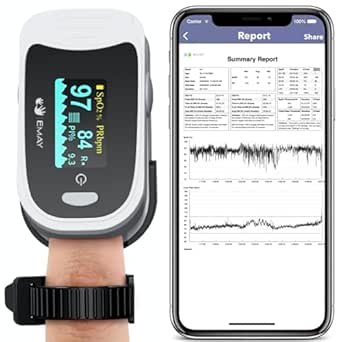 | Best for Non-Medical Sleep Data Recording and Review | Brand: EMAY | Model: EMO-80 | Unit Count: 1 | VIEW ON AMAZON | See Our Full Breakdown |
| Beautyrest Sleeptracker Monitor – Wearable-Free Sleep Tracker with App and Alexa Compatibility |  | Best for Couples or Those Wanting No-Wear Tracking with Smart Features | Power Source: Not specified | Compatibility: Alexa enabled, works with any bed | Monitoring Features: Respiration, heart rate, body movement, wakefulness | VIEW ON AMAZON | See Our Full Breakdown |
More Details on Our Top Picks
EMAY Sleep Oxygen Monitor with PC Software & App, Bluetooth Pulse Oximeter, Rechargeable for Overnight & Continuous SpO2 Tracking with 72 Hours Memory
This device stands out for its dual capability of spot checks and continuous tracking, making it ideal for those who want detailed oxygen and heart rate data over extended periods. Unlike the Withings Sleep pad, which primarily focuses on sleep cycles, the EMAY monitor provides real-time SpO2 and HR data, giving a more comprehensive view of sleep quality related to oxygen levels. Its 72-hour memory allows for trend analysis, but the need for manual syncing could be inconvenient for some users. Compared to the Garmin Index, which emphasizes multiple health metrics, the EMAY offers a more specialized focus on oxygen saturation, though it lacks water resistance and may encounter Bluetooth pairing issues.
Pros:- Supports both spot check and continuous tracking modes for flexibility
- Includes 72-hour memory for comprehensive trend analysis
- Rechargeable and lightweight, suitable for portable use
- Offers detailed reports and trend visualization
Cons:- Requires manual syncing via Bluetooth, which may be cumbersome
- Limited to Bluetooth connectivity, prone to pairing issues
- No waterproof or water-resistant features
Best for: Individuals who want detailed overnight oxygen and heart rate data for sleep assessment and are comfortable with app-based data management.
Not ideal for: Users seeking a hands-off, all-in-one sleep monitor with automatic data syncing and water resistance, such as those who prefer the Garmin Index or Withings Sleep.
- Support Modes:Spot Check, Continuous Tracking
- Memory:72 hours
- Connectivity:Bluetooth
- Compatibility:PC, iOS, Android
- Battery:Rechargeable
- Included Components:Device
Our verdict“This monitor is best suited for users who prioritize detailed oxygen and heart rate data over convenience or water resistance.”
Withings Sleep – Under-Mattress Sleep Tracking Pad with Sleep Cycle Analysis
The Withings Sleep pad excels at providing detailed sleep cycle analysis and snoring detection, making it a strong choice for those who want a non-wearable device. Compared with the Garmin Index, which tracks multiple health metrics, the Withings Sleep offers a more passive experience—just place it under your mattress for continuous data collection. Its pneumatic sensor technology ensures reliable detection of sleep interruptions, but placement may not suit all bed types, and it lacks a display, requiring app access for review. While the Garmin offers advanced metrics like HRV, the Withings Sleep is more straightforward and budget-friendly for sleep-focused insights.
Pros:- Accurately detects snoring and sleep interruptions
- Provides detailed sleep cycle analysis for better sleep habits
- Monitors heart rate for cardiovascular insights
- Passive and non-intrusive design
Cons:- Placement under mattress may not fit all bed types
- No built-in display; data review requires app
- Limited compatibility outside of app environment
Best for: Sleepers looking for a simple, under-mattress device that provides detailed sleep cycle and snoring data without wearing a device.
Not ideal for: Users with adjustable or non-traditional beds who cannot place the sensor under the mattress, or those seeking real-time feedback without app reliance.
- Type:Sleep tracking pad
- Sensor technology:Pneumatic sensor
- Features:Snoring detection, sleep cycle analysis, heart rate monitoring
Our verdict“This pick makes the most sense for users who want a hands-free, under-mattress sleep analysis without wearable devices.”
AI Non-Wearable Sleep Tracker with Sleep Inducing Light and Room Condition Monitoring
This device leverages radar-sensing technology to monitor sleep stages, snoring, and room conditions, making it suitable for users who want a comprehensive picture of their sleep environment. Its smart light feature gently wakes you during optimal sleep phases, unlike wrist-based trackers that rely solely on movement. Compared to the Sleep Detection Pad, which focuses on vital signs, this tracker adds environmental monitoring, but its dependence on smartphone app setup and radar technology can introduce limitations. It’s ideal for those who prefer minimal contact devices and want insights into their room conditions alongside sleep data.
Pros:- Non-wearable and easy to set up
- Provides detailed sleep reports and room conditions
- Includes a smart light for gentle wake-up
- Uses radar-sensing technology for detailed monitoring
Cons:- Requires a compatible smartphone app for full functionality
- Radar technology may have limitations in accuracy or sensitivity
- No subscription needed but setup may be complex
Best for: Individuals interested in non-wearable sleep tracking combined with environmental monitoring and gentle wake-up features, especially in smart home setups.
Not ideal for: Users who prefer a simple, app-free device or those who are skeptical of radar-sensing technology’s accuracy without clinical validation.
- Sleep Monitoring:Snoring, Sleep Stages, Movement
- Room Conditions:T&H, CO2, Light
- Connectivity:App compatible
- Design:Compact and portable
- Technology:Radar-sensing
Our verdict“This makes sense for those who want an easy, non-contact sleep monitor that also tracks room conditions and uses gentle waking methods.”
Sleep Detection Pad, Vital Sign Health Monitoring Pad, Real-time Sleep Status Monitoring
This pad offers real-time, non-contact sleep and vital signs monitoring, making it ideal for clinical or remote care environments. Compared with the Withings Sleep, which emphasizes sleep cycle analysis, this device focuses more on continuous vital sign tracking and immediate sleep status updates. Its lightweight, rollable design allows for easy placement in various settings, but the lack of detailed metrics and limited device compatibility could pose challenges for home users seeking in-depth sleep insights. It’s a strong choice for environments where quick, non-intrusive monitoring is paramount.
Pros:- Real-time, non-contact vital sign monitoring
- Lightweight and portable for various environments
- Easy to install and remove
- Suitable for remote and clinical monitoring
Cons:- Limited detailed sleep or health metrics
- Unclear device compatibility and data export options
- Potential sensitivity issues outside bed or bed-like environments
Best for: Healthcare providers or caregivers needing real-time, non-contact vital sign monitoring for sleep assessment in clinical or home care settings.
Not ideal for: Consumers seeking detailed sleep cycle or environmental data for personal use, as the device mainly provides immediate sleep status and vital signs.
- Response Time:Real-time
- Detection Method:Non-contact
- Use Cases:Hospitals, bedrooms, offices
- Portability:Lightweight, rollable
Our verdict“This device is best for professional or remote care settings where quick, contactless sleep and vital sign monitoring is needed without detailed analysis.”
Garmin Index Sleep Monitor (L/XL) – Smart Sleep Band with Advanced Tracking & Women’s Health
The Garmin Index sleep band offers a broad set of metrics, including sleep stages, HRV, skin temperature, and women’s health indicators, making it a well-rounded choice for health-conscious individuals. Its up to 7-night battery life surpasses many competitors, such as the Withings Sleep, which relies on a stationary pad or under-mattress sensor. However, as a non-medical device, it provides estimations rather than definitive diagnoses. Its seamless sync with Garmin Connect supports detailed trend tracking, but Pulse Ox features may be limited geographically, and full capabilities require a Garmin smartwatch for some functions.
Pros:- Accurate sleep and health tracking with multiple advanced metrics
- Long battery life of up to 7 nights
- Seamless data sync with Garmin Connect app
- Comfortable, lightweight design suitable for extended wear
Cons:- Pulse Ox feature is not available everywhere
- Not a medical-grade device; metrics are estimative
- Requires compatible Garmin smartwatch for full capabilities
Best for: Active users wanting advanced sleep and health tracking in a comfortable, wearable band with long battery life and app integration.
Not ideal for: Those who prefer non-wearable, passive monitors or are not invested in the Garmin ecosystem, as full feature use depends on Garmin devices.
- Size:L/XL
- Battery Life:Up to 7 nights
- Compatibility:Garmin Connect
- Features:Sleep stages, HRV, skin temperature, women’s health, Pulse Ox, smart wake
Our verdict“This device is ideal for users seeking detailed sleep and health insights with long-lasting comfort and app integration within the Garmin ecosystem.”
Smart Ring for Women & Men, Fitness & Activity Tracker, Sleep Monitoring, 7-Day Battery Life, 5ATM Waterproof, No Subscription Fee, iOS & Android Compatible (Black, Size 12)
This smart ring stands out for offering comprehensive health monitoring with AI-driven insights, making it a versatile option for those who want detailed sleep and activity data in a sleek, non-wearable form. Compared to the Garmin Index Sleep Monitor, it provides more lifestyle-friendly features like water resistance and no subscription fees, though it might not deliver the same level of detailed sleep stage analysis or recovery metrics. Its main tradeoff is the need for proper sizing, as an ill-fitting ring can skew data accuracy. The long battery life of up to 5 days and waterproof design make it ideal for active users who prefer continuous wear without frequent charging. However, some advanced health features depend on app compatibility, which could limit functionality for less tech-savvy users. This pick makes the most sense for users seeking a stylish, all-in-one health tracker with minimal maintenance.Pros:- Comprehensive health and activity tracking with AI insights
- Long battery life of up to 5 days
- Waterproof design suitable for water activities
- No subscription fee
Cons:- Proper sizing is critical for accurate data
- Limited to sizes 6-13, may not fit all users
- Some features depend on app compatibility
Best for: Active adults and fitness enthusiasts who want a discreet, all-day health monitor without subscription costs.
Not ideal for: Users requiring highly detailed sleep stage data or medical-grade accuracy, as the device focuses more on general wellness insights.
- Size:6-13
- Battery Life:3-5 days
- Waterproof Rating:5ATM
- Compatibility:Android 5.0+, iOS 9.0+, HarmonyOS 2.0+
- Includes:Smart Ring, Charging Case, Type-C Cable, User Manual
Our verdict“This smart ring offers a well-rounded, user-friendly approach ideal for wellness-focused individuals seeking stylish, all-in-one tracking.”
Garmin Index Sleep Monitor (S/M) – Smart Sleep Band with Advanced Sleep Tracking & Recovery Metrics, HRV, Skin Temperature & Women’s Health Tracking, Garmin Connect Compatible + Wearable4U PowerBank
This sleep monitor excels for users who want accurate sleep stage data, HRV, and additional health insights like skin temperature and women’s health tracking, all synced seamlessly with Garmin Connect. Unlike the sleek, non-wearable options, this band’s design allows for more consistent and precise measurements, especially for metrics like HRV, which require continuous contact. Its 7-night battery life supports long-term tracking, but the device is not medical-grade, so data should be viewed as estimations. Customer ratings are mixed, indicating some variability in accuracy or comfort. Compared with the KEULEN sensor strap, this device offers a more compact, wearable form, but may lack some detailed reports and customization options. Overall, this monitor is best for dedicated health trackers who prefer detailed insights and don’t mind a wrist band.Pros:- Accurate sleep tracking with detailed metrics
- Long battery life of up to 7 nights
- Seamless sync with Garmin Connect
- Includes advanced insights like skin temperature and women’s health
Cons:- Customer ratings are mixed, indicating inconsistent experiences
- Not a medical device, so data is estimated
- Pulse Ox sensor for breathing variations not available everywhere
Best for: Fitness-conscious users who want in-depth sleep analysis, recovery tracking, and seamless app integration.
Not ideal for: People seeking a non-wearable device or those with a limited budget, as this device may be more expensive and less comfortable for some.
- Size:S/M
- Battery Life:Up to 7 nights
- Compatibility:Garmin Connect
- Includes:Sleep Monitor, PowerBank, charging/data cable, documentation
- Additional Features:Sleep score, sleep stages, HRV, skin temperature, women’s health, smart wake alarm
Our verdict“Ideal for dedicated sleep and recovery enthusiasts who value detailed insights and app integration over form factor.”
KEULEN Smart Sleep Analyzer, Sleep Monitor, Heart Rate Sensor Strap
The KEULEN Sleep Analyzer makes a strong case for users who prefer non-wearable, continuous sleep monitoring with detailed reports. Its sensor strap captures body movements, sleep stages, and heart rate variability in real-time, offering insights comparable to more complex systems. Unlike wrist-based monitors, it provides a non-intrusive experience, which can be more comfortable for overnight use, especially for sensitive sleepers. However, the need to wear a strap may be inconvenient for some, and the lack of connectivity details means it might not integrate with broader health apps easily. Compared to the Garmin Index, it offers more detailed sleep reports but sacrifices convenience and ecosystem integration. This device is best suited for those who prioritize detailed sleep data over wearability or ease of use.Pros:- Provides comprehensive sleep analysis with detailed reports
- Monitors multiple sleep parameters including heart rate and movements
- Non-wearable design for comfortable overnight use
Cons:- Requires a sensor strap that might be inconvenient
- Limited info on app or connectivity features
- No price or customer ratings available
Best for: Sleep researchers, or individuals wanting continuous, non-wearable sleep analysis with detailed reports.
Not ideal for: Casual users or those who prefer a sleek, wearable device for convenience, as the strap may be cumbersome.
- Monitoring Features:Body movement, heart rate, sleep stages
- Design:Non-wearable sensor strap
- Sleep Analysis:Deep sleep, light sleep, REM, awake states
- Additional Functions:Sleep quality reports, stress and recovery analysis
Our verdict“Best suited for those needing in-depth, continuous sleep monitoring without wearable devices, despite potential comfort tradeoffs.”
EMAY Sleep Breathing Monitor for Airflow Tracking
The EMAY Sleep Breathing Monitor is tailored for users interested in respiratory health during sleep, offering detailed airflow analysis through a comfortable silicone mask. It provides real-time airflow tracking and professional sleep reports, making it an excellent choice for those concerned with sleep apnea or breathing irregularities. Unlike the Garmin or KEULEN devices, this monitor focuses exclusively on airflow and respiratory events, which makes it less versatile for overall sleep analysis but highly specialized. Its lightweight, food-grade silicone design enhances comfort for long-term use, but it’s unsuitable for mouth breathers or users needing SpO2 data. Compared with the more general sleep trackers, it excels at respiratory insights but doesn’t provide heart rate or oxygen saturation metrics, limiting its scope.Pros:- Provides detailed analysis of sleep breathing patterns
- Comfortable, lightweight silicone mask
- Real-time monitoring with app integration
- Generates professional sleep reports
Cons:- Not suitable for mouth breathers
- Cannot be used with C-P-A-P masks simultaneously
- Does not record SpO2 or pulse rate
Best for: Individuals with respiratory concerns or sleep apnea, seeking detailed airflow data and apnea-related insights.
Not ideal for: Casual sleepers or users requiring comprehensive sleep data, as it narrowly focuses on airflow and breathing patterns.
- Sensor Type:Built-in airflow sensors
- Material:Food-grade silicone
- Weight:10g
- Strap Sizes:Three high elastic straps
- Monitoring Focus:Nasal breathing, airflow, respiratory events
Our verdict“Best suited for those focused on respiratory health and breathing irregularities during sleep, despite limited scope.”
Garmin Index Sleep Monitor
This lightweight, upper-arm band is ideal for users who want broad sleep metrics, HRV, and women’s health tracking in a device that fits seamlessly into Garmin’s ecosystem. Its design prioritizes comfort for overnight wear, and with up to 7 nights of battery life, it supports extended tracking sessions. While it offers detailed sleep stages, sleep score, and smart wake features, it remains a consumer-grade device with estimations rather than medical-grade precision. The reliance on Garmin Connect for analysis means it’s best for already engaged Garmin users who want to consolidate their health data. Compared with the smaller, more discreet options like the smart ring, this device emphasizes versatility and ecosystem integration over sleekness. It’s particularly suited for users who want a comprehensive overview within Garmin’s health platform.Pros:- Provides comprehensive sleep tracking including stages and HRV
- Long battery life of up to 7 nights
- Seamless sync with Garmin Connect
- Includes advanced features like women’s health tracking
Cons:- Not a medical device; data is estimated
- Breathing variations feature requires Pulse Ox, not always available
- Some features are not intended for diagnosis
Best for: Existing Garmin users or those seeking a multi-parameter sleep tracker with app integration and extended battery life.
Not ideal for: People who prefer minimalistic or non-wearable solutions, or those needing clinical-grade data for diagnosis.
- Brand:Garmin
- Model Number:010-03024-01
- Unit Count:1
- UPC:753759342906
- Battery Life:Up to 7 nights
- Size:Sleep Band S-M: 12.8″ x 2.5″ x 0.02″
Our verdict“A versatile choice for Garmin users wanting detailed sleep insights and ecosystem integration for overall health monitoring.”
EMAY Sleep Oxygen Monitor with Built-in Recording Capability
The EMAY Sleep Oxygen Monitor stands out for its ability to record blood oxygen levels and pulse rate continuously for up to 40 hours, making it a strong choice for users who want detailed overnight data without needing real-time monitoring. Compared with the Beautyrest Sleeptracker, which offers more comprehensive sleep analysis and personalized coaching, the EMAY device focuses solely on oxygen and pulse metrics, but its simple data review via the app makes it more accessible for quick checks. The tradeoff is that it isn’t intended for medical diagnosis and must sync data after recording, which could be inconvenient for users seeking immediate insights. Its large LCD display enhances readability, and the 40-hour data memory allows for multiple nights’ worth of tracking in one device. However, it relies on users to interpret data themselves and isn’t suitable for clinical use. This device is best suited for users interested in tracking oxygen and pulse trends for sports or aviation purposes rather than medical diagnosis.
Pros:- Records blood oxygen and pulse continuously for up to 40 hours
- Large, easy-to-read digital LCD display
- Allows data review and export via a free app
Cons:- Not suitable for medical diagnosis or clinical use
- Requires syncing after recording, not real-time
Best for: Active individuals or aviation enthusiasts wanting detailed oxygen and pulse data for non-medical purposes
Not ideal for: People seeking real-time sleep insights or medical-grade diagnostics, as this device lacks immediate feedback and clinical validation
- Brand:EMAY
- Model:EMO-80
- Unit Count:1
- Weight:0.01 kg
- Data Memory:40 hours
- Display:Large digital LCD
- Connectivity:Syncs later via app
- Intended Use:Sports & aviation, not medical
Our verdict“This device is ideal for users wanting detailed oxygen and pulse data without real-time feedback, especially for sports or aviation interests.”
Beautyrest Sleeptracker Monitor – Wearable-Free Sleep Tracker with App and Alexa Compatibility
The Beautyrest Sleeptracker makes a compelling choice for those who prefer a non-wearable device that combines sleep monitoring with smart home integration. Its ability to analyze respiration, heart rate, and movement offers a broader picture of sleep quality compared to simple oxygen-focused devices like the EMAY monitor. Unlike the Withings Sleep pad, which requires placement under the mattress, the Sleeptracker uses sensors on the bed or furniture, simplifying setup. The inclusion of Alexa compatibility and personalized sleep coaching enhances its value, especially for couples who want independent sleep data. Nonetheless, its US-only availability and lack of clear power details could limit convenience for some users. The device’s focus on sleep behaviors and integration with smart assistants makes it more suitable for those who want a holistic view of sleep quality without wearing a device.
Pros:- Non-wearable and easy to set up
- Analyzes multiple sleep parameters including respiration and heart rate
- Supports personalized sleep coaching and Alexa integration
- Monitors two sleepers independently
Cons:- Limited to US customers
- Price and power source details are not specified
Best for: Couples or individuals in the US seeking easy-to-use, non-wearable sleep analysis with smart integration
Not ideal for: International users or those needing detailed clinical data, as it is limited geographically and lacks medical-grade validation
- Power Source:Not specified
- Compatibility:Alexa enabled, works with any bed
- Monitoring Features:Respiration, heart rate, body movement, wakefulness
- App Features:Personalized sleep data, sleep cycle alarm, sleep coaching
- Availability:Only in the USA
Our verdict“This monitor suits users who want a simple, non-invasive way to track sleep and get personalized insights through smart home integration in the US.”

How We Picked
I evaluated each sleep quality analyzer device based on several key criteria: the accuracy and depth of sleep data provided, ease of use and setup, build quality and comfort, battery life, and value for money. Devices that offered comprehensive insights into sleep health, including breathing, oxygen levels, and recovery metrics, ranked higher. I also considered how well each device integrated with smartphone apps and other health platforms, since seamless connectivity enhances usability. The ranking reflects a balance between data richness, user experience, and affordability, helping buyers choose the best device for their specific needs.Factors to Consider When Choosing Sleep Quality Analyzer Devices
When selecting a sleep quality analyzer device, it’s important to consider how each feature aligns with your sleep goals and lifestyle. Not all devices offer the same level of detail or user experience, so understanding your priorities can help you avoid costly mistakes. Think about whether you prefer a non-wearable setup for comfort or a wearable for detailed metrics. Additionally, consider how the device integrates with your other health tools and whether you’re willing to pay more for advanced insights. The right choice depends on balancing your sleep monitoring needs with ease of use and budget.Type of Device and Comfort
Devices come in various formats, including under-mattress pads, wearable rings or bands, and standalone monitors. Non-wearable options like under-mattress sensors are often more comfortable for long-term use but may provide less granular data. Wearables, such as rings or wristbands, can track more detailed metrics like HRV and skin temperature but might feel intrusive or uncomfortable for some users. Consider your personal comfort preferences and whether ease of setup or detailed data matters most for your sleep tracking goals.
Data Depth and Accuracy
Some devices focus solely on basic sleep stages, while others offer extensive insights such as oxygen saturation, breathing airflow, and recovery metrics. Higher accuracy often correlates with more sensors and advanced algorithms, which typically come with a higher price. Think about whether you need just a general overview of sleep quality or a comprehensive health report. For those with specific health concerns like sleep apnea, devices with SpO2 monitoring or airflow tracking will provide more relevant information.
Ease of Use and App Integration
A device’s usability can make or break its effectiveness. Clear, intuitive apps with easy-to-understand dashboards encourage consistent use. Compatibility with popular health platforms, like Apple Health or Google Fit, adds value by consolidating your sleep data with other wellness metrics. Some devices require complex setup or calibration, which can discourage regular use. Prioritize options that offer straightforward operation and reliable connectivity to maximize the benefits of sleep tracking.
Battery Life and Maintenance
Long-lasting batteries reduce the hassle of frequent charging and ensure continuous monitoring. Wearable devices like rings and wristbands typically last several days between charges, while under-mattress sensors often need less frequent attention. Consider how often you’ll need to recharge or recalibrate your device, and whether that fits into your daily routine. Devices with rechargeable batteries usually offer better convenience than those relying on disposable batteries, which add ongoing costs and maintenance steps.
Price and Value
Price points in this category range from budget-friendly options to premium devices packed with advanced features. Cheaper devices generally focus on basic sleep tracking, making them suitable for casual users. Higher-end models that measure additional health parameters like HRV, skin temperature, and oxygen saturation tend to be more expensive but provide richer data for serious health monitoring. Assess your budget in relation to your sleep health goals, and be cautious of overpaying for features you may not need.
Frequently Asked Questions
Can sleep quality analyzer devices accurately diagnose sleep disorders?
Sleep quality analyzers provide valuable insights into sleep patterns and potential issues, but they are not diagnostic tools for sleep disorders. While some high-end devices can detect signs of conditions like sleep apnea through SpO2 and airflow data, a definitive diagnosis requires a sleep study conducted by medical professionals. These devices are best used as preliminary tools to identify potential problems and track improvements over time.
Are non-wearable sleep trackers as effective as wearable ones?
Non-wearable devices like under-mattress sensors generally offer a comfortable, hassle-free experience and can accurately track sleep duration and cycles. However, they may lack the detailed metrics, such as HRV or skin temperature, that wearable devices can provide. The choice depends on your priorities—if you prefer simplicity and comfort, non-wearables are excellent; for in-depth health insights, wearables tend to be more comprehensive.
How often do I need to calibrate or replace my sleep tracker?
Most modern sleep trackers require minimal calibration, often just initial setup. Wearable devices typically need charging every few days to a week, depending on usage and battery capacity. Under-mattress sensors or device-based monitors usually need less maintenance but should be checked periodically for proper placement and connectivity. Regular updates from app providers can improve accuracy and feature sets, so staying current can enhance your experience.
Is it worth paying more for advanced sleep tracking features?
Investing in a device with advanced metrics makes sense if you are serious about improving your sleep health or have specific concerns like breathing irregularities. Features such as oxygen saturation, airflow, HRV, and recovery analysis can offer deeper insights but may increase the cost significantly. For casual users, basic sleep stage tracking might suffice, while dedicated health enthusiasts or those with medical needs should consider premium options for comprehensive data.
Can these devices replace a sleep study conducted by a doctor?
Sleep quality analyzers are useful tools for monitoring and understanding your sleep patterns at home but cannot replace professional sleep studies. They provide valuable data for identifying potential issues and tracking improvements, yet only a clinical sleep study can definitively diagnose sleep disorders like sleep apnea or restless leg syndrome. Use these devices as a supplement, not a substitute, for medical evaluation if sleep issues persist.
Conclusion
For those seeking a reliable overall solution, the Withings Sleep offers a balanced mix of comfort, detailed data, and ease of use, making it ideal for most users. Budget-conscious buyers will appreciate the Beautyrest Sleeptracker for its affordability and app compatibility. If advanced health metrics are your priority, the Garmin Index Sleep Monitor provides in-depth insights suitable for fitness enthusiasts. Beginners or casual users should consider simpler, non-intrusive options, while those with specific health concerns might need devices with specialized sensors. Your choice depends on your sleep goals, comfort preferences, and how much you’re willing to invest in your sleep health.