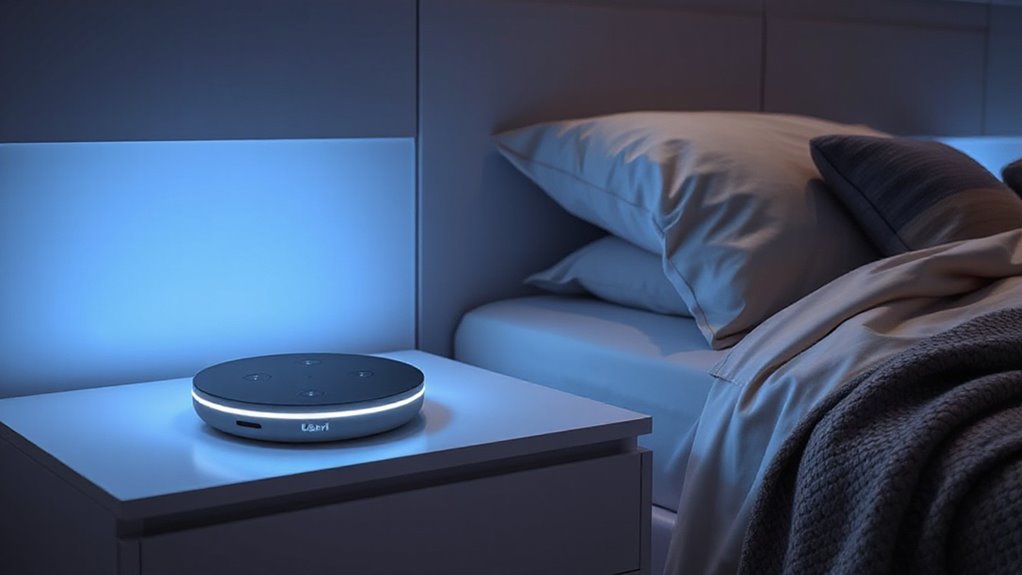

Creating a smart home environment optimized for sleep requires a hub that offers reliable automation, broad device compatibility, and privacy. In 2026, the market is filled with options, but three stand out: the Hubitat Elevation C-8 Pro for its local processing and privacy, the Aeotec Smart Home Hub for ease of setup and wide protocol support, and the Home Assistant for advanced customization and open-source flexibility. Each offers unique strengths and tradeoffs, so your choice depends on your technical comfort level, automation needs, and regional availability.

Get wellness gear delivered free with Prime
- Fast, free delivery on millions of items
- Prime Video, Amazon Music and more included
- Member-only deals all year
Key Takeaways
- Local processing significantly improves response times and privacy, favoring the Hubitat Elevation C-8 Pro.
- Protocol support and ease of setup vary, with Aeotec offering broad compatibility and Home Assistant providing extensive customization.
- Advanced users benefit from open-source options like Home Assistant, while beginners may prefer plug-and-play solutions like SmartThings.
- Regional compatibility and community support can influence your setup experience, especially with niche or open-source hubs.
- Tradeoffs include setup complexity versus flexibility, with more powerful options demanding more technical knowledge.
| Hubitat Elevation C-8 Pro Smart Home Hub, Local Control and Automations |  | Best Overall for Privacy and Local Control | Processor: 2.0 GHz | RAM: 2 GB | Connectivity: Wi-Fi, Ethernet | VIEW ON AMAZON | See Our Full Breakdown |
| Aeotec Smart Home Hub, Z-Wave, Zigbee, Matter Gateway, Compatible with Alexa and Google Assistant |  | Best for Ease of Setup and Broad Protocol Support | Connectivity: Wi-Fi, Ethernet | Protocols: Z-Wave, Zigbee, Matter | Compatibility: Alexa, Google Assistant | VIEW ON AMAZON | See Our Full Breakdown |
| SmartThings Hub 3rd Generation |  | Best for Ecosystem Integration and Automation | Compatibility: Alexa, Google Home | Protocols: Zigbee, Z-Wave, Cloud to Cloud | Color: White | VIEW ON AMAZON | See Our Full Breakdown |
| SMLIGHT SMHUB Essential – Professional Smart Home Control Hub with Zigbee, Thread, Wi-Fi & Bluetooth |  | Best for Technical Users and Open-Source Integration | Radio Support: Zigbee, Thread, Wi-Fi, Bluetooth | Expansion Modules: Z-Wave, 4G LTE, POE | Includes: 2x 5dB antennas | VIEW ON AMAZON | See Our Full Breakdown |
| Home Assistant Smart Home Hub with Advanced Automation |  | Best for Tech-Savvy Automation Enthusiasts | Processor: 64-bit Quad-Core Cortex-A53 | RAM: 4GB SDRAM | Storage: 64GB eMMC | VIEW ON AMAZON | See Our Full Breakdown |
| smart home hubs for sleep automation | Connectivity | Compatibility |
|---|---|---|
| Hubitat Elevation C-8 Pro Smar | Wi-Fi, Ethernet | Alexa, Google Home, Apple HomeKit, Ring |
| Aeotec Smart Home Hub | Wi-Fi, Ethernet | Alexa, Google Assistant |
| SmartThings Hub 3rd Generation | — | Alexa, Google Home |
| SMLIGHT SMHUB Essential | — | — |
| Home Assistant Smart Home Hub | WiFi | — |
More Details on Our Top Picks
Hubitat Elevation C-8 Pro Smart Home Hub, Local Control and Automations
This option stands out for processing automations locally, which means faster responses and enhanced privacy — critical for sleep routines that rely on timely device adjustments. The Hubitat Elevation C-8 Pro supports multiple protocols like Z-Wave, Zigbee, Matter, and Bluetooth, making it highly versatile for diverse sleep automation devices such as smart lights, thermostats, and sleep trackers. Compared to cloud-reliant hubs, it offers more reliability, but its setup can be more complex, requiring some technical knowledge. It’s an ideal choice for those who want a robust, privacy-focused hub that doesn’t depend on subscriptions or cloud services.
Pros:- Processes automations locally for quick response and privacy
- Supports multiple protocols for broad device compatibility
- Continuous free software updates with new features
- No mandatory subscription fees
Cons:- Setup may require technical skills and configuration
- Some advanced features need additional setup
- Limited details on specific device compatibility
Best for: Tech-savvy users seeking privacy, fast automations, and extensive protocol support
Not ideal for: Beginners or those preferring plug-and-play solutions
- Processor:2.0 GHz
- RAM:2 GB
- Connectivity:Wi-Fi, Ethernet
- Protocols Supported:Z-Wave 800 Series, Zigbee 3.0, Matter 1.5, Bluetooth
- External Antennas:Yes
- Compatibility:Alexa, Google Home, Apple HomeKit, Ring
Our verdict“A powerful, privacy-focused hub ideal for users comfortable with setup complexity and seeking broad protocol support.”
Aeotec Smart Home Hub, Z-Wave, Zigbee, Matter Gateway, Compatible with Alexa and Google Assistant
Compared with the Hubitat, the Aeotec Smart Home Hub offers a simpler, app-based setup process that appeals to those new to smart home automation. It supports Z-Wave, Zigbee, and Matter, making it compatible with a wide range of sleep automation devices, from smart lamps to climate controls. While it excels in user-friendliness, it is primarily designed for North American markets and relies on the SmartThings app, which can introduce some limitations for advanced users. This hub suits those who want a straightforward experience without sacrificing many protocols.
Pros:- Supports multiple protocols for device flexibility
- Easy setup via app with Wi-Fi or Ethernet
- Enables automation and voice control
Cons:- Limited regional support outside North America
- Requires the SmartThings app for management
- Less suitable for advanced automation customization
Best for: Homeowners looking for an easy setup and wide device compatibility
Not ideal for: Users outside North America or those seeking extensive customization
- Connectivity:Wi-Fi, Ethernet
- Protocols:Z-Wave, Zigbee, Matter
- Compatibility:Alexa, Google Assistant
- Supported Regions:North America
Our verdict“A user-friendly, versatile hub perfect for newcomers and those with diverse device ecosystems.”
SmartThings Hub 3rd Generation
For those already invested in the Samsung or SmartThings ecosystem, this hub offers seamless integration with a wide range of devices through Zigbee and Z-Wave. It supports automation based on triggers like door openings or presence detection, which can be useful for sleep routines that involve waking lights or thermostats. However, its reliance on cloud services for some features can introduce delays, and setup might be complex for beginners. It’s a solid choice for users prioritizing broad device support within a familiar ecosystem.
Pros:- Supports multiple protocols for diverse device integration
- Automation based on various triggers
- Compatible with popular voice assistants
Cons:- Requires compatible devices for full functionality
- Setup can be complex for novices
- Dependent on cloud services for some features
Best for: Smart home users already using or willing to invest in SmartThings
Not ideal for: Beginners or those seeking local-only control
- Compatibility:Alexa, Google Home
- Protocols:Zigbee, Z-Wave, Cloud to Cloud
- Color:White
Our verdict“Ideal for existing SmartThings users who want a reliable hub with broad protocol support and automation options.”
SMLIGHT SMHUB Essential – Professional Smart Home Control Hub with Zigbee, Thread, Wi-Fi & Bluetooth
The SMLIGHT SMHUB Essential is tailored for advanced users who want maximum flexibility. Running on Linux, it supports Zigbee, Thread, Wi-Fi, and Bluetooth, and can host open-source apps like Zigbee2MQTT and Matterbridge locally. While this makes it highly customizable and capable of supporting complex sleep automation setups, it requires a good deal of technical expertise to set up and manage. It’s best suited for those comfortable with command-line interfaces and open-source environments, offering unparalleled flexibility at the cost of simplicity.
Pros:- Supports multiple radio protocols including Zigbee, Thread, Wi-Fi, and Bluetooth
- Runs open-source apps locally for stability and control
- Includes expansion modules for Z-Wave, 4G LTE, and POE
Cons:- Requires significant technical knowledge to configure
- Limited user-friendly interface details
- Additional modules sold separately
Best for: Power users seeking open-source control and customization
Not ideal for: Beginners or those preferring straightforward plug-and-play hubs
- Radio Support:Zigbee, Thread, Wi-Fi, Bluetooth
- Expansion Modules:Z-Wave, 4G LTE, POE
- Includes:2x 5dB antennas
- OS:Linux-based
Our verdict“A highly flexible hub designed for technically proficient users who want full control and customization.”
Home Assistant Smart Home Hub with Advanced Automation
The Home Assistant offers unmatched customization for automation enthusiasts willing to invest time. Supporting over 2000 devices and multiple protocols, it runs entirely locally on a compact device with a powerful processor and ample RAM. Its open-source nature means you can tailor automations precisely to your sleep routines, integrating sensors, lights, and climate controls. However, the setup involves technical knowledge, and without a built-in interface, managing automations requires familiarity with configuration files or dashboards. This hub makes most sense for those who want a highly personalized sleep automation setup and don’t mind some initial complexity.
Pros:- Supports over 2000 devices and multiple protocols
- Runs locally for privacy and reliability
- Highly customizable automations
Cons:- Requires technical knowledge for setup
- No built-in display or direct control interface
- Open-source ecosystem may have a learning curve
Best for: Advanced users seeking maximum automation flexibility and local control
Not ideal for: Beginners or those preferring ready-made solutions
- Processor:64-bit Quad-Core Cortex-A53
- RAM:4GB SDRAM
- Storage:64GB eMMC
- Connectivity:WiFi
- Device Capacity:Supports over 100 devices
Our verdict“The best choice for automation experts wanting complete control over sleep routines.”

How We Picked
Our selection process focused on hubs that excel at sleep automation, prioritizing local control, protocol support, ease of use, and privacy. We reviewed each device’s compatibility with sleep-related devices such as smart lights, thermostats, and sound machines. Consideration was given to setup complexity, software updates, and community support, ensuring each option offers a different balance between user-friendliness and advanced customization. Regional availability was also factored in to reflect real-world usability.
| smart home hubs for sleep automation | Connectivity | Compatibility |
|---|---|---|
| Hubitat Elevation C-8 Pro Smar | Wi-Fi, Ethernet | Alexa, Google Home, Apple HomeKit, Ring |
| Aeotec Smart Home Hub | Wi-Fi, Ethernet | Alexa, Google Assistant |
| SmartThings Hub 3rd Generation | — | Alexa, Google Home |
| SMLIGHT SMHUB Essential | — | — |
| Home Assistant Smart Home Hub | WiFi | — |
Factors to Consider When Choosing Smart Home Hubs For Sleep Automation
Choosing the right smart home hub for sleep automation hinges on your technical comfort, device ecosystem, and privacy priorities. Whether you seek a simple plug-and-play device or a highly customizable platform, understanding key features like protocol support, local control, and automation flexibility will guide your decision. Consider how much complexity you’re willing to manage in exchange for control and privacy versus ease of setup and broad compatibility.Local Control vs. Cloud Dependence
Hubs that process automations locally, like the Hubitat Elevation C-8 Pro, offer faster responses and better privacy, which are vital for sleep routines that depend on timely device adjustments. Cloud-dependent hubs, such as the SmartThings Hub, rely on internet connectivity, which can introduce delays, especially if your internet is unreliable. Decide whether privacy and speed outweigh convenience and ease of setup for your sleep automation needs.
Protocol Support and Device Compatibility
If your sleep setup includes a mix of smart lights, thermostats, and sensors, ensure your hub supports Z-Wave, Zigbee, and possibly Matter. The more protocols a hub supports, the easier it is to integrate a variety of devices. The Hubitat Elevation and Home Assistant excel here, while some entry-level options may be limited to specific ecosystems or regions.
Ease of Use and Setup
Beginners or those who want quick setup should lean toward hubs like Aeotec or SmartThings, which offer app-based installation. Power users or those with existing smart home systems might prefer the flexibility of open-source platforms like Home Assistant or SMLIGHT, which require more initial effort but yield greater customization.
Compatibility and Ecosystem
Consider your existing devices and preferred voice assistants. If you’re already using Alexa or Google Assistant, pick a hub with native support. For those invested in the Samsung SmartThings ecosystem, the SmartThings Hub makes integration seamless. Open-source options work well for tech-savvy users who want to build complex automations across multiple protocols.
Frequently Asked Questions
Can I use these hubs to automate sleep routines?
Yes, these hubs are designed to connect and automate a variety of sleep-related devices such as smart lights, thermostats, and sleep sensors. They allow for routines like dimming lights at bedtime, adjusting room temperature, or turning on sleep sounds automatically, creating a more restful environment.
Do I need technical skills to set up these hubs?
The level of technical expertise varies. The Hubitat Elevation and Home Assistant require some familiarity with networking and configuration files, making them better suited for experienced users. Meanwhile, Aeotec and SmartThings are more user-friendly, with app-based setup to help beginners get started quickly.
Which hub offers the best privacy?
For maximum privacy, local control is key. The Hubitat Elevation C-8 Pro and Home Assistant run automations locally, avoiding cloud reliance. These options are ideal for users prioritizing data privacy and quick response times for sleep routines.
Are these hubs compatible worldwide?
Regional compatibility varies. The Aeotec Hub is primarily designed for North America, while the others like Hubitat and Home Assistant work globally, provided you have compatible devices and network setup. Always check regional support before purchasing if you are outside the main markets.
Can I expand these hubs with new devices later?
Most of these hubs support device expansion through protocols like Z-Wave and Zigbee, which are widely adopted. The open-source Home Assistant and SMLIGHT hubs offer even greater scalability with custom integrations and community-developed modules, making future expansion straightforward for tech-savvy users.
Conclusion
For those new to smart home automation or seeking hassle-free sleep routines, the Aeotec Smart Home Hub and SmartThings Hub provide straightforward setup and reliable performance. Tech enthusiasts and those comfortable with customization will find the Home Assistant and SMLIGHT hubs perfect for tailored sleep automation. Privacy-conscious users should prioritize hubs like Hubitat Elevation, which process automations locally. Ultimately, your choice depends on your technical skills, device ecosystem, and automation complexity preferences.