
TL;DR
Sleep tracking devices offer useful insights into sleep patterns, but their accuracy varies. They’re great for spotting trends and improving habits, not diagnosing disorders. Choose the right device based on your needs and remember their limits.
Sleep trackers are best for monitoring trends, not diagnosing disorders.
Wearables like the Oura Ring and Fitbit provide comprehensive data with about 70-80% accuracy.
Recent advances include AI-driven insights and better integration with health ecosystems.
Choose a device based on comfort, budget, and how much detail you want.
Always interpret sleep data within context and consult professionals for health concerns.
What Are Sleep Tracking Devices and How Do They Help You Sleep Better?
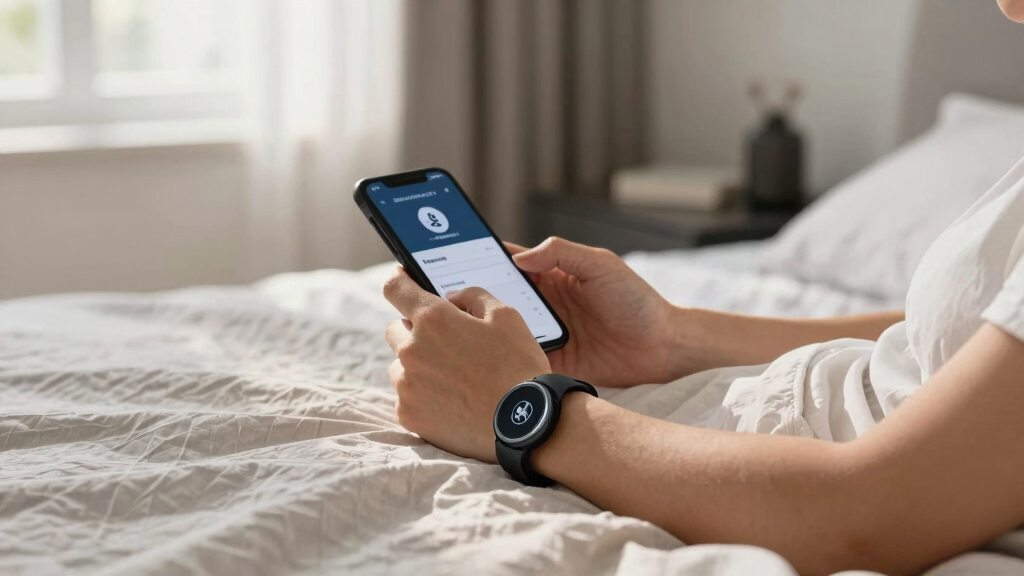
Sleep tracking devices are gadgets that monitor your sleep patterns, giving you a clearer picture of your rest. They track things like how long you sleep, how often you wake, and even the different sleep stages—light, deep, and REM. For example, a Fitbit or Apple Watch uses sensors to detect your movement and heart rate, translating that into sleep data.
Knowing these details helps you identify habits that disrupt your sleep. If your device shows you wake up frequently or spend too little time in deep sleep, you can start making simple adjustments. Think of it as having a coach who records your nightly performance and offers clues to improve your rest.

Garmin Index Sleep Monitor, Smart Sleep Band with Advanced Sleep Tracking and Recovery Metrics, S-M
Worn on the upper arm, this lightweight and breathable smart sleep band is available in two sizes for…
As an affiliate, we earn on qualifying purchases.
As an affiliate, we earn on qualifying purchases.
The Main Types of Sleep Trackers and Which Fits Your Lifestyle
Sleep trackers come in three main forms: wearables, non-wearable devices, and hybrid systems. Each has its perks and quirks.
Wearables
- Smartwatches (like Apple Watch)
- Fitness bands (like Fitbit or Xiaomi)
- Specialized sleep rings (like Oura Ring)
Wearables are popular because they double as activity trackers, giving you a comprehensive health picture. They sit comfortably on your wrist or finger, recording movement and heart rate.
Non-wearables
- Under-mattress sensors
- Bedside monitors with microphones or cameras
- Smartphone apps using the camera or microphone
These are less intrusive but can sometimes be less precise. For example, a sensor under your mattress detects your tossing and turning without you wearing anything.
Hybrid Devices
- Combine multiple sensors for richer data
- Example: a device that tracks movement, heart rate, and breathing patterns
Your choice hinges on comfort, budget, and how much detail you want.
Garmin Index Sleep Monitor, Smart Sleep Band with Advanced Sleep Tracking and Recovery Metrics, S-M
Worn on the upper arm, this lightweight and breathable smart sleep band is available in two sizes for…
As an affiliate, we earn on qualifying purchases.
As an affiliate, we earn on qualifying purchases.
What Sleep Metrics Do These Devices Track — And Why Do They Matter?
Sleep trackers measure more than just hours slept. Here’s what they typically record:
- Sleep duration: Total hours slept each night.
- Sleep stages: Light, deep, and REM sleep, which are vital for physical and mental restoration.
- Sleep quality: How efficiently you sleep, often expressed as a sleep score.
- Heart rate and variability: Indicators of stress and recovery during sleep.
- Breathing patterns: Detects irregularities that might signal issues like sleep apnea.
- Movement and restlessness: Helps determine how restful your sleep was.
For example, if your tracker shows you spend only 10% of your sleep in deep sleep, you might feel groggy even if your total sleep time seems fine. These subtleties matter because sleep quality is just as important as sleep quantity.

Withings Sleep – Sleep Tracking Pad Under The Mattress With Sleep Cycle Analysis
EXPLORE THE DEPTHS OF YOUR SLEEP PATTERN – Sleep is the ultra-powerful sleep monitor that allows you to…
As an affiliate, we earn on qualifying purchases.
As an affiliate, we earn on qualifying purchases.
Accuracy Matters: How Reliable Are Sleep Trackers Anyway?
Sleep trackers are good at spotting trends but aren’t perfect. They estimate sleep stages with about 70-80% accuracy, according to recent studies. That’s enough to see if your sleep is improving or declining, but not to diagnose a disorder.
For instance, a Fitbit might label a night as 7 hours with 20% deep sleep, but a clinical sleep study might find different proportions. Factors like device placement, movement, and environmental noise can throw off data. Think of it as a helpful map, not a GPS—useful but not infallible.
Always interpret sleep data as a trend indicator, not a definitive diagnosis. If you suspect sleep issues, consult a healthcare professional.
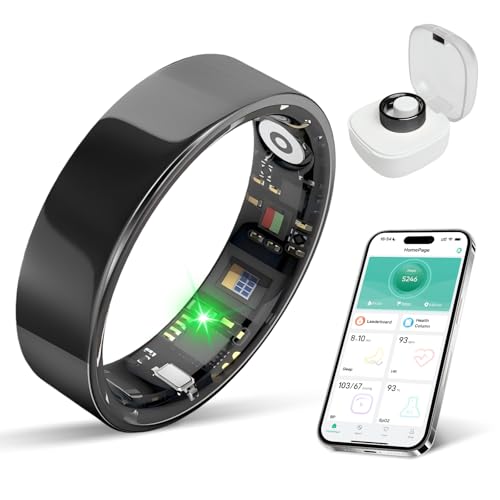
New Smart Ring Health Tracker for Women & Men, Sleep Exercise Health Monitoring, Daily Tracking, iOS/Android Compatible, IP68 Waterproof, No Subscription Required, 5‑Day Battery Life (Black, 12)
【Check the Size Before Purchase】 Before buying the BIEMHA Smart Ring, we strongly suggest that you refer to…
As an affiliate, we earn on qualifying purchases.
As an affiliate, we earn on qualifying purchases.
What’s New in Sleep Tech? The Latest Advances You’ll Love
Recent innovations are making sleep trackers smarter and more user-friendly. Some new devices incorporate sensors similar to EEGs, giving a glimpse into brain activity. Others use machine learning to refine sleep stage detection over time.
For example, the Oura Ring now offers personalized sleep insights powered by AI, helping you understand patterns unique to you. Integration is also smoother—many devices sync seamlessly with health apps, fitness platforms, and even telehealth services.
Additionally, some trackers now combine sleep data with activity, nutrition, and stress levels, offering a holistic view of your wellness. These advances mean your sleep device isn’t just a gadget but a personal health assistant.
Should You Trust Sleep Trackers for Your Sleep Health?
Sleep trackers are valuable tools, but they’re not medical devices. They can spot trends and help you understand your habits, but they don’t replace professional diagnosis. For example, if your device shows irregular breathing or frequent awakenings, that’s a sign to see a doctor.
Use them as a starting point—an alarm bell rather than a definitive answer. Remember, behavioral changes like sticking to a sleep schedule and avoiding screens before bed often trump device data for improving sleep quality.
And keep privacy in mind: review data policies and opt for trusted brands. Your sleep data is sensitive—treat it accordingly.
How to Choose the Right Sleep Tracker for Your Needs
- Assess your goals: Do you want general insights or detailed sleep stages?
- Consider comfort: Will you wear a ring, wristband, or prefer a non-wearable?
- Set a budget: Options range from $50 to over $300.
- Check compatibility: Does it sync with your phone or health app?
- Read reviews and validation studies: Look for devices with proven accuracy and good user feedback.
For example, if you’re a tech enthusiast seeking detailed data, the Oura Ring might suit you. If you prefer simplicity, a Fitbit or Apple Watch might be better.