TL;DR

Get wellness gear delivered free with Prime
- Fast, free delivery on millions of items
- Prime Video, Amazon Music and more included
- Member-only deals all year
Sleep tracking devices offer valuable insights into your sleep patterns, but they are estimates, not definitive diagnoses. Advances like AI and new sensors boost accuracy, helping you build better sleep habits with smarter data.
Imagine waking up feeling refreshed, knowing exactly how well you slept last night. That’s the promise of sleep tracking devices—gadgets that turn your sleep into data you can use. But how reliable are they? And how can they really help you get better rest?
Today, these devices are more than just fancy gadgets. They’re part of a growing movement toward smarter, healthier living. In this article, you’ll learn what types of sleep trackers are out there, how they work, and how to use their insights without falling for hype or inaccuracies.
Choose a sleep tracker that matches your comfort and goals—wearable or non-wearable, budget or premium.
Remember, most devices estimate sleep stages with about 70-80% accuracy—great for trends, not diagnoses.
Recent tech advances, like EEG sensors and AI, are making sleep tracking more precise and personalized.
Use your sleep data to identify habits that disrupt rest—then make small tweaks for better sleep quality.
Prioritize privacy and data security when selecting a device, and don’t rely solely on tech for health issues.
What Are the Main Types of Sleep Trackers and How Do They Differ?
Sleep tracking devices fall into three main categories: wearables, non-wearable sensors, and smartphone apps. Each has its unique way of monitoring your sleep, and their accuracy varies.
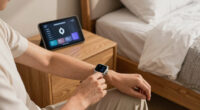
Wearables like Fitbit, Apple Watch, or Oura Ring sit on your wrist or finger. They track movement and heart rate, giving a decent picture of your sleep stages. For example, the Oura Ring is praised for its detailed sleep insights, thanks to its sensors that measure body temperature and heart rate variability.
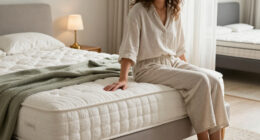
Non-wearable devices like Withings Sleep or Sleep Number beds use sensors embedded in your mattress or under it. These are less intrusive and often better for long-term use but may struggle with precise sleep stage detection. The tradeoff here is between convenience and accuracy; while they are less obtrusive, they may not capture subtle sleep disruptions as effectively as wearables.
Mobile apps utilize your phone’s accelerometer and microphone. Apps like Sleep Cycle analyze your movements and sounds to estimate when you’re asleep and awake, but they’re generally less accurate than dedicated devices. The implications are that while they’re easy to use, their insights should be interpreted as rough estimates rather than precise data, which can lead to misjudging your sleep quality if relied on exclusively.
Products Worth Considering

Oral-B iO5 Rechargeable Electric Toothbrush with 3 Brush Heads and Travel Case, Black

Oral-B iO Series 3 Rechargeable Electric Toothbrush for Adults, Black

Garmin Forerunner 570 GPS Running Smartwatch, 47mm, Aluminum, Black
As an affiliate, we earn on qualifying purchases.
What Sleep Metrics Do These Devices Track & Why They Matter
Sleep trackers measure a handful of key aspects to give you a full picture of your rest. These include total sleep duration, sleep stages (light, deep, REM), sleep latency (how long it takes to fall asleep), and WASO (wake after sleep onset).
Understanding these metrics is crucial because they reveal not just how long you sleep, but how restorative that sleep is. For example, a person might get 8 hours of total sleep but spend very little time in REM or deep sleep, which are essential for memory consolidation and physical recovery. Recognizing these patterns helps you identify specific issues—like prolonged sleep latency indicating anxiety, or low REM sleep suggesting possible disruptions—that simple sleep duration data can’t provide.
They also monitor heart rate and variability, which can hint at stress or recovery levels. For instance, elevated resting heart rate during sleep might signal stress or an underlying health issue. Some devices track snoring and movement, providing clues about potential issues like sleep apnea or restless sleep. These insights can be critical for early detection of health problems, prompting you to seek medical advice before symptoms worsen.
For example, a fitness band might show you that you get 6 hours of sleep, with only 15 minutes of REM. This insight can motivate you to tweak your bedtime routine for more restorative sleep, such as increasing total sleep time or improving sleep quality by reducing disturbances. The deeper understanding of why these metrics matter can guide targeted lifestyle changes, leading to more effective improvements in sleep health.
How Accurate Are Sleep Trackers & What Are Their Limits?
Sleep trackers are useful tools but aren’t perfect. Wearables that use accelerometers and heart rate sensors typically estimate sleep stages with about 70-80% accuracy. They’re good for spotting trends but shouldn’t replace clinical tests. The tradeoff here is between convenience and precision; while they can give you a general idea of your sleep patterns, they often miss nuanced disruptions or complex sleep disorders that require professional diagnosis.
Non-wearable sensors might be less precise for sleep stages but excel at measuring total sleep time without disturbing your sleep environment. Environmental factors like noise, movement, or device placement can affect data quality, which means that external factors can sometimes distort your sleep picture. Recognizing these limitations helps you interpret data more realistically—using it as a helpful guide rather than a definitive diagnosis.
For example, a person with sleep apnea might see irregular patterns on their tracker, such as frequent awakenings or fluctuating heart rates. However, only a sleep study can confirm the diagnosis. This illustrates that while sleep trackers are valuable for tracking trends and identifying potential issues, they are not substitutes for comprehensive medical evaluations. The key is to understand their role as preliminary tools that can prompt further investigation if needed.
What’s New? The Latest Tech That’s Changing Sleep Tracking
Recent advances are making sleep trackers more precise and less intrusive. Some now incorporate EEG sensors—like Muse headbands—that measure brain activity, which provides a more detailed understanding of sleep stages than movement alone. This technology allows for a closer approximation to clinical sleep studies, reducing the guesswork involved in stage classification and offering richer insights into sleep quality.
AI and machine learning algorithms are refining how devices interpret data, leading to better accuracy and personalized insights. For example, newer devices can detect early signs of sleep issues, such as frequent awakenings or irregular sleep cycles, prompting users to seek medical advice sooner. This proactive approach can catch problems before they become serious, emphasizing the importance of continuous data collection and analysis.
Smart home integration is growing too. Devices can now sync with your thermostat or lighting, adjusting your environment based on your sleep patterns—imagine your bedroom cooling slightly as you enter deep sleep or lights gradually dimming to prepare you for rest. These innovations demonstrate how technology is becoming more interconnected, creating a more holistic approach to sleep health that combines physical sensors with ambient environmental controls.
Choosing the Right Sleep Tracker for You: Tips & What to Watch For
Picking a sleep tracker depends on your goals, comfort, and budget. Do you want detailed sleep stage data or just a general sense of sleep quality? Are you comfortable wearing a device all night?
Look for features like:
- Comfortable fit
- Reliable battery life
- Syncing with your favorite health apps
- Data privacy policies
Popular options include Fitbit for affordability, Oura Ring for detailed insights, and Apple Watch if you want multi-functionality. Remember, the most expensive isn’t always the best; choose what fits your lifestyle and needs. Consider tradeoffs such as battery life versus data granularity or comfort versus features, and think about how these factors align with your sleep goals.
For example, if you hate wearing things on your finger, a non-wearable mattress sensor might be better. Consider your habits and preferences to pick the right fit, knowing that a well-suited device can motivate consistent use, which is key to meaningful insights.
How to Use Sleep Data to Actually Improve Your Sleep
Knowing your sleep patterns is just the start. Here’s a simple step-by-step plan:
- Track your sleep for at least a week to spot trends and identify patterns.
- Identify habits that might be harming your sleep—late-night screen time, caffeine intake, irregular bedtimes, or environmental disturbances.
- Set realistic sleep goals, like aiming for 7-8 hours or reducing wake-ups, based on your baseline data.
- Adjust your environment—dim lights, keep the room cool, and invest in a comfortable mattress and pillows.
- Use your data as motivation—see progress over time, and tweak habits accordingly. Understanding which behaviors improve or hinder your sleep can help you develop sustainable routines.
For example, if your tracker shows you wake up frequently, reducing alcohol or establishing a calming bedtime routine can make a significant difference. Small, informed changes based on your specific data can lead to better sleep quality and overall health, reinforcing the value of personalized adjustments rather than one-size-fits-all solutions.
Frequently Asked Questions
How accurate are sleep tracking devices?
Most devices give useful estimates, especially for total sleep time and general patterns. However, their accuracy in detecting sleep stages varies—usually around 70-80%. They’re great for tracking trends but shouldn’t replace clinical sleep studies for diagnosing disorders.
Can sleep trackers diagnose sleep disorders?
No, they can’t diagnose conditions like sleep apnea or insomnia. Some devices offer preliminary screening features, but a medical professional’s assessment is needed for diagnosis and treatment.
Which sleep tracker is best for me?
The best device depends on your preferences: comfort, budget, and what metrics matter most. Popular choices include Fitbit for affordability, Oura Ring for detailed insights, and Apple Watch for multi-use functionality. Think about your lifestyle when choosing.
How can I make my sleep better with device data?
Review your sleep patterns, identify habits that interfere—like late caffeine or irregular hours—and adjust accordingly. Small changes, like setting a consistent bedtime or creating a calming environment, can lead to noticeable improvements.
Are there privacy concerns with sleep tracking devices?
Yes, these devices collect sensitive health data. Always check privacy policies and choose reputable brands that prioritize data security. Your sleep insights are personal—treat them that way.
Conclusion
Sleep trackers aren’t magic wands, but they’re powerful tools for understanding your nightly reset. Use them as guides, not gospel, and let the insights inspire small, manageable changes.
Imagine the peaceful glow of a well-rested day—your best sleep is within reach, as long as you keep listening to what your body and your devices tell you.