TL;DR
A paid-partnership article outlines how hot sleepers can compare cooling mattresses, including passive materials and active temperature-control systems. It also discusses construction, firmness and options for couples, while offering no independent testing or evidence that one approach works for everyone.
A paid-partnership consumer guide describes what hot sleepers can look for in a cooling mattress, comparing breathable materials with systems that actively manage the bed’s temperature. The article also discusses mattress construction, firmness and separate temperature settings for couples, and names Sleep Number’s ClimateCool as one example of an active-cooling model.

Get wellness gear delivered free with Prime
- Fast, free delivery on millions of items
- Prime Video, Amazon Music and more included
- Member-only deals all year
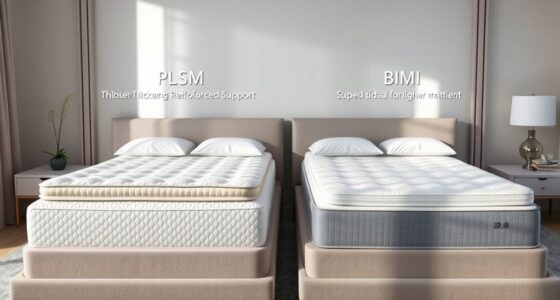
The guide distinguishes passive cooling from active temperature control. Passive designs use features such as breathable covers, cooling foams, latex or ventilated coils to help heat escape. Some also use phase-change materials, which are designed to absorb and release heat as temperatures fluctuate. Active systems use technology intended to regulate the sleeping surface directly; the source says some designs circulate air or use other temperature-management technology.
It says mattress construction can affect how warm a bed feels. Memory foam’s close contouring may retain heat for some sleepers, while some newer foam designs add cooling covers, gel-infused materials or ventilation. Hybrid beds pair foam or latex comfort layers with coils, whose open spaces may support airflow. Latex is described as a more responsive alternative for people who prefer less of the deep-sinking feel associated with memory foam. The guide emphasizes that the cover and comfort layers matter alongside the mattress’s main support structure.
The article identifies Sleep Number ClimateCool, part of the company’s Climate collection, as an active temperature-control option. It says the model lets partners adjust firmness and temperature separately on each side. Those product descriptions come from a source labeled as a paid partnership with Sleep Number; the material does not provide independent test results or comparative performance data.
Choosing a cooling mattress for hot sleepers
Compare how a mattress manages heat alongside its firmness, support and comfort. The sponsored guide describes options, but provides no independent performance testing.
Two approaches to cooling
Mattresses may use materials that help heat escape or technology intended to regulate the sleeping surface.
- Breathable covers and ventilated coils
- Latex or cooling foam materials
- Phase-change materials designed to absorb and release heat
- Technology intended to regulate bed temperature
- Some designs circulate air
- ClimateCool is one named example
Construction shapes the feel
Consider the cover and comfort layers as well as the support structure.
Close contouring
May retain heat for some sleepers; newer designs may add cooling covers, gel or ventilation.
Foam or latex with coils
Open spaces between coils may support airflow.
More responsive feel
An option for people who prefer less deep sinking than memory foam.
Match comfort to the sleeper
Cooling is only one part of choosing a mattress that feels right.
Pressure relief and support can matter alongside temperature.
Some prefer cushioning and contouring; others prefer resting closer to the top.
Separate temperature or firmness settings may help couples with different preferences.
Check the evidence and terms
The guide is a paid partnership and does not establish how well any cooling feature performs.
- Look for independent temperature testing and comparisons.
- Check materials, firmness choices and whether controls work independently on each side.
- Review trial periods, return policies and warranty coverage.
Cooling Must Fit More Than Temperature
For shoppers who wake up warm, the distinction between passive airflow and active temperature management can help narrow a crowded market. But a cooling feature is only one part of the decision: support, pressure relief and firmness still affect whether a mattress suits a person’s sleeping position and comfort preferences.
The trade-offs described in the guide are practical rather than universal. A deeply contouring surface may feel comfortable to some side sleepers, who often want cushioning at the shoulders and hips, but the source notes that some people may find it warmer. A firmer surface can appeal to people who prefer to rest closer to the top of the bed. Neither firmness nor a particular material is presented as the right choice for everyone.
Couples may also have different needs. A mattress with separate temperature controls could let one partner choose a cooler setting without imposing it on the other, according to the product description. That feature may matter to shoppers who disagree on temperature or firmness, though the article does not establish how well any particular system performs in independent testing.
Products Worth Considering

BowFlex Results Series SelectTech Adjustable Dumbbells (Pair)

Hyperice Hypervolt Go 3 Percussion Massage Gun with Carry Case

Therabody Theragun Prime 6th Generation Deep Tissue Massage Gun, Navy
As an affiliate, we earn on qualifying purchases.
Two Ways Mattresses Manage Heat
The source frames mattress cooling as a set of design choices, not a single standard feature. Passive approaches aim to reduce heat buildup through breathable materials and airflow. Phase-change materials are another option described in the guide, intended to absorb and release heat as conditions change. These features may contribute to a bed’s feel, but the source provides no measurements comparing their cooling effects.
Active approaches add technology intended to regulate the sleep surface rather than relying only on the mattress materials. The guide suggests that this may offer more flexibility for sleepers whose temperature preferences vary overnight. It does not specify technical performance figures, explain how quickly a system changes temperature, or compare operating costs.
The article recommends that shoppers think about when they feel too warm—at bedtime or later in the night—and whether their preferences change. It also advises weighing the mattress’s entire construction and considering sleeping position. These are shopping prompts in a sponsored guide, not findings from a reported consumer survey or product test.
Performance Claims Lack Test Data
The supplied source does not include independent testing, measured temperature changes, or head-to-head comparisons of active and passive cooling mattresses. It also does not provide prices, warranty terms, trial periods, energy use, or details about the ClimateCool system’s technical operation. Readers cannot use this material alone to determine how much cooler a model may feel or whether its results will last through the night.
The guide describes materials and product features but does not establish that a cooling mattress will resolve disrupted sleep or daytime tiredness. Individual comfort can vary, and the source does not offer clinical evidence linking a particular mattress to improved sleep outcomes. Its paid-partnership status is relevant when weighing the named product’s description.
Compare Features Before Buying
The source gives no upcoming announcement, test results or follow-up milestone. For shoppers, the next step is to compare the specific mattress specifications and terms for models under consideration, including materials, firmness choices, temperature controls, trial periods and warranty coverage. Couples can check whether controls are genuinely independent on each side.
Where possible, buyers can use a retailer’s trial period to assess comfort under their usual sleeping conditions and review the return policy before purchase. The source does not say whether Sleep Number or another manufacturer will release further information about cooling performance.
Key Questions
What is the difference between passive and active mattress cooling?
Passive cooling uses materials and construction—such as breathable covers, latex or ventilated coils—to help heat escape. Active systems use technology intended to regulate the sleeping surface directly. The source does not provide comparative test results showing which approach cools more.
Does memory foam always sleep hot?
No. The guide says traditional memory foam can retain heat for some sleepers because it contours closely, but some newer designs add cooling covers, gel-infused materials or ventilation. Mattress feel depends on the full construction, and the source does not provide performance testing across models.
What should couples look for in a cooling mattress?
Partners with different preferences may look for independent temperature settings and, if available, separate firmness adjustments. The guide says Sleep Number ClimateCool offers separate settings on each side, but provides no independent assessment of that feature.
Does a cooling mattress guarantee better sleep?
No such guarantee is established in the source. It presents cooling features as ways to manage temperature and comfort, but offers no clinical evidence or independent results showing that a particular mattress improves sleep for all users.
Source: digitaltrends.com