Many misconceptions about sleep can actually keep you awake longer. For example, thinking you need to fall asleep instantly is unrealistic; relaxing routines and a calm environment are key. Believing you must sleep through the night without awakening isn’t true either—patience and proper bedtime practices matter more. If you want to learn how sound science and good habits can improve your sleep naturally, keep exploring proven techniques to bust these myths.

Get wellness gear delivered free with Prime
- Fast, free delivery on millions of items
- Prime Video, Amazon Music and more included
- Member-only deals all year
Key Takeaways
- Falling asleep instantly is uncommon; establishing a relaxing routine helps your body naturally transition to sleep.
- Stressing about sleep can hinder falling asleep; patience and calming activities improve sleep onset over time.
- The idea that everyone needs 8 hours is a myth; sleep needs vary individually and depend on overall health.
- Using soundscapes and relaxation techniques can boost sleep quality, contrary to beliefs that technology disrupts sleep.
- Waking during the night is normal; maintaining consistent routines and a peaceful environment supports better sleep continuity.
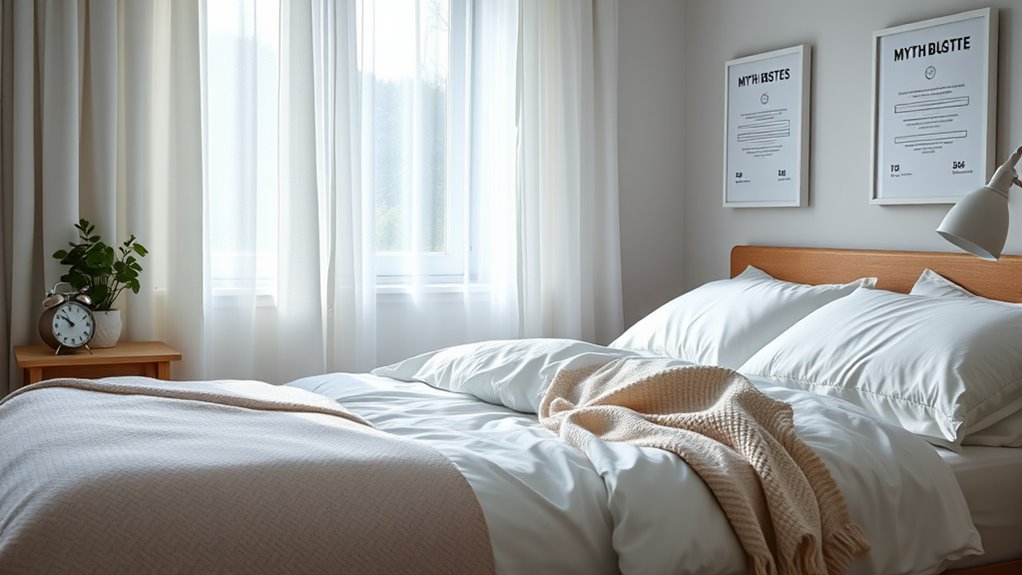
Another misconception is that you should be able to fall asleep instantly. The reality is, it’s normal to take some time to drift off. Rushing or stressing over falling asleep can actually make it harder. Instead, practice good sleep hygiene by establishing a relaxing bedtime routine—perhaps reading, stretching, or listening to calming music. Avoiding stimulating activities before bed helps your mind transition into sleep more smoothly. If you find yourself lying awake often, don’t get frustrated; instead, focus on creating a peaceful environment and give your body time to relax. Over time, your sleep habits will improve, and falling asleep will become easier. Incorporating elements like calming soundscapes, which are supported by sound healing science, can further promote relaxation and ease the transition into sleep.
Products Worth Considering

Withings ScanWatch Light Hybrid Smartwatch – White

Oral-B iO7 Rechargeable Electric Toothbrush, Deep Clean + Protect, White

Garmin Forerunner 265S GPS Running Smartwatch, 42 mm, Light Pink/Powder Gray
As an affiliate, we earn on qualifying purchases.
Frequently Asked Questions
Can Napping Replace a Full Night’s Sleep Effectively?
Napping can’t fully replace a full night’s sleep, but it can help temporarily boost your alertness. Keep your nap duration around 20-30 minutes to avoid grogginess and improve sleep quality. Longer naps may disrupt your nighttime sleep, reducing overall restfulness. While naps are beneficial, they shouldn’t substitute consistent, quality sleep at night. Prioritize a regular sleep schedule to guarantee your body gets the restorative sleep it needs.
Does Alcohol Help or Hinder Sleep Quality?
Alcohol effects your sleep by initially making you feel drowsy, but it ultimately hinders sleep quality. It causes sleep disruption, leading to fragmented and less restorative rest. You might fall asleep faster, but you’re likely to wake up multiple times and experience poorer REM sleep. For better sleep, avoid alcohol close to bedtime, as it interferes with your sleep cycle and leaves you feeling more tired during the day.
Are Dreams Necessary for Healthy Sleep?
You’ve heard “dreams are the window to the soul,” and it’s true. Dreams play a key role in your sleep cycles, helping process emotions and memories. While not strictly necessary for physical rest, they contribute to mental health and overall sleep quality. Ignoring dream importance can disrupt your sleep harmony. So, embracing your dreams supports balanced sleep and a healthier mind.
How Does Screen Time Before Bed Affect Sleep?
Using screens before bed exposes you to blue light, which can disrupt your sleep by suppressing melatonin. This interference makes it harder for you to fall asleep and reduces sleep quality. To improve your sleep hygiene, establish a calming bedtime routine that avoids screens. Limiting screen time before bed helps promote better sleep, ensuring you wake up refreshed and ready for the day.
Is It True That Older Adults Need Less Sleep?
Yes, it’s true that older adults often experience age-related sleep changes, but they still need about 7-8 hours of sleep each night. As you age, your sleep duration recommendations remain similar, though you might notice lighter, more fragmented sleep. You shouldn’t cut back on sleep; instead, focus on good sleep habits to improve quality. Proper rest helps you stay alert, healthy, and function well throughout the day.
Conclusion
Now that you’ve shed light on sleep myths, picture your nights as a tranquil lake, rippling with clarity and calm. When you let go of misconceptions, you create space for genuine rest to wash over you, smoothing out the waves of exhaustion. Embrace the truth about sleep, and watch your mind and body drift effortlessly into a peaceful, restorative horizon. Your journey to better sleep begins with understanding what’s real—so relax, breathe, and let the night’s serenity take hold.