
TL;DR

Get wellness gear delivered free with Prime
- Fast, free delivery on millions of items
- Prime Video, Amazon Music and more included
- Member-only deals all year
Recent tests in European countries detected residues of pesticides banned in the EU in everyday foods such as rice, tea, and spices. The findings highlight ongoing risks from imported products and regulatory gaps. The European Commission faces pressure to strengthen food safety controls.
Laboratory tests across several European countries have found residues of pesticides banned in the EU in common food products such as rice, tea, and spices, raising concerns about food safety and import controls. The findings come amid ongoing debates over pesticide regulation and import standards within the European Union.
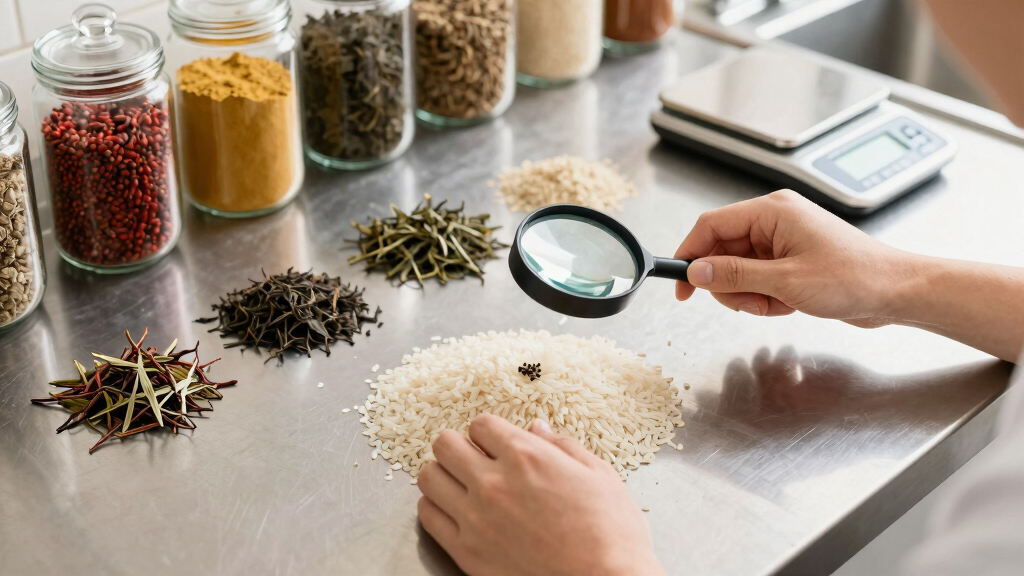
Foodwatch’s recent laboratory analysis of 64 food products from the Netherlands, France, Austria, and Germany revealed that 45 contained residues of pesticides not approved for use within the EU. These products included rice, paprika powder, various teas, cumin seeds, and curry powder. Among these, 14 samples exceeded legal residue limits, making them unfit for sale under current regulations.
All paprika, chili, and cumin samples tested contained non-approved pesticide residues, with one paprika sample containing as many as 22 different pesticides, including six banned substances. Frequently detected banned pesticides included Chlorfenapyr, Bifenthrin, Spirotetramat, Clothianidin, Thiametoxam, Imidacloprid, and Isoprothiolane. Official data from the European Chemicals Agency indicates that six of these pesticides were exported from EU countries to third nations in 2024–2025, then potentially re-entered the EU as residues in imported foods.
The report highlights the phenomenon of a ‘toxic pesticides boomerang,’ where pesticides banned in the EU are still exported and later detected in imported foods, posing potential health risks to consumers.
Implications for Consumer Safety and Regulatory Oversight
The presence of EU-banned pesticides in everyday foods underscores significant gaps in the EU’s food safety and import controls. Consumers may unknowingly ingest chemicals that are prohibited within the Union, raising concerns about long-term health effects. The findings also question the effectiveness of current regulations and enforcement, especially regarding imported products from third countries.
This situation could undermine public trust in food safety standards and puts pressure on policymakers to tighten controls and review import policies. The ongoing export of banned pesticides from EU countries to third nations and their subsequent return as residues in imported foods highlight a loophole that needs urgent addressing.
Products Worth Considering

Bowflex SelectTech 840 Adjustable Kettlebell

Garmin Forerunner 165 GPS Running Smartwatch, 43 mm, Whitestone

Fitbit Sense 2 Health and Fitness Smartwatch, Shadow Grey/Graphite
As an affiliate, we earn on qualifying purchases.
Background on Pesticide Regulations and Export Practices
Within the EU, strict regulations ban the use of many pesticides deemed hazardous to health and the environment. Despite this, reports from foodwatch and other sources indicate that certain pesticides continue to be exported from EU member states to non-EU countries. These pesticides are sometimes used in other regions or stored for export, then reappear in imported foods as residues.
Previous investigations have documented similar issues, with residues of banned pesticides detected in various food products, fueling ongoing debates about the effectiveness of EU import controls and the enforcement of pesticide bans. The European Chemicals Agency’s data shows continued export of some of these substances, complicating the regulatory landscape.
The current findings reinforce concerns that existing measures may be insufficient to prevent banned substances from entering the EU market through imports, posing risks to consumer health and regulatory credibility.
“The detection of multiple non-approved pesticides in common foods is alarming and indicates gaps in our import controls.”
— an anonymous researcher
“Our tests reveal a ‘toxic pesticides boomerang’ where banned substances are exported and then reappear in EU-imported foods, threatening public health.”
— foodwatch spokesperson
Unconfirmed Aspects of Pesticide Re-Entry and Enforcement
It remains unclear how widespread the re-entry of banned pesticides is across the entire EU market, or whether current enforcement measures are sufficient to prevent this process. Details about specific import pathways and the full extent of contaminated products are still emerging, and regulatory agencies have yet to release comprehensive data or policy responses.
Next Steps for Regulation and Consumer Protection
European authorities are expected to review import controls, strengthen testing protocols, and possibly revise pesticide regulations to close loopholes. Consumer advocacy groups will likely continue pressuring policymakers to act swiftly. Further investigations and broader testing are anticipated to assess the full scope of the issue.
Key Questions
Are these pesticide residues dangerous to health?
The residues include substances banned in the EU, which are considered hazardous. However, the specific health risks depend on levels of exposure and individual susceptibility. Regulatory limits aim to protect consumers, but the presence of banned pesticides raises concerns about potential long-term effects.
How are banned pesticides ending up in EU foods?
Many of these pesticides are exported from EU countries to third nations, then re-imported as residues in food products. This process exploits gaps in import controls and enforcement, allowing banned substances to enter the EU market indirectly.
What actions is the EU taking to address this issue?
Authorities are expected to review import and testing policies, with calls from advocacy groups for stricter controls. Specific regulatory changes are still under discussion, and comprehensive measures are yet to be announced.
Which foods are most affected by pesticide residues?
Foods such as rice, paprika powder, chili, cumin seeds, and various teas showed the highest presence of residues, including multiple banned pesticides, according to recent tests.
Will consumers be notified about contaminated products?
Currently, there is no widespread notification system for contaminated imported foods. Regulatory agencies may issue recalls or alerts if residue levels are found to pose significant health risks.
Source: Hacker News