
TL;DR
A federal permitting slowdown has delayed hundreds of US solar projects, threatening future growth. Experts warn that continued delays could stall progress despite high demand for clean energy.
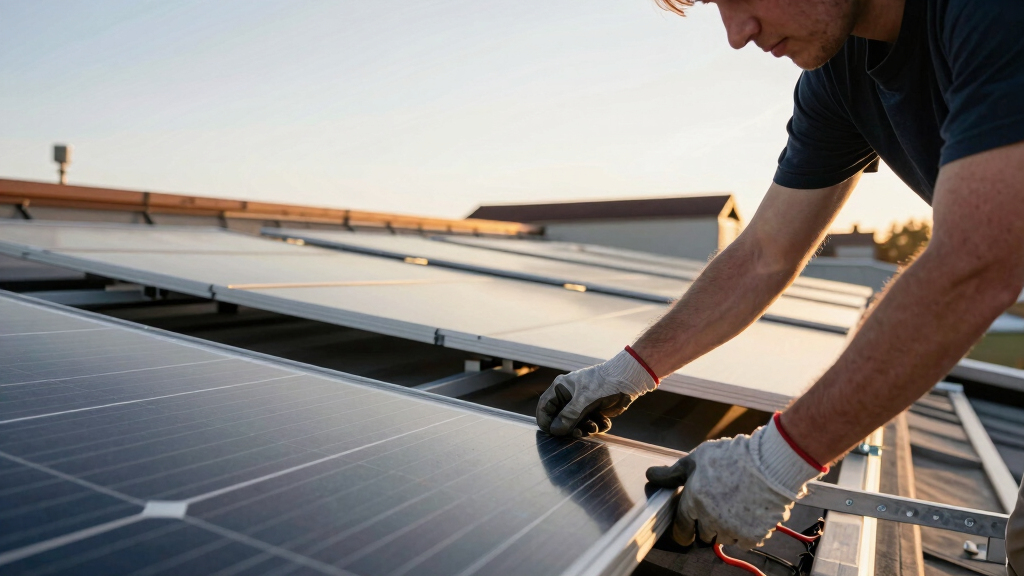
Federal permitting delays are significantly slowing the development of solar projects across the United States, threatening to stall the sector’s growth despite rising demand for clean energy solutions.
According to the latest US Solar Market Insight report by SEIA and Wood Mackenzie, approximately 457 solar and energy storage projects currently have pending permits, making them vulnerable to political delays and cancellations. These delays are attributed to a sluggish federal permitting process that has become a bottleneck for new solar capacity additions.
SEIA’s interim president and CEO, Darren Van’t Hof, emphasized that despite solar commanding 91% of new capacity in the first quarter, regulatory gridlock is impeding the sector’s expansion. An anonymous researcher from the report noted that U.S. solar additions are forecasted to remain flat over the next five years, despite increasing demand and utility procurement efforts, due to ongoing permitting bottlenecks.
Impacts on US Energy Transition and Economy
The delay in solar project approvals threatens to slow the United States’ transition to cleaner energy, potentially increasing reliance on fossil fuels and raising electricity costs. As solar power is among the most cost-effective and mature renewable sources, these regulatory hurdles could undermine efforts to meet climate targets and energy security goals. The stagnation also risks economic impacts, including job losses in the renewable sector and reduced investments in green infrastructure.

Photovoltaic Solar System Installer Label Kit | 2020 | 2017 Code | Electrical Panel Safety Stickers | PV Power Source Warning Set | Caution Solar Circuit | Outdoor Durability (48 Pack)
- Comprehensive Safety Label Kit: Includes 48 vinyl safety stickers
- Code Compliance: Meets 2020 and 2017 standards
- Inspection and Warning Stickers: Electrical, PV, and circuit safety labels
As an affiliate, we earn on qualifying purchases.
As an affiliate, we earn on qualifying purchases.
Persistent Permitting Challenges in US Solar Sector
Over recent years, the US solar industry has experienced rapid growth driven by decreasing costs, technological advances, and policy support. However, permitting processes at the federal level have become increasingly complex and politicized, creating delays for hundreds of projects. These bottlenecks have been highlighted repeatedly, with industry leaders warning that they threaten to undermine the sector’s momentum just as solar becomes more affordable and widespread.
The current situation reflects longstanding frustrations with regulatory inefficiencies, compounded by political disagreements over energy policy. Despite high demand and utility procurement increases, the permitting delays persist, leading to forecasts of stagnation in new solar capacity additions over the coming years.
“U.S. solar additions are forecasted to remain flat over the next five years despite increasing demand and utility procurement efforts, due to ongoing permitting bottlenecks.”
— an anonymous researcher

ECO WORTHY 10000W Output Complete Off-Grid Solar Panel Kit for Home| 10KW 120V/240V Output Split Phase Inverter| 48V 314Ah16.1kWh High Capacity Energy Storage| 2950W Solar Panel PV| Whole House System
- Power Output: 10kW with split-phase support
- Solar Panels: 5 × 590W panels, 2950W capacity
- Energy Storage: 48V 314Ah LiFePO₄ battery, 16.1 kWh
As an affiliate, we earn on qualifying purchases.
As an affiliate, we earn on qualifying purchases.
Extent and Duration of Permitting Delays Still Unclear
It remains unclear how long federal permitting delays will persist or whether recent policy changes might alleviate the bottleneck. Details about specific project cancellations or the potential for regulatory reform are still emerging, and the full impact on future solar capacity remains uncertain.
ECO WORTHY 10000W Output Complete Off-Grid Solar Panel Kit for Home| 10KW 120V/240V Output Split Phase Inverter| 48V 314Ah16.1kWh High Capacity Energy Storage| 2950W Solar Panel PV| Whole House System
- Power Output: 10kW with split-phase support
- Solar Panels: 5 × 590W panels, 2950W capacity
- Energy Storage: 48V 314Ah LiFePO₄ battery, 16.1 kWh
As an affiliate, we earn on qualifying purchases.
As an affiliate, we earn on qualifying purchases.
Monitoring Policy Changes and Project Approvals
Industry analysts and stakeholders will closely watch federal policy developments and permit approval rates over the coming months. Efforts to reform permitting processes or streamline approvals could determine whether the sector can regain momentum or face prolonged stagnation.
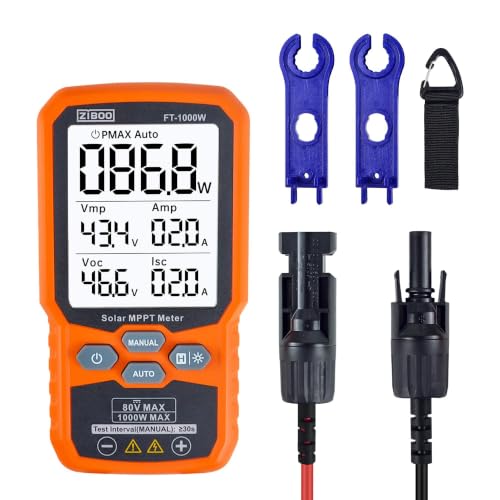
ZIBOO FT-1000W Solar Panel Tester MPPT Meter – 1000W Max Power, 80V/35A PV Module Tester for Voc/Isc, Open Circuit Voltage & Short Circuit Current, with Backlight & Data Hold
- Maximum Power Measurement: Up to 1000W with high accuracy
- Voltage and Current Testing: Measures Voc (12-80V) and Isc (35A)
- Real-Time MPPT Tracking: Optimizes Vmp and current for efficiency
As an affiliate, we earn on qualifying purchases.
As an affiliate, we earn on qualifying purchases.
Key Questions
How many solar projects are currently delayed due to permitting issues?
Approximately 457 solar and energy storage projects currently have pending permits, making them vulnerable to delays or cancellations.
Why are permitting delays affecting solar growth?
The federal permitting process has become a bottleneck, causing delays in project approvals that are critical for expanding solar capacity.
What are the potential consequences of stalled solar growth?
Stalled growth could slow the US transition to clean energy, increase reliance on fossil fuels, and lead to higher electricity costs for consumers.
Is there any hope for resolving these permitting issues?
Reform efforts and policy changes could potentially streamline the process, but it is unclear how quickly these will be implemented or how effective they will be.
Source: CleanTechnica