TL;DR
Sleep tracking sleep masks combine light blocking with sensors that estimate sleep and wake patterns, and some also offer audio or gentle light features. They may help you spot broad changes in your routine, but their sleep stages are estimates—not diagnoses—and a comfortable basic mask may serve you better if darkness is your main need.
A mask can make a bright hotel room feel like midnight, but a sleep tracking mask adds another question to the morning: what did its sensors actually learn while you slept? These devices pair an eye covering with sensors that estimate sleep-related signals, giving you darkness and a digital record in one wearable.

Get wellness gear delivered free with Prime
- Fast, free delivery on millions of items
- Prime Video, Amazon Music and more included
- Member-only deals all year
This guide explains what the readings can show, where they fall short, and how to compare fit, battery life, apps, and privacy. You’ll also see when a simple mask may be the more useful choice—because the best feature is one you can wear comfortably through the night.
Think of the mask as a notebook with a blackout curtain attached. It can help you notice a pattern over several weeks, such as a later bedtime after evening shifts, but it cannot tell you the full story behind one restless night. That distinction helps you use the data without letting a morning score set the mood for your day.
A tracking mask can block light and estimate sleep-related patterns, but its readings are not a diagnosis.
Use several nights of data to notice routine changes; do not treat one sleep score as a full measure of how you slept.
Check fit, heat, side-sleeping comfort, battery life, cleaning instructions, app costs, and privacy before buying.
If darkness is your main need, a simple comfortable mask may be enough.
Ask a qualified health professional about persistent symptoms such as frequent waking or ongoing daytime exhaustion.
What a sleep tracking mask can tell you about your night
Sleep tracking sleep masks combine light blocking with sensors that estimate sleep-related signals, often including movement and periods of wakefulness. Depending on the model, they may also display sleep stages or other metrics. Those results are estimates, not a clinical diagnosis, and each device measures only the signals its sensors can reach.
Imagine you work a late shift and put on a mask at 1 a.m. Its app might show that you settled later than usual or moved more during the night. That record can help you compare routines across several days, especially if you also jot down your shift time, caffeine, or morning alarm. It cannot, by itself, explain why you woke up or prove that a particular habit caused it.
Some masks focus on comfort and darkness; others add app dashboards, audio, relaxation features, or light cues. Product features vary, and availability changes. If a listing promises sleep stages, ask what signal supports that estimate and whether the maker has published validation against a sleep lab or another reference method.
A mask usually has less access to sleep-lab signals such as brain activity. That makes its stage labels less dependable than the simple question of whether your sleep and wake pattern changed over time. If an app marks a night as “poor” after you feel rested, treat the score as one imperfect clue—not the verdict on your morning.
Products Worth Considering
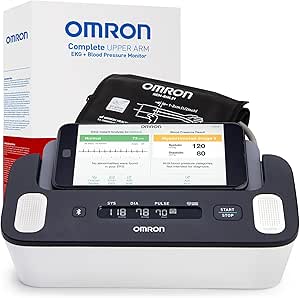
OMRON Complete 2-in-1 Upper Arm Blood Pressure Monitor with EKG

Philips Sonicare DiamondClean 9500 Electric Toothbrush, Black, with 3 Brush Heads

Garmin Forerunner 265 GPS Running Smartwatch, 46 mm, Black/Powder Gray
As an affiliate, we earn on qualifying purchases.
Why darkness and tracking solve different problems
A sleep tracking mask may block light while recording estimated patterns, but those two functions answer different needs. The light barrier can make a bright bedroom or airplane cabin darker; the tracker can give you a rough record of routines and interruptions. Neither feature guarantees that you will sleep better.
For example, if dawn slips through your curtains at 5:30 a.m., an eye mask may make it easier to stay in bed until your alarm. A tracking feature might show whether your wake time shifts across the week. But if a strap presses on your cheek or the electronics make the mask hot, the tracking can become a new source of discomfort.
Some newer designs combine light blocking with sensors that monitor sleep-related signals, and some add audio or gentle light cues. These features may support a bedtime routine for certain people. They are product features, not proof that a mask treats insomnia, sleep apnea, or another condition. Persistent symptoms deserve advice from a qualified health professional.
Try matching the tool to the obstacle. If the room is bright, test how well the mask seals around your nose. If you dislike wearing a watch overnight, a mask may feel less intrusive. If you mainly want an accurate explanation for frequent awakenings, a consumer score cannot provide that on its own.
Darkness is a feature; a score is an estimate. Judge each one by whether it helps with the problem you actually have.
Compare comfort, tracking, and privacy before you buy
The right mask depends on your main goal: blocking light, spotting routine changes, or adding features such as audio. Compare what you will wear and use through the night, rather than choosing by the number of metrics in an app. A mask that stays cool and put on your face may be more useful than one with a longer dashboard.
Picture a side sleeper who turns from one side to the other several times a night. A thick sensor near the temple may dig into the pillow, while a lower-profile shape may feel better. The same person should check eye clearance, nose-bridge leakage, strap adjustment, and whether the device shifts when they roll over. Fit is personal; a product designed for side sleeping still needs to suit your face.
Use this quick comparison when you read a product page. Details change by model, so check current specifications, phone compatibility, and subscription terms before buying.
| What to check | Why it matters | Question to ask |
|---|---|---|
| Fit and light leakage | A loose nose bridge can let in dawn light; pressure can interrupt comfort. | Does it suit your sleeping position and face? |
| Sensors and validation | Sensor types and estimates differ by product. | What does it measure, and has accuracy been independently assessed? |
| Care and battery | Electronics may add weight and complicate cleaning. | Can the electronics detach? How long does it run in real use? |
| App and privacy | Reports, syncing, and subscriptions vary. | What data is collected, shared, stored, or deletable? |
For a traveler catching a red-eye, battery runtime, charging options, and offline use may matter more than a detailed weekly graph. For someone at home who likes routine tracking, simple app summaries might be enough. Check whether basic tracking works without a phone and whether a paid plan gates the features you expect to use.
Use tracking as a trend journal, not a nightly grade
Sleep tracking is most useful for patterns over time, rather than judging a single night in isolation. A device may help you notice that your bedtime drifts later on weekends or that your recorded wake periods change when you work an early shift. It cannot reliably tell you why those changes occurred.
Try a two-week experiment. Keep your usual routine for the first week, then make one small change in the second, such as dimming bright lights before bed. Note your bedtime and how you feel in the morning alongside the mask’s estimates. If the numbers and your experience move together repeatedly, that is more useful than a dramatic score from one Tuesday.
- Check fit first. Wear the mask for a few minutes before bed. Notice heat, pressure, eye contact, and light leaking near the nose.
- Pick one question. For example: “Do I wake earlier when my bedroom is bright?” Avoid trying to solve every sleep concern with one gadget.
- Record a short trend. Compare several nights and note schedule changes, travel, or other obvious disruptions.
- Review how you feel. Treat the app as one view of the night, alongside your comfort and daytime experience.
Suppose your mask reports a restless night after a noisy hotel stay, but you feel alert the next morning. You can note the noise and move on instead of chasing the score. If readings repeatedly worry you, take a break from checking them; tracking should support your routine, not turn bedtime into a performance test.
Know when a tracking mask is not the right answer
A consumer sleep mask cannot diagnose sleep apnea or insomnia, and its app should not take the place of professional advice. A mask may record movement or estimated wake periods, but those readings do not establish the cause of a symptom. Sleep-stage estimates also vary by product and are not equivalent to a clinical sleep study.
For instance, if you often wake gasping or feel persistently exhausted during the day, a mask score cannot rule out a health issue. Bring your concerns to a qualified health professional, and describe what you experience rather than relying on a dashboard label. A sleep diary with bedtimes, wake times, and symptoms may help make that conversation more concrete.
Comfort matters too. A tight strap, warm fabric, or sensor pressure can make a mask hard to tolerate, especially if you sleep on your side. Start with a short try-on, follow the care instructions, and stop using it if it causes discomfort. Electronics and washing rules differ: some parts detach, while others need surface cleaning only.
Privacy deserves a practical check before you create an account. Find out what sleep data the company collects, where it stores the data, whether it shares data with third parties, and how you can delete or export it. If those answers are hard to find, factor that into your choice just as you would battery life or fit.
Choose a mask based on the problem you want to solve
Start with the job you need the mask to do: block a streetlight, make travel sleep more comfortable, or help you notice broad routine patterns. If darkness is the main goal, a light, washable, well-fitting basic mask may do the job without charging or an app. If you value trend data and accept approximate readings, a tracking model may be worth comparing.
A night-shift worker might prioritize a reliable blackout seal and a strap that does not snag on hair. A frequent traveler may care about a small charging cable and whether the mask can record without an internet connection. A curious data user may prefer clear explanations of what sensors estimate, plus straightforward controls for deleting stored information.
Before buying, read the current product details for phone compatibility, actual battery runtime, charging time, subscription fees, and care instructions. Check whether the mask works without a phone at bedtime and whether electronics detach for cleaning. Product claims and features change, so confirm the details for the exact model you plan to use.
- Choose comfort first if you wake from pressure, heat, or a shifting strap.
- Choose darkness first if early light or a bright room is the main disruption.
- Choose tracking cautiously if you want broad routine comparisons and can ignore imperfect nightly scores.
- Choose professional guidance if persistent symptoms are affecting your daily life.
A mask earns its place on your nightstand when you reach for it willingly. If the electronics make bedtime feel like another task, a soft, dark, uncomplicated mask may be the better fit.
Frequently Asked Questions
Do sleep tracking masks actually improve sleep?
A mask may block distracting light, which can make a dark setting easier to create, and tracking may help you notice routine patterns. Neither feature guarantees better sleep. A comfortable fit and a bedtime routine you can maintain matter more than the presence of a score.
How accurate are sleep mask stage estimates?
Accuracy varies by product, and consumer stage labels are not equivalent to a clinical sleep study. Look for independent validation and focus on broad trends across nights. If one label disagrees with how you feel, treat it as an estimate.
Can a sleep tracking mask detect sleep apnea or insomnia?
Do not rely on a consumer mask to diagnose sleep apnea, insomnia, or another condition. Its sensors cannot explain symptoms on their own. If you have persistent sleep problems or daytime exhaustion, speak with a qualified health professional.
Are sleep tracking masks comfortable for side sleepers?
It depends on the mask’s thickness, sensor placement, strap, and your sleeping position. A low-profile, contoured design may feel better for some side sleepers, but fit is personal. Try it briefly and check for pressure near your temples and nose.
Can I wash a sleep tracking mask?
Care instructions differ. Some masks have electronics that detach; others need surface cleaning and should not be submerged. Check the manufacturer’s directions before washing so you do not damage the sensors or battery.
Do these masks need an app or subscription?
Some require an app for setup or reports, and certain features may need a paid plan. Before buying, check what works without your phone, what requires a subscription, and whether the mask can record offline during travel.
Conclusion
Choose a sleep mask for the job you need it to do. If you want darkness, start with comfort and a good seal; if you want tracking, look for useful trend summaries and treat stage labels as estimates.
Let the mask be a quiet curtain over your eyes, not a judge beside your bed. The most useful reading is still how you feel when morning arrives.