
TL;DR
Smart mattresses combine features such as adjustable firmness, sensors, sleep tracking and temperature management, but no single feature set applies to every model. They may suit people who want individualized comfort, especially couples with different firmness preferences; conventional mattresses can still provide comfort and support without electronics.
A consumer guide published in a paid partnership with Sleep Number outlines how smart mattresses use adjustable air chambers, sensors and, on some models, sleep-tracking or temperature features. The guide says the technology can give sleepers more control over comfort, including separate firmness settings for couples, but features vary by model and are not necessary for everyone.

Get wellness gear delivered free with Prime
- Fast, free delivery on millions of items
- Prime Video, Amazon Music and more included
- Member-only deals all year
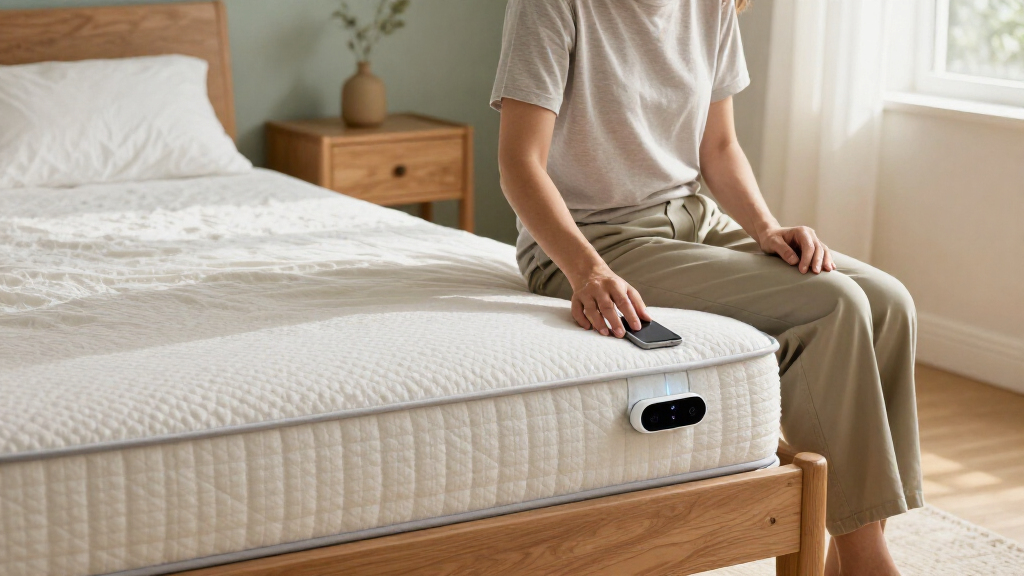
Unlike a conventional mattress, whose feel is largely set by its foam, latex or spring construction, a smart mattress may add electronic controls or sensors to adjust or monitor conditions. Some models focus on firmness; others offer sleep-related data or temperature management, and some combine several functions. There is no single feature that defines every smart mattress, so shoppers need to check what an individual product actually includes.
On models with adjustable air chambers, an electronic pump changes the amount of air beneath the comfort layers. Adding air generally firms the surface, while releasing air makes it softer. The cushioning layers still affect the overall feel, so the same setting on two different mattresses will not necessarily feel alike. Adjustments may be made through a remote or a companion app.
Some models use sensors to detect pressure changes linked to movement or position changes. Sleep Number says its Responsive Air technology monitors such changes and can make small air-pressure adjustments to help maintain a sleeper’s chosen firmness. That is different from automatically deciding on a new firmness every time a person moves. The guide says the automatic functions differ between models and manufacturers.
Smart mattresses explained Is it time to upgrade?
Smart mattresses can add adjustable firmness, sensors, sleep tracking or temperature management. Features vary by model, and conventional mattresses can still offer comfort and support.
What makes a mattress smart?
There is no standard feature set across the category.
Adjustable firmness
Some models use air chambers and a pump to make the surface firmer or softer.
Pressure responses
Some detect movement or position changes and can make small pressure adjustments.
Data or temperature
Sleep tracking and temperature management appear on some models, not all.
When adjustability may help
Independent settings can address different comfort preferences in the same household.
- Partners prefer different firmness levels.
- You want to change firmness as preferences shift.
- You are satisfied with a fixed feel.
- You do not need sensors, tracking or automatic adjustments.
What automatic adjustment means
The guide describes Responsive Air as helping maintain a chosen firmness, rather than choosing a new one whenever a sleeper moves.
Some models monitor pressure changes linked to movement or position.
An electronic pump can make small changes to help maintain the selected firmness.
Cushioning affects the feel, so the same setting can feel different across mattresses.
Check the evidence and details
The source is a paid-partnership guide and does not provide independent product testing or price comparisons.
- Confirm the exact model’s features and controls.
- Check app use and data handling.
- Compare construction and full purchase terms.
- Look for information beyond a brand-sponsored guide.
When Adjustable Comfort Helps
The clearest practical case for adjustable firmness is a household where sleepers prefer different levels of support. Some beds let each person control their own side independently, reducing the need to agree on one shared feel or buy separate mattresses. Settings can also be changed later if preferences shift, making adjustability useful for people who do not want a fixed firmness.
For other shoppers, the extra technology may add little. A conventional mattress can still provide comfort and support, and a person who is satisfied with a fixed feel may not benefit from paying for sensors, an app or automatic adjustments. Sleep tracking and temperature functions are separate features to evaluate rather than proof that every smart mattress will improve sleep.
The purchasing decision is therefore about matching features to a specific need, not choosing the most technologically complex bed. Readers should compare the mattress’s construction, the functions included, and how controls work. The source guide provides no prices or independent product testing, so it does not establish whether the added features justify any particular price premium.
Products Worth Considering

Hyperice Normatec Elite Wireless Compression Boots

Philips Sonicare DiamondClean 9300 Electric Toothbrush, 2 Brush Heads, Black

Oura Ring 4 Smart Ring, Silver, Size 8
As an affiliate, we earn on qualifying purchases.
From Fixed Feel to Electronic Controls
Mattress shopping has traditionally centered on size and feel: shoppers choose a construction and firmness, with changes often requiring a topper or a replacement. Smart models add controls, sensors or other electronics to that basic product. Their features are not standardized: adjustable firmness, automatic responses, sleep tracking and temperature management may appear alone or in combination.
The source is a consumer explainer presented as a paid partnership with Sleep Number, a company whose technology it describes. Its explanation of adjustable air chambers and Responsive Air should be read as the guide’s account, not as independent testing or evidence that all brands work the same way. The source material does not provide comparative performance data or a full assessment of competing products.
“Responsive Air technology monitors pressure changes associated with movement, position changes, and other conditions.”
— Sleep Number, as described in the paid-partnership guide
What Product Claims Do Not Show
The guide does not give price comparisons, independent test results or long-term reliability data. It does not establish how much automatic adjustments affect sleep, whether sleep-tracking information is accurate, or whether any specific model is worth its additional cost. Those points cannot be resolved from the source material.
Features and controls vary across products. The guide does not specify the full range of mattresses offering each function, how their sensors operate, or what data a companion app collects and stores. Shoppers should verify these details for the exact model they are considering rather than assume that a general description applies across the category.
What Shoppers Should Verify
Before buying, shoppers can compare the particular mattress’s construction and listed functions with their own needs: whether they want independently adjustable sides, manual firmness control, automatic responses, sleep tracking or temperature management. They should check how adjustments are made, what is included in the purchase and what the manufacturer says about app use and data handling.
Trying a mattress in person, where possible, can help assess how its comfort layers feel at the settings available. Readers should also compare the full purchase terms and seek information from sources beyond a brand-sponsored guide. No further product announcement or testing milestone is provided in the source material; the next useful development for shoppers is model-specific evidence on cost, performance and reliability.
Key Questions
What makes a mattress smart?
A smart mattress has electronic controls, sensors or related technology that may adjust firmness, respond to pressure changes, track sleep-related information or manage temperature. Features differ by model; no single function is common to every product.
Can a smart mattress change firmness?
Some models use air chambers and an electronic pump. Adding air generally makes the mattress firmer, and releasing air makes it softer. The comfort layers also affect how the mattress feels.
Do automatic adjustments choose a new firmness while I sleep?
Not necessarily. The guide says Sleep Number’s Responsive Air technology can make small pressure changes to help maintain a selected firmness as pressure conditions change. How automatic features work varies by product, so check the details for a specific model.
Are smart mattresses useful for couples?
They may be useful when partners prefer different firmness levels. Some models provide independent settings for each side, allowing each sleeper to choose a feel without requiring a shared setting.
Should I upgrade to a smart mattress?
It depends on whether the available features address a real comfort preference or need. A conventional mattress can still provide comfort and support. The source guide offers no price comparison or independent testing to show whether a particular upgrade is worth its cost.
Source: digitaltrends.com