
To stop grinding your teeth at night, focus on managing stress through relaxation techniques like deep breathing, meditation, or gentle stretches before bed. Make your sleep environment calming—keep it cool, dark, and quiet—and avoid caffeine or heavy meals close to bedtime. Using a mouthguard prescribed by your dentist can protect your teeth and remind you to relax your jaw. Addressing underlying issues like misaligned teeth or sleep problems can also help, and more tips await if you keep exploring.
Key Takeaways
- Manage stress through relaxation techniques like deep breathing, meditation, or gentle stretching before bed.
- Use a dentist-prescribed mouthguard to protect teeth and reduce jaw muscle strain during sleep.
- Create a calming sleep environment by keeping your bedroom cool, dark, and quiet, and avoid caffeine or heavy meals at night.
- Practice jaw relaxation exercises during the day to decrease muscle tension and prevent nighttime clenching.
- Address underlying issues such as misaligned teeth or sleep disorders with professional dental or medical consultation.
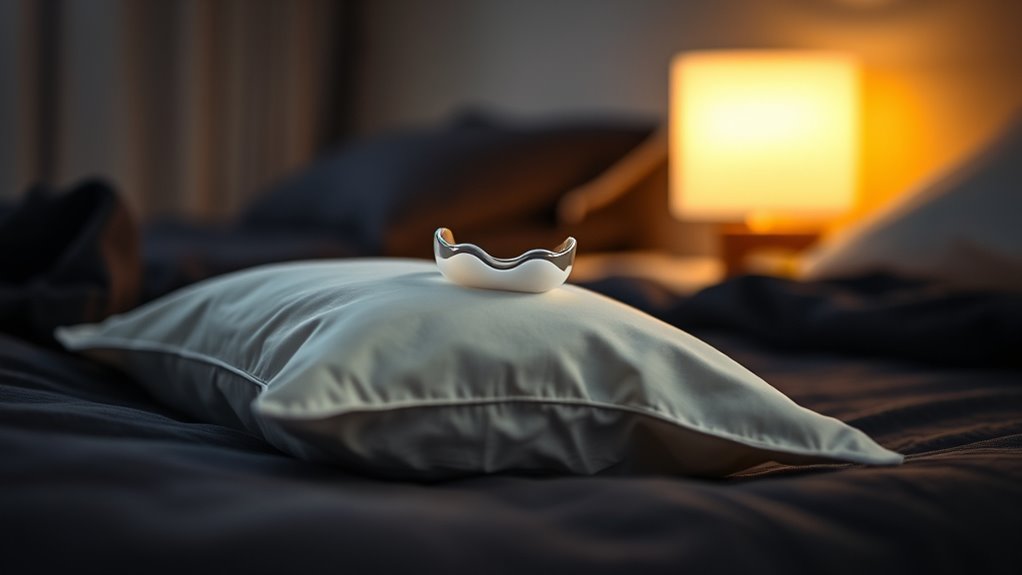
If you find yourself waking up with sore jaws or headaches, you might be grinding your teeth at night without realizing it. This habit, known as bruxism, often happens unconsciously and can lead to worn-down teeth, jaw pain, and even earaches. The first step to stopping this pattern is understanding what triggers your jaw clenching during sleep. Stress is a significant contributor; when you’re overwhelmed or anxious, your body may respond by tightening your jaw muscles as a way to cope. Managing stress effectively becomes essential in breaking the cycle of nighttime grinding.
Waking with sore jaws or headaches may indicate unconscious nighttime teeth grinding caused by stress.
To reduce jaw clenching caused by stress, consider incorporating relaxation techniques into your daily routine. Deep breathing exercises, meditation, or progressive muscle relaxation can help calm your mind and relax your jaw muscles before bed. Establishing a calming bedtime ritual signals your body that it’s time to unwind, making it easier to let go of built-up tension. You might also try gentle stretching or jaw relaxation exercises during the day to relieve muscle tightness.
Another practical step involves creating a sleep environment that promotes relaxation. Keep your bedroom cool, dark, and quiet to foster restful sleep. Avoid caffeine, alcohol, and heavy meals close to bedtime, as these can increase muscle tension or disrupt your sleep cycle, heightening the likelihood of teeth grinding. Consistent sleep schedules also help regulate your nervous system, reducing the chances of involuntary jaw clenching during the night. Recognizing the role of subconscious processes in dream symbols, such as stress or anxiety, can provide additional insight into your habits.
If stress relief techniques aren’t enough, you might consider using a mouthguard prescribed by your dentist. These custom-fit devices act as a barrier between your upper and lower teeth, preventing damage from grinding and reducing jaw muscle strain. Wearing a mouthguard can also help you become more aware of your jaw clenching habits, which is vital for making behavioral changes.
In addition to stress management and protective gear, addressing other factors like misaligned teeth or sleep disorders may be necessary. Consulting with a dental professional can help identify underlying issues contributing to your bruxism. They might recommend treatments such as orthodontics or additional therapies to improve your bite alignment.
Ultimately, stopping nighttime teeth grinding involves a combination of stress relief, behavioral adjustments, and sometimes professional intervention. By actively managing your stress levels and developing healthier sleep habits, you can reduce jaw clenching and protect your oral health. Remember, awareness is key—being mindful of your jaw tension and implementing these strategies can make a significant difference in how you sleep and feel each morning.

DenTek Professional-Fit Dental Guard, Mouth Guard for Grinding Teeth at Night, 1 Count
DenTek Professional-Fit Dental Guard fits the front and back teeth and offers custom-fit protection similar to a professionally…
As an affiliate, we earn on qualifying purchases.
As an affiliate, we earn on qualifying purchases.
Frequently Asked Questions
Can Stress Management Techniques Reduce Teeth Grinding?
Stress management techniques can definitely help reduce teeth grinding. When you practice relaxation techniques like deep breathing, meditation, or progressive muscle relaxation, you lower your stress levels, which often trigger grinding episodes. Engaging in regular stress reduction activities makes it easier to relax your jaw muscles at night. So, incorporating these techniques into your routine can be an effective way to minimize teeth grinding and improve your overall sleep quality.
Are There Specific Foods That Worsen Bruxism?
You’re right to wonder about food triggers—certain foods can be your teeth’s worst enemy. Diet impact matters, and spicy, sugary, or caffeinated foods often worsen bruxism. These foods can increase muscle tension and make grinding worse. To keep your teeth happy, cut back on these and opt for calming, tooth-friendly options. Remember, you are what you eat, so choose wisely to help reduce your nighttime grinding.
How Effective Are Mouthguards in Preventing Damage?
Mouthguard efficacy is generally high when it comes to preventing damage from teeth grinding. Wearing a mouthguard at night creates a barrier that absorbs the pressure, protecting your teeth from wear and fractures. It’s a simple, effective solution that considerably reduces damage. Be sure to get a custom-fitted mouthguard from your dentist for the best fit and comfort, ensuring you wear it consistently for ideal damage prevention.
Does Grinding Teeth at Night Cause Headaches?
Sleep struggles, especially grinding teeth at night, can definitely cause headaches. When you clench or grind, you strain your jaw muscles and put pressure on your head, leading to tension headaches. Poor sleep habits and compromised oral health often worsen this issue. Addressing these factors can ease your discomfort. Prioritize good sleep routines, consult a dentist, and consider stress relief techniques to protect your oral health and reduce headaches.
Can Medications Help Stop Nighttime Teeth Grinding?
Medications can sometimes help reduce nighttime teeth grinding, but you should be aware of potential medication side effects. Prescription options like muscle relaxants or sedatives may be recommended by your doctor to ease jaw tension and improve sleep. However, it’s vital to discuss these options thoroughly, weighing benefits against possible side effects, and explore other treatments like stress management or dental guards for more all-encompassing relief.

Gentle Jaw Pain Relief Device for Bruxism TMJ Headache Migraine Caused by Tight Jaw Muscles. Use it to Passively Stretch and Relax Your Jaw Muscles. We Call it Yoga for The Jaw
Created by a doctor who specializes in TMJ and jaw muscle pain, the gentle jaw is recommended by…
As an affiliate, we earn on qualifying purchases.
As an affiliate, we earn on qualifying purchases.
Conclusion
By taking gentle steps to protect your smile, you can enjoy restful nights and brighter mornings. Think of it as giving your teeth a well-deserved holiday from the daily grind. With a little care and some simple adjustments, you’ll find yourself waking up feeling refreshed and ready to face the day. Remember, every small effort adds up to a more peaceful, harmonious night’s sleep—your smile will thank you for it.
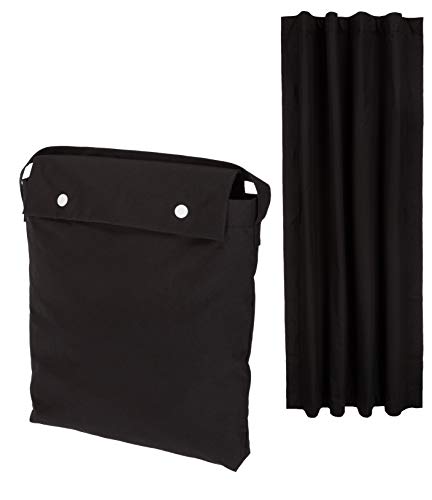
Amazon Basics Portable Blackout Curtain Shade with Suction Cups, Noise Reducing, Energy Saving, 50" W x 78"L, Black, 1-Pack
ENERGY SAVING: These blackout curtains act as an insulating barrier by blocking sunlight
As an affiliate, we earn on qualifying purchases.
As an affiliate, we earn on qualifying purchases.
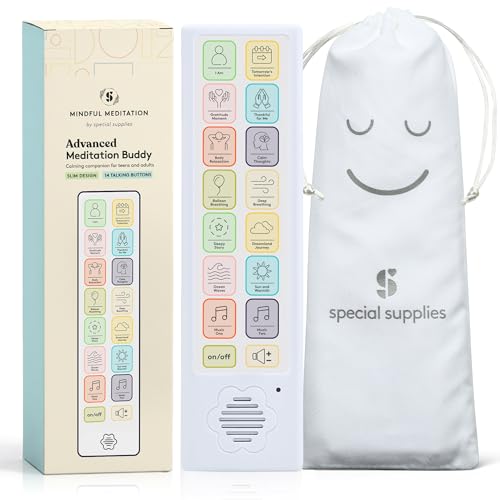
Special Supplies Meditation Buddy – Screen-Free Mindfulness & Breathing Device for Stress Relief, Daily Meditation, Anxiety Relief, Calm Focus & Emotional Balance for Kids and Adults (Adults)
Screen-Free Mindfulness Tool – Enjoy guided meditation, calm breathing, and daily mindfulness without apps, phones, or distractions. Perfect…
As an affiliate, we earn on qualifying purchases.
As an affiliate, we earn on qualifying purchases.