Your diet greatly impacts sleep quality by supporting hormones like melatonin and serotonin, which help you rest. Eating tryptophan-rich foods like turkey, nuts, and seeds can promote sleep, while processed foods, sugar, and caffeine disrupt hormone balance and delay sleep onset. Incorporate magnesium, zinc, and B vitamins to relax muscles and improve sleep. Avoid spicy or heavy meals and alcohol close to bedtime. For more tips on optimizing your diet for better sleep, learn how these choices make a difference.
Key Takeaways
- Consuming tryptophan-rich foods like turkey and nuts supports melatonin and serotonin production for better sleep.
- Magnesium, zinc, and B vitamins in foods help relax muscles and promote restful sleep.
- Avoid heavy, spicy, or large meals, especially close to bedtime, to prevent indigestion and sleep disruptions.
- Limit caffeine, alcohol, and processed foods that interfere with sleep quality and hormone balance.
- Incorporate natural sleep-promoting foods like cherries, bananas, and warm milk into evening meals for improved rest.
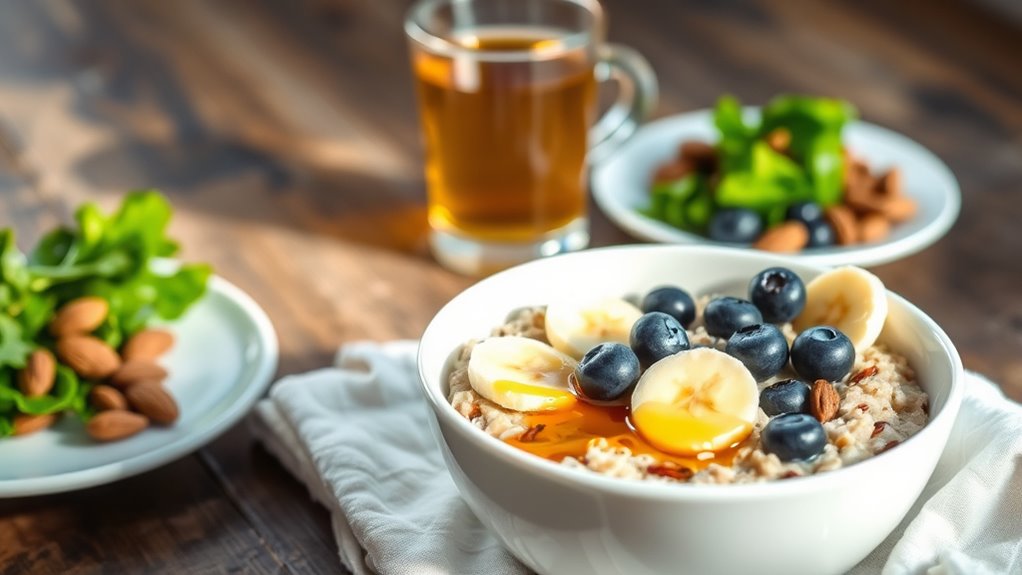
Your diet and nutrition choices play a essential role in the quality of your sleep. One of the key ways food influences sleep is through sleep hormone regulation. When you eat well, your body can produce and balance hormones like melatonin and serotonin more effectively. Melatonin, often called the sleep hormone, helps signal to your brain that it’s time to wind down and prepare for rest. Consuming foods rich in tryptophan, an amino acid precursor to serotonin and melatonin, can support this process. For example, turkey, nuts, and seeds are excellent sources. On the other hand, a diet high in processed foods, sugar, or caffeine can disrupt this delicate hormone balance, making it harder to fall asleep or stay asleep.
The impact of micronutrients on sleep is equally important. Micronutrients such as magnesium, zinc, and B vitamins play essential roles in maintaining healthy sleep cycles. Magnesium, found in leafy greens, nuts, and whole grains, is known for its calming effects on the nervous system. It helps relax muscles and reduce stress, which can make falling asleep easier. Zinc, present in meat, shellfish, and legumes, supports immune function and might influence sleep quality. B vitamins, particularly B6 and B12, are involved in neurotransmitter synthesis, which affects mood and sleep regulation. Deficiencies in these nutrients can lead to sleep disturbances, restless nights, or difficulty waking refreshed. Ensuring your diet contains a variety of micronutrient-rich foods can bolster your body’s ability to produce sleep-supportive hormones and neurotransmitters.
Conversely, certain foods and substances can hinder sleep. Heavy or spicy meals close to bedtime can cause discomfort or indigestion, making it tough to fall asleep. Alcohol, although initially sedative, disrupts sleep architecture and reduces REM sleep, leaving you feeling less rested. Caffeine, found in coffee, tea, and many sodas, blocks adenosine receptors—adenosine being a chemical that promotes sleepiness—thus delaying sleep onset and fragmenting your sleep throughout the night. To optimize your sleep, focus on incorporating sleep-promoting foods like bananas, cherries, and warm milk, which contain natural melatonin or tryptophan, and avoid stimulants and heavy meals in the hours leading up to bedtime.
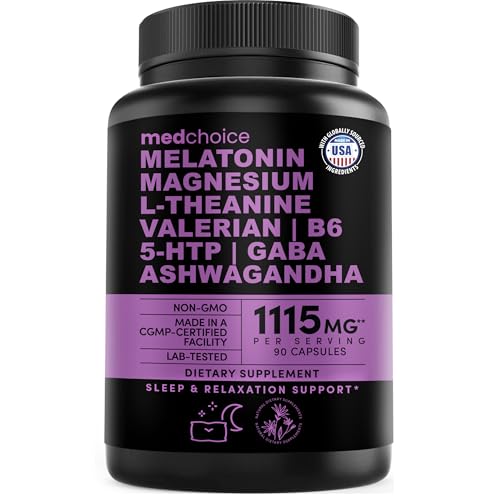
MEDCHOICE 12-in-1 Melatonin 5mg Sleep Capsules with Magnesium, 90ct
- Improved Non-Habit Forming Formula: Supports restful sleep naturally
- Powerful Ingredient Blend: Includes melatonin, magnesium, ashwagandha, and black pepper
- Calm and Relaxation Support: L-Theanine and magnesium promote calmness and relaxation
As an affiliate, we earn on qualifying purchases.
As an affiliate, we earn on qualifying purchases.
Frequently Asked Questions
Can Specific Foods Directly Cause Insomnia or Improve Sleep Quality?
Certain foods can directly cause insomnia or improve your sleep quality. If you have food sensitivities, consuming triggers like caffeine, spicy foods, or alcohol may lead to sleep disruption. Conversely, eating sleep-promoting foods rich in tryptophan, magnesium, and melatonin can enhance your rest. Be mindful of how your body reacts; avoiding problematic foods helps prevent sleep disruption and promotes more restful, uninterrupted sleep.
Are There Any Dietary Supplements Recommended for Better Sleep?
Imagine a peaceful night, where herbal remedies and melatonin supplements become your gentle guides into sleep. You might find that herbal teas like chamomile or valerian root, along with melatonin supplements, help regulate your sleep cycle. These dietary supplements can ease your progression into restful slumber, especially when stress or irregular schedules disrupt your natural rhythm. Always consult a healthcare professional before introducing new supplements to your routine.
How Does Caffeine Intake Influence Sleep Patterns?
Caffeine effects can substantially influence your sleep patterns, often leading to sleep disruption if consumed too late in the day. It blocks adenosine receptors, making you feel more alert, but also delays your sleep onset and reduces sleep quality. To avoid these issues, limit caffeine intake in the afternoon and evening. Being mindful of caffeine effects helps maintain a healthier sleep cycle and guarantees you get restful, restorative sleep.
Do Meal Timing and Size Affect Sleep Quality?
Think of your body as a finely-tuned orchestra; meal timing and size are the conductors. When you eat large meals late at night, it’s like loud drums drowning the gentle lullabies your body needs, disrupting sleep quality. Eating smaller, well-timed meals earlier helps your body wind down smoothly, like a gentle melody, ensuring restful sleep. Keep your meal timing consistent and avoid heavy dinners for peaceful, restorative slumber.
Are There Any Long-Term Health Risks From Poor Sleep Due to Diet?
Yes, poor sleep caused by diet can lead to long-term health risks. You may develop chronic health issues like cardiovascular disease, weakened immunity, and mental health problems. Additionally, disrupted sleep increases your risk of metabolic disorders such as obesity, diabetes, and insulin resistance. Over time, these problems can markedly impact your overall well-being, so prioritizing good sleep through proper diet is essential for maintaining long-term health.

Nature Made Magnesium Oxide 250 mg for Muscle Relaxation, 200 Tablets
- Product Quantity: 200 tablets for 200 days
- Supports Muscle & Nerve: Helps relax muscles and nerves
- Essential Mineral: Magnesium for body functions
As an affiliate, we earn on qualifying purchases.
As an affiliate, we earn on qualifying purchases.
Conclusion
Your diet is the key to unlocking restful sleep, like a gentle lullaby guiding you into slumber. Choose nourishing foods that act as quiet guardians of your night, and avoid those that stir the storm. With each mindful bite, you fuel your body’s harmony, weaving a tapestry of tranquility. Remember, what you eat becomes the rhythm of your nights—so nourish wisely and let your sleep blossom like a peaceful dawn.

NOW Foods Supplements, L-Tryptophan 500 mg, Encourages Positive Mood*, Supports Relaxation*, 120 Veg Capsules
- Essential Amino Acid: Must be obtained through diet or supplements
- Supports Mood and Sleep: Aids in serotonin and melatonin production
- Pure and Safe: Tested for contaminants and microbial safety
As an affiliate, we earn on qualifying purchases.
As an affiliate, we earn on qualifying purchases.

YuSleep – Natural Sleep Drops with Tart Cherry, GABA & 5-HTP – Helps Reduce 3 A.M. Wake-Ups, Calm a Racing Mind & Support Deep, Restorative Sleep – Gentle 0.9 mg Melatonin – 2 oz / 60 ml
- Reduces Nighttime Wake-Ups: Supports peaceful, uninterrupted sleep
- Promotes Deep Rest: Calms the mind for rejuvenating sleep
- Fast Absorption Technology: Helps you fall asleep quicker
As an affiliate, we earn on qualifying purchases.
As an affiliate, we earn on qualifying purchases.